ICC Chief Prosecutor Karim Khan Suspended, Rejects Disciplinary Proceedings
International Criminal Court Chief Prosecutor Karim Khan has been suspended from his duties following an investigation into sexual misconduct allegations. The ICC's Bureau of the Assembly of States Parties referred him to disciplinary proceedings before all 125 member states, who will vote on his removal. Khan rejects the suspension as unlawful and procedurally unfair, maintaining his innocence and claiming the probe is politically motivated.
The International Criminal Court's (ICC) chief prosecutor, Karim Khan, has been formally suspended from his role following an investigation into sexual misconduct allegations. The tribunal's governing body, the Bureau of the Assembly of States Parties, announced the suspension on Monday, stating it will refer Khan to disciplinary proceedings before all 125 ICC member states for a vote on his fate.

The Bureau, which serves as the executive committee of the court's oversight body, said its decision was based on a report from a United Nations investigation, advice from an ad hoc panel of judicial experts, and written submissions. However, it did not provide details about its findings, stating that "the decision of the Bureau and the related documentation will remain confidential." Importantly, the Bureau noted that "this suspension is not an indication of the final outcome."
Khan's Rejection of the Suspension
Khan's lawyers issued a statement in which he rejected the decision "in the strongest terms" and repeated his denial of any wrongdoing. They called the decision "unlawful, procedurally unfair and unsupported by evidence." According to reports from Reuters and the Associated Press, the UN probe found a "factual basis" for the allegations of sexual misconduct made by a female aide. However, a three-judge panel selected by the executive committee for a legal assessment found the investigation was not conclusive enough. Khan's lawyers had previously stated that the judges unanimously concluded that the "factual findings do not establish misconduct or breach of duty."
Context and Political Implications
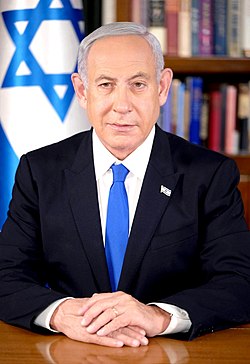
Khan has maintained that the misconduct probe is a politically motivated smear campaign. He drew significant international attention when he applied for arrest warrants against Israeli Prime Minister Benjamin Netanyahu and then-Minister of Defence Yoav Gallant for war crimes and crimes against humanity committed in Gaza, as well as warrants for Hamas leaders. He was among the first to be sanctioned by the United States, an ally of Israel, which expressed outrage over the arrest warrants.
Only the Assembly of States Parties has the authority to remove Khan from office, which would require a majority in a secret ballot of its 125 member states. Sixty-three countries would need to support a measure to remove him. No date has been set for the special session. Khan's suspension will have little practical impact on the court's functioning, given he has been on voluntary leave since last May. He has already been removed from pleading in the ICC's most high-profile current case against former Philippine President Rodrigo Duterte.