Read on bbc.com
Kenyan Protests Turn Deadly Over US Ebola Quarantine Center Plan
Two people have been shot dead during protests in Nanyuki, Kenya, against a US plan to establish an Ebola isolation center at a military base. The demonstrations reflect public anger over perceived health risks, despite Kenya having no recorded Ebola cases. The High Court has suspended the center's opening amid a legal challenge.
Plans by the United States to establish an Ebola quarantine and treatment facility at the Laikipia Airbase in central Kenya have ignited widespread public anger, culminating in violent protests in the town of Nanyuki. Demonstrations against the proposed 50-bed isolation center turned deadly last week, with local reports confirming that two people were shot and killed, though the exact circumstances of their deaths remain unclear. The incident has intensified scrutiny of the project, which is intended to treat American citizens affected by the ongoing Ebola outbreak in the Democratic Republic of Congo.

According to the BBC, hundreds of demonstrators marched through the streets of Nanyuki on Monday, blocking roads and burning tires in opposition to the US project. Police fired tear gas to disperse the crowds. One of the deceased has been identified as 27-year-old Charles Mang'aro Mwangi. His family insists he was not involved in the protests but was shot while going about his daily routine after returning from work. "He was not part of the protests. He did not carry stones and was not throwing anything at the police. He was just on the road, minding his own business when he was shot," his mother, Joyce Wangari, told the BBC. The second victim's body was brought to the hospital by soldiers, but his identity and the circumstances of his death have not been officially disclosed.
The controversy centers on the US government's plan to staff and operate the facility, citing the need for proximity to the affected region in the DRC. A US official stated that Kenya was chosen due to its geographic proximity and airport capabilities, which are considered limited in other regional hubs. The official also noted that plans included transporting Americans to the Kenyan facility by plane if necessary, while confirming that no Americans were currently scheduled for transfer. However, this explanation has done little to quell public fears. Opponents, including a local rights group and Kenya's doctors' union, argue that the center poses "grave and imminent risks" to public health, particularly concerning cross-border infection spread.
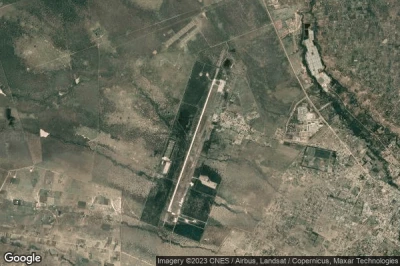
In response to the legal challenge, Kenya's High Court initially suspended the opening of the center and has since extended the order, requiring the government to disclose full details of the proposed facility. Despite the court order, reports indicate that military aircraft have been seen flying in and out of the airbase, suggesting ongoing preparations. President William Ruto defended the plan for the first time on Monday evening, framing it as a mutual agreement with a longstanding ally. "When President [Donald] Trump asked Kenya to support them by having a centre in Laikipia Airbase I gave the ok because it was an agreement with friends who have walked with Kenya for 30, 40 years," he said. He urged Kenyans not to politicize the matter and affirmed the government's responsibility, stating, "We know what we are doing." Despite these reassurances, the demonstrations and the tragic loss of life highlight a significant rift between government intentions and public sentiment regarding the project's potential health safety implications.