Read on France 24
Iran Halts Attacks on Israel as Regional Tensions Remain High
Iran's military has announced a cessation of offensive operations against Israel, signaling a potential de-escalation following the most serious direct confrontation between the two adversaries since the April truce. However, tensions persist as Israeli leaders vow to continue their military campaign in Lebanon against Hezbollah, and US President Donald Trump warns Prime Minister Benjamin Netanyahu against a broader war. This article examines the key developments, the roles of major players, and the fragile state of regional security.
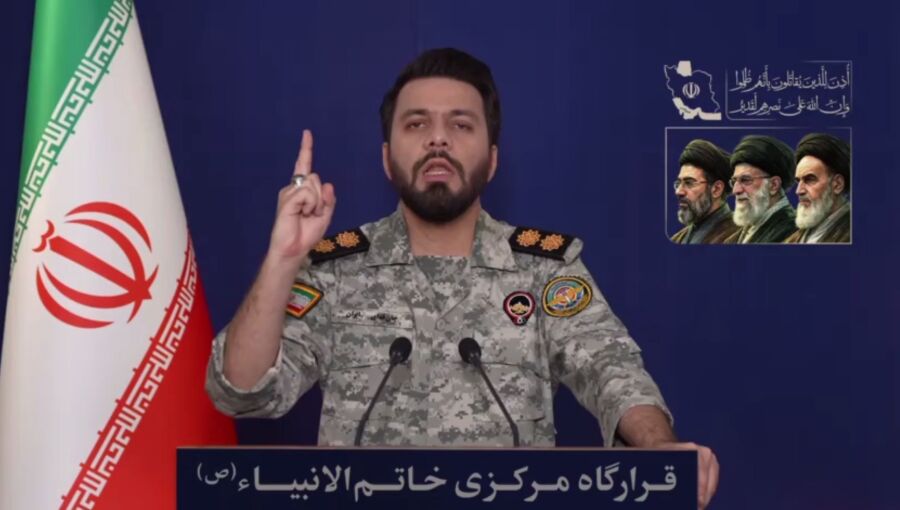
A significant development unfolded on June 8, 2026, when Iran's military command announced a halt to its offensive operations against Israel. This decision came in the wake of an exchange of fire that marked the most serious confrontation between the two nations since the fragile ceasefire took effect in April. The Iranian military's joint command stated it was ceasing its attacks unless "aggression and hostility" continued, particularly in southern Lebanon. This move has introduced a complex dynamic into an already volatile regional situation, raising questions about the durability of the current calm.
Israel's response to the Iranian announcement has been measured but firm. Prime Minister Benjamin Netanyahu declared in a televised statement that Israel's strikes on Iran had successfully deterred the Islamic republic, leading to the current cessation of hostilities. "At this moment, the fire on that front is contained -- after we struck the terror regime in Tehran, it stopped attacking us," Netanyahu said. However, he issued a stark warning, stating that should Iran "make the mistake of resuming attacks against us, we will respond with full force." This declaration underscores Israel's stated right to self-defence, a principle Netanyahu reportedly reaffirmed in a conversation with US President Donald Trump.
The Role of the United States
The United States has played a central role in managing the crisis. President Trump, who has publicly cautioned Prime Minister Netanyahu against escalating the conflict with Iran, reportedly warned the Israeli leader that he might find himself "fighting alone" if he returned to war. The White House confirmed that Trump called Netanyahu on Monday to discuss the clashes. The US leader also posted on his Truth Social network, calling for an immediate halt to the shooting. Beyond diplomatic pressure, the US military took direct action, with a warplane firing on and disabling an oil tanker in the Gulf of Oman for violating Washington's blockade of Iran's ports.

The Situation in Lebanon
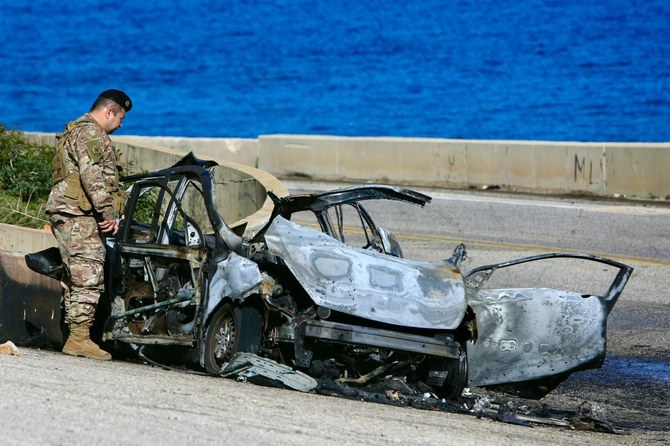
While the direct Iran-Israel front appears to have quieted, the situation in Lebanon remains a major flashpoint. Israeli Defence Minister Israel Katz has vowed to press on with the military campaign against Hezbollah, rejecting Iranian threats of a "severe" response. "The IDF will continue to operate in Lebanon against the terrorist organisation Hezbollah," Katz said in a statement, adding that Israel would strike Beirut's southern suburbs in retaliation for every attack on northern Israel. This resolve has led to continued bloodshed, with an Israeli strike on the southern city of Tyre killing five people, including four Red Cross paramedics. Another dawn strike in the town of Zifta killed seven people, including a child. These strikes have occurred even as Iran warned against them, with Katz declaring, "We categorically reject Iran's threats."
In a rare public appeal, Lebanese President Joseph Aoun urged the Israeli government to pursue talks rather than war. In an interview with CNN, Aoun argued that a military solution "will never provide you with security and safety" for the people in northern Israel. He expressed a willingness to negotiate, stating, "We are ready, we are willing, we are committed. Are you? If you are, let's sit and talk." Aoun clarified that he would not meet Netanyahu before a non-aggression pact to end the war is reached.

Regional and International Reactions
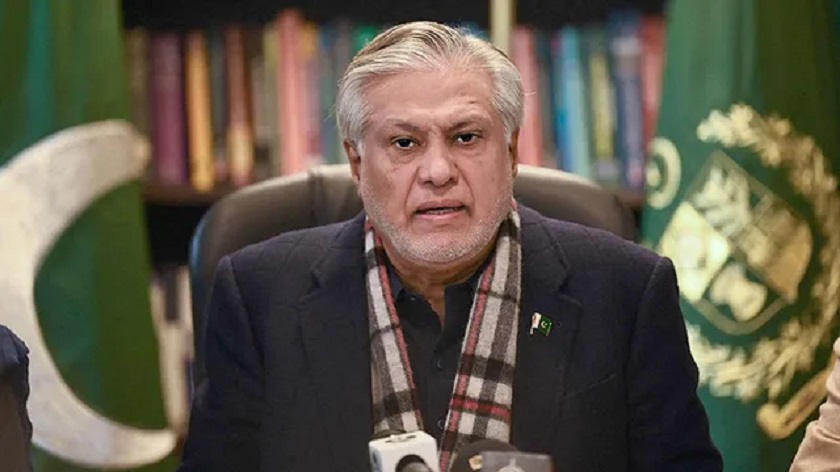
The crisis has drawn reactions from various international players. Pakistani Prime Minister Shehbaz Sharif said that the final objective in the peace negotiations between Iran and the US is "just about to be achieved," urging all sides to exercise restraint. Meanwhile, Iran's top negotiator, Mohammad Baqer Qalibaf, has projected defiance, stating that Tehran will turn the US naval blockade into another defeat for the "enemy." He added, "We are not going to either just fight or just negotiate; rather, we are going to fight at our own time and negotiate at our own time."
Conclusion
The announcement by Iran to halt its attacks on Israel offers a tentative step back from the brink of a full-scale regional war. However, the situation remains precarious. Israel's determination to continue operations in Lebanon, coupled with US efforts to contain the conflict and the underlying distrust between the parties, means the potential for renewed hostilities remains high. The coming days will be critical in determining whether diplomatic channels can solidify this fragile calm or whether the region will slide back into a cycle of escalating violence. For now, the world watches as these key players navigate a complex web of threats, deterrence, and diplomacy.