Read on France 24
ICC Judges Rule Former Philippine President Duterte Fit for Pre-Trial Proceedings
The International Criminal Court has determined that former Philippine President Rodrigo Duterte, 80, is mentally fit to participate in pre-trial proceedings, rejecting defense claims of cognitive decline. Judges cited an independent medical report finding Duterte capable of understanding and participating in his case, setting a confirmation of charges hearing for February 23. The decision represents a significant development in the case involving allegations of murder as a crime against humanity during Duterte's controversial war on drugs, which reportedly claimed thousands of lives.
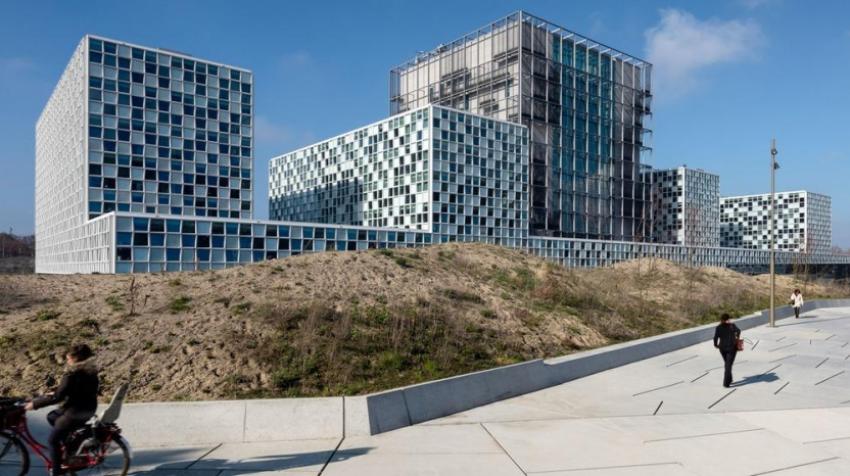
The International Criminal Court has delivered a pivotal ruling in the case against former Philippine President Rodrigo Duterte, determining that the 80-year-old leader is mentally competent to participate in pre-trial proceedings. This decision, announced on January 27, 2026, rejects defense arguments that Duterte suffers from cognitive decline that would prevent him from standing trial. The court has scheduled a confirmation of charges hearing for February 23, moving the high-profile case forward despite defense objections.

Court's Rationale and Medical Assessment
Judges based their decision on a report by independent medical experts who examined Duterte's mental capacity. According to the court's statement, the experts found that Duterte "would be able to understand and participate in his case." The judges clarified that for someone to be deemed fit for proceedings, they need only have a broad understanding of the procedures, not necessarily operate at their highest cognitive level. This standard reflects established legal principles in international justice systems.
The court explicitly stated: "The Chamber is satisfied, in law, that Mr Duterte is able effectively to exercise his procedural rights and is therefore fit to take part in the pre-trial proceedings." This ruling aligns with the ICC's historical approach—the court has never found a suspect wholly unfit to stand trial, despite petitions from several other defendants over the years, including elderly individuals.
Defense Response and Legal Challenges
Duterte's defense team, led by counsel Nicholas Kaufman, expressed disappointment with the ruling. In a statement, Kaufman argued that the defense was denied the opportunity to present its own medical evidence and to question the findings in court. The defense plans to seek leave to appeal the decision, claiming that Duterte was "denied due process" in the assessment of his fitness for trial.
Background of the Case and Allegations
Rodrigo Duterte served as president of the Philippines from 2016 to 2022 and was arrested and transferred to The Hague in March of last year. According to ICC prosecutors, Duterte created, funded, and armed death squads during his administration's war on drugs. The prosecution seeks to charge him with three counts of murder as a crime against humanity involving more than 75 specific victims.
Official Philippine police records indicate that 6,200 suspects were killed during anti-drug operations under Duterte's presidency. However, human rights activists and the ICC prosecutor have suggested the actual death toll was significantly higher, with estimates reaching as many as 30,000 fatalities. Duterte has consistently defended the crackdown, maintaining that he instructed police to kill only in self-defense and expressing willingness to "rot in jail" if it meant eliminating illicit drugs from the Philippines.
Next Steps in the Legal Process
The confirmation of charges hearing scheduled for February 23 represents a critical phase in the ICC process. During this hearing, judges will evaluate whether there is sufficient evidence to proceed to a full trial. Under the ICC system, prosecutors must present their case for judicial confirmation before the matter can advance to trial proceedings. This intermediate step ensures that cases meet established legal thresholds before consuming significant court resources.
The upcoming hearing will focus specifically on the three murder charges as crimes against humanity. Prosecutors will need to demonstrate that the alleged crimes were part of a widespread or systematic attack directed against a civilian population, meeting the legal definition of crimes against humanity under the Rome Statute.
International Legal Implications
This case carries significant implications for international justice, particularly regarding the prosecution of former heads of state. The ICC's determination that Duterte is fit for trial reinforces the principle that age and health considerations, while relevant, do not automatically exempt individuals from accountability for alleged international crimes. The court's approach balances humanitarian concerns with the imperative of justice for victims of serious crimes.
The proceedings also highlight the complex relationship between the Philippines and the International Criminal Court. The Philippines withdrew from the Rome Statute in 2019 during Duterte's presidency, but the ICC maintains jurisdiction over crimes alleged to have occurred before the withdrawal took effect. This jurisdictional question adds another layer of complexity to an already contentious case.

Conclusion
The ICC's ruling represents a significant milestone in the legal proceedings against former Philippine President Rodrigo Duterte. By affirming his fitness for trial, the court has cleared the way for the confirmation of charges hearing scheduled for February 23. This development moves the international community closer to a judicial determination regarding allegations of crimes against humanity during Duterte's controversial war on drugs. As the case progresses, it will continue to test the mechanisms of international justice and their application to former national leaders accused of serious human rights violations.