Read on PBS News
US and Iran Close In on Formal Ceasefire Agreement at G7 Summit
The United States and Iran appear closer to solidifying their shaky ceasefire after both sides electronically signed a memorandum of understanding aimed at ending the ongoing conflict. The deal was a central focus at the G7 summit in France, where President Trump joined other world leaders to herald the progress. Key details, including the full text of the agreement and specific terms regarding Iranian assets and the situation in Lebanon, remain under negotiation ahead of an official signing ceremony scheduled for later this week. The potential deal promises to reopen the Strait of Hormuz and de-escalate tensions, but significant questions persist about its implementation and broader regional impact.
The United States and Iran appear closer to extending their fragile ceasefire, following an electronic signing of a memorandum of understanding aimed at ending the war. The breakthrough was a central theme at the G7 summit in France, where President Trump joined other world leaders to discuss the path forward. However, several key questions remain unresolved ahead of the formal signing ceremony scheduled for later this week.

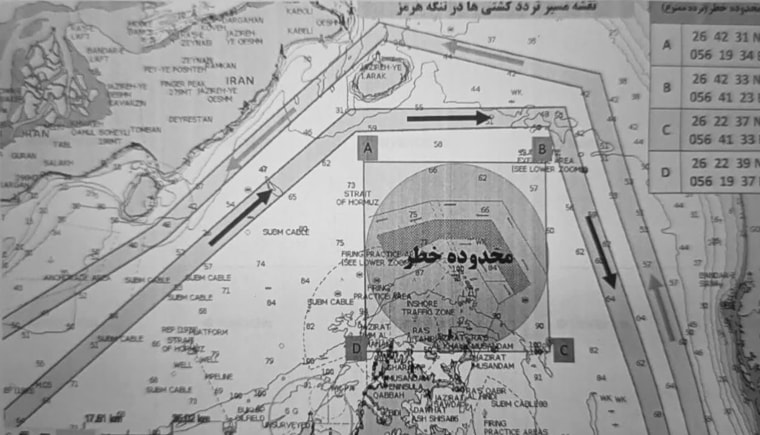
President Trump arrived in the French alpine town of Evian for the annual G7 summit, where he hailed the weekend ceasefire deal as a major step forward. Speaking alongside French President Emmanuel Macron, Trump stated, "The deal's all signed, and the Strait is already partially open." He emphasized that the agreement ensures "Iran will not have a nuclear weapon," a point he stressed as the primary objective of the conflict. The Strait of Hormuz, a critical waterway for global oil transit, has been a major flashpoint.
World leaders at the G7 expressed cautious optimism about the accord, which was brokered by Pakistan and Qatar. While the full text of the memorandum has not been released, a senior U.S. official indicated it would be made public within 24 to 48 hours. The agreement is expected to bring shipping through the Strait of Hormuz back to pre-war levels, prioritizing heavy tankers carrying oil and gas. However, a U.S. military advisory to merchant ships warned the blockade will remain in place "pending execution of the deal."
Key Terms and Remaining Questions

Iranian officials have emphasized additional terms beyond the immediate ceasefire. A spokesperson for Iran's foreign ministry stated that the release of Iran's foreign assets and compensation for damages are critical economic matters that the American side has committed to addressing. Conversely, Vice President J.D. Vance reiterated on CBS that Iran will only receive its side of the deal, including a $300 billion reconstruction fund, if they fully cooperate. A senior U.S. official clarified that the amount of Iranian assets unfrozen remains at zero for now.
Regional Stability and Hezbollah
The situation in Lebanon adds another layer of complexity. Iran states the memorandum calls for respect of Lebanon's sovereignty. Despite this, Israel launched a drone strike in Lebanon following the announcement, and Israel's defense minister confirmed the military would not withdraw from seized land. A senior U.S. official stated that an Israeli withdrawal from Lebanon is not a condition of the U.S.-Iran agreement, and that Iran must control the militant group Hezbollah. Israeli Prime Minister Benjamin Netanyahu emphasized the need for continued vigilance and self-defense.
Looking Ahead
The formal signing ceremony, expected to include Vice President J.D. Vance, Jared Kushner, and Steve Witkoff alongside Iranian officials, is scheduled for Friday. The U.S. military will maintain its current presence in the region, including around 50,000 personnel, with hopes for a drawdown later. The uncertainty surrounding the deal is underscored by conflicting timelines for the release of the memorandum's text—the president said Friday, while senior officials suggested 24 to 48 hours. The coming days will be critical in determining whether this electronic handshake can translate into a lasting peace.