Mass Return to Southern Lebanon Follows US-Iran Agreement
Thousands of displaced Lebanese people began returning to southern Lebanon on Monday, June 15, 2026, following a landmark US-Iran agreement that ended nearly four months of war. The mass movement saw long convoys of vehicles carrying families and their belongings heading south, marking a significant humanitarian and political development. This article analyzes the context of the return, the role of the US-Iran deal in ending hostilities, and the early challenges facing returnees as they rebuild their lives in conflict-affected areas.
On Monday, June 15, 2026, a dramatic mass movement unfolded in Lebanon as thousands of displaced citizens began returning to their homes in the country's southern regions. This exodus follows a pivotal US-Iran agreement that brought an end to nearly four months of devastating war. Long lines of vehicles, packed with families and their belongings, stretched along the highways heading south, symbolizing both relief and the daunting task of rebuilding.

Background of the Conflict
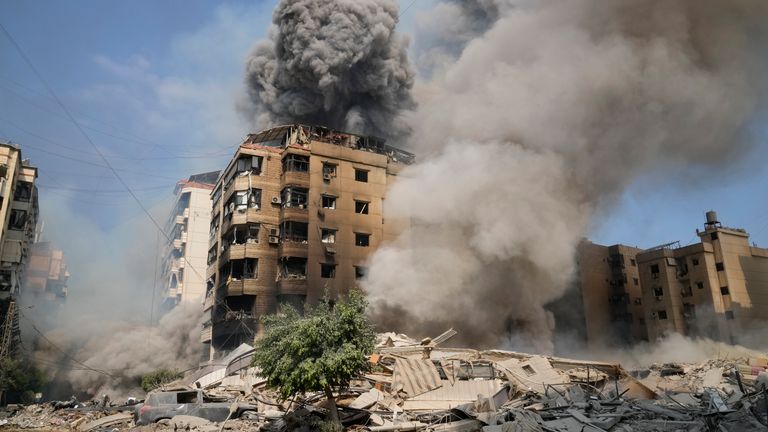
The war that erupted in early 2026 between Hezbollah and Israeli forces had displaced hundreds of thousands of civilians from southern Lebanon, turning the region into a ghost town. The conflict, fueled by regional tensions and proxy dynamics, caused widespread destruction of infrastructure, homes, and livelihoods. International efforts to broker a ceasefire had repeatedly failed until the unexpected US-Iran agreement provided a breakthrough.
The US-Iran Agreement
The agreement, brokered through backchannel diplomacy, effectively ended the war by establishing a framework for de-escalation and the withdrawal of foreign-backed forces from southern Lebanon. While the exact terms remain confidential, analysts suggest the deal included commitments to halt arms flows and enforce a buffer zone, allowing for the safe return of civilians.
Immediate Impact on Displaced Populations
Within hours of the announcement, spontaneous celebrations erupted among displaced families in temporary shelters across Beirut and northern Lebanon. Many had been living in overcrowded schools, warehouses, and makeshift camps for months. The decision to return, however, was not without hesitation, as concerns about unexploded ordnance and the complete destruction of homes lingered.

Challenges Facing Returnees
Despite the optimism, returnees face formidable challenges. Many homes in villages like Bint Jbeil, Marjayoun, and Khiam have been reduced to rubble. Basic services—electricity, water, and healthcare—are severely disrupted. The Lebanese government, already crippled by economic collapse, lacks the resources to provide immediate aid. International organizations, including the UN and the Red Cross, have begun to mobilize emergency relief, but the scale of need is immense.
Humanitarian Response
Aid agencies are rushing to set up mobile clinics and distribute food and clean water to returnees. The focus is on preventing a secondary public health crisis in areas where sanitation systems have been destroyed. Mine clearance teams are also being deployed to identify and neutralize unexploded ordnance, a persistent danger on roads and farmland.

Political and Regional Implications
The return of civilians is a powerful symbol that the US-Iran agreement is holding, at least in its early stages. For Lebanon, the return marks the beginning of a long and uncertain recovery. The political landscape remains deeply fractured, with Hezbollah asserting its military dominance while the state struggles to assert its authority. Regionally, the deal has been cautiously welcomed by Gulf states and European powers, though Israel has expressed deep skepticism about the long-term durability of the ceasefire.
Conclusion
The mass return to southern Lebanon on June 15, 2026, is a moment of profound human relief but also a stark reminder of the cost of war. The US-Iran agreement has opened a window for peace, but the path ahead is fraught with obstacles. The international community must now step up with robust support for reconstruction and reconciliation to ensure that the ceasefire leads to a lasting resolution, rather than a temporary pause. The world watches as southern Lebanon begins to rebuild—one family, one home, one village at a time.