Read on bbc.com
US Vice President Vance Details Preliminary Iran Deal Framework
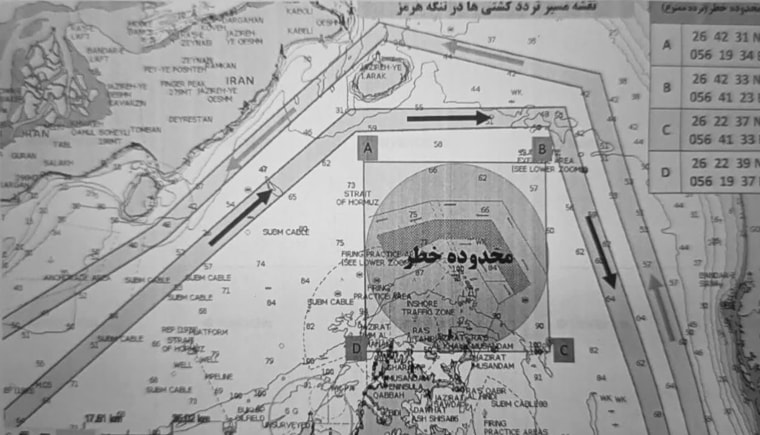
US Vice President JD Vance has outlined the details of a preliminary agreement between the United States and Iran, describing it as a one-and-a-half-page memorandum of understanding (MOU) that is intentionally general in nature. The framework, which President Trump confirmed is signed electronically by himself, Vance, and Iranian Parliament Speaker Mohammad Bagher Ghalibaf, sets the stage for more detailed technical negotiations on key issues such as Iran's nuclear program and regional stability. The deal includes provisions for the reopening of the Strait of Hormuz, a 60-day ceasefire extension, and commitments from Iran to pursue regional peace and verifiably refrain from building nuclear weapons. This initial agreement represents a significant diplomatic step, though many specifics about sanctions relief and asset releases will be determined in future talks, which are expected to commence this week. The announcement comes as world leaders gather at the G7 summit in France for a special session on Iran.
US Vice President JD Vance has provided significant new details about a preliminary agreement between the United States and Iran, characterizing it as a broad framework that will require extensive follow-up negotiations. In recent interviews, Vance described the memorandum of understanding (MOU) as "about a page and a half" and "very general," emphasizing that many crucial specifics will be determined during the upcoming technical negotiation phase. President Donald Trump has confirmed that the deal is signed, stating during talks with French President Emmanuel Macron at the G7 summit that "the deal is all signed." The preliminary agreement has been electronically signed by Trump, Vance, and Iranian Parliament Speaker Mohammad Bagher Ghalibaf, with formal ceremonies expected in Geneva this Friday.
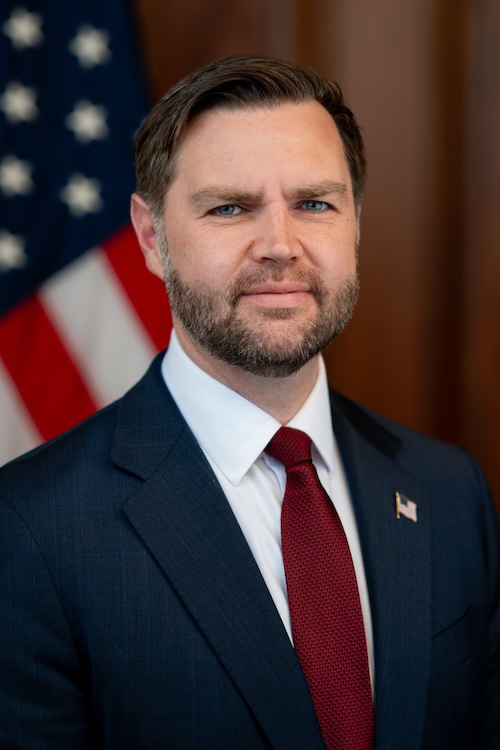
According to Vance, the framework's "paragraph one" outlines Iran's commitment to "regional peace and stability," a pledge that includes stopping the funding of what he described as "terrorist organisations." Most critically, Vance stressed that Iran will have a "verifiable commitment to not building a nuclear weapon." These broad commitments are designed to create a structure where Iran receives benefits only after meeting its obligations. Vance explained to CNN that the MOU establishes a framework "whereby the Iranians get the benefits of the bargain by meeting their obligations under the bargain," signaling a performance-based approach to the agreement.
Key Elements of the Preliminary Agreement
The preliminary deal includes several immediate and tangible actions. President Trump has ordered the removal of the US naval blockade of Iranian ports, and the strategic Strait of Hormuz is expected to reopen this Friday, coinciding with the formal signing in Geneva. Trump has claimed on social media that "ships are starting to move, many loaded up with Oil, out of the Strait of Hormuz." The agreement also extends the current ceasefire for an additional 60 days, providing a window for the sides to negotiate the details of a final, comprehensive accord. Pakistan's Prime Minister Shehbaz Sharif, whose nation helped mediate the breakthrough, announced the deal includes "the immediate and permanent termination of military operations on all fronts, including in Lebanon."
Regional and International Reactions
The announcement has prompted a range of reactions from key stakeholders. Israeli Prime Minister Benjamin Netanyahu stated that Israeli forces would remain in security zones in Lebanon, Syria, and Gaza "as long as necessary" and retain the right to self-defense, while also asserting that Iran would not be allowed to obtain nuclear weapons with or without a deal. Meanwhile, Lebanese President Joseph Aoun welcomed the announcement, expressing hope that the understandings would translate into "practical steps that will put a definitive end to the cycle of violence." Iran's deputy foreign minister Kazem Gharibabadi confirmed the end of military operations on Iranian state TV, though Iran's foreign ministry also expressed "deep mistrust" of the US, characterizing the agreement as "merely a step towards reducing tensions."
The deal's impact on the wider region is already being felt. The G7 summit in France is set to host a special session on Iran, attended by the leaders of Egypt, Qatar, and the United Arab Emirates. G7 allies, particularly the UK and France, which have led plans for a defensive mission to protect vessels in the Strait of Hormuz, will be eager to discuss the implications. Trump has indicated he does not believe the US will "need much help" in ensuring free passage but acknowledged it is not "a bad idea to have a ship or two" from other countries in the strategic waterway.
Future Negotiations and Unresolved Issues
The preliminary nature of the MOU means that many of the most contentious issues remain to be addressed. Technical talks on Iran's nuclear program are expected to begin this week. Key past sticking points include Iran's nuclear enrichment activities, Western insistence that Iran not possess a nuclear weapon, and Iran's demand for comprehensive sanctions relief and access to tens of billions of dollars in frozen oil revenues. Vance has confirmed that any sanctions relief or release of assets will depend on Iran meeting its commitments under the deal, with details to be worked out during the technical negotiation phase. The coming 60-day period will be critical in determining whether this broad framework can lead to a lasting and comprehensive resolution.
As the world watches the developments, the preliminary agreement represents a significant diplomatic milestone. President Trump has indicated he may release the full text of the deal before Friday, signaling a move toward transparency. The success of this framework will ultimately depend on the ability of both sides to navigate the complex technical negotiations ahead and transform these general commitments into a verifiable and sustainable peace.