Read on France 24
7.8 Magnitude Earthquake Strikes Philippines: At Least 31 Dead
A powerful 7.8 magnitude earthquake struck the Philippines on June 8, 2026, killing at least 31 people. The quake, the strongest to hit the country this year, was centered at sea near the southern port city of General Santos. Rescue and recovery operations are underway in the hardest-hit areas of Mindanao.
A devastating earthquake measuring 7.8 on the Richter scale struck the Philippines on June 8, 2026, claiming the lives of at least 31 people and causing widespread destruction. The quake, which was the most powerful to hit the country this year, was centered at sea approximately 33 kilometers deep, with the southern port city of General Santos in Mindanao among the hardest hit areas. According to reports from France 24, the earthquake triggered significant structural damage, including collapsed buildings, and prompted urgent rescue and relief efforts across the affected region.
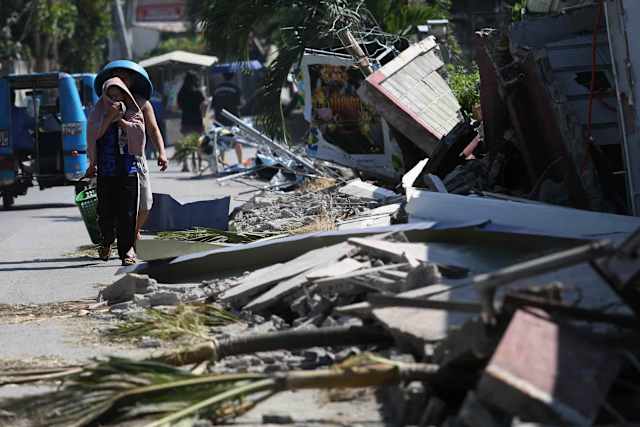
Impact and Response
The earthquake struck on June 8, causing immediate panic and destruction in coastal communities. General Santos, a key port and economic hub in the southern Philippines, experienced some of the most severe damage, with multiple buildings collapsing and infrastructure compromised. Rescue teams have been deployed to search for survivors amid the rubble, while local hospitals are treating hundreds of injured individuals. The Philippine government has declared a state of calamity in the hardest-hit areas to facilitate faster relief operations and resource mobilization.
Seismic Context
Earthquakes are a common occurrence in the Philippines due to its location along the Pacific Ring of Fire, a region known for intense seismic and volcanic activity. The 7.8 magnitude quake is the strongest recorded in the country this year, surpassing previous tremors in both intensity and impact. The depth of 33 kilometers, classified as shallow, contributed to the severe surface shaking that led to building collapses and casualties. Seismologists continue to monitor for aftershocks, which pose additional risks to already weakened structures and rescue operations.

Emergency and Recovery
Emergency response teams are working around the clock to provide medical aid, food, and shelter to displaced residents. The Philippine military and coast guard have been mobilized to assist in search-and-rescue missions, particularly in coastal areas where the earthquake may have triggered localized tsunamis. International organizations and neighboring countries have offered support, though local authorities are currently leading the response. The full extent of the damage is still being assessed, but early estimates suggest that thousands of homes and businesses have been affected.
As the nation mourns the loss of life, the focus remains on saving as many people as possible and addressing the immediate needs of survivors. The government has urged residents in affected areas to remain vigilant for aftershocks and to follow safety instructions from local officials. This disaster underscores the ongoing vulnerability of the Philippines to natural hazards and the critical importance of disaster preparedness and resilient infrastructure.