Read on the Guardian
Kākāpō Cam: How a Live Stream of the World's Rarest Parrot Captivated a Global Audience
A live-streaming camera in a remote New Zealand nest, known as 'kākāpō cam,' has attracted over 100,000 viewers worldwide, offering an intimate look at the life of the critically endangered kākāpō parrot. The stream follows a mother named Rakiura as she cares for her chick, providing a rare glimpse into the behavior of the world's only flightless and nocturnal parrot. This phenomenon highlights a unique intersection of conservation, technology, and public engagement, offering a hopeful distraction and fostering a global community invested in the survival of one of the planet's most unusual birds.
In an era of digital saturation, a simple black-and-white live stream from a remote island in New Zealand has emerged as an unlikely source of global fascination and solace. Dubbed the 'kākāpō cam,' this hidden camera provides a 24/7 window into the underground nest of Rakiura, a critically endangered kākāpō parrot, as she tends to her newly hatched chick. With over 100,000 people tuning in from countries like the United Kingdom, Finland, and Germany, this conservation effort has transcended its scientific purpose, becoming a viral sensation that connects a worldwide audience to the fragile life of one of Earth's rarest birds.
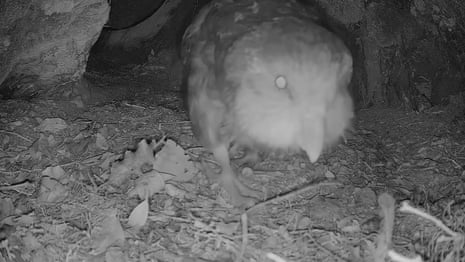
The stream captures the mundane and magical moments of avian motherhood: the chick's kazoo-like squeaks as it jostles for food, Rakiura's protective wing sheltering her offspring, and her diligent nest-tidying. For many viewers, this access offers a peaceful respite. As one participant in the attached chat forum noted, the site is a 'lovely distraction from all the terrible things happening in the world.' Another expressed profound emotion, writing, 'Oh my goodness. I just teared up a little knowing how fragile this species is.' This emotional investment underscores a powerful public desire to connect with and protect the natural world.
The Kākāpō: A Parrot Unlike Any Other
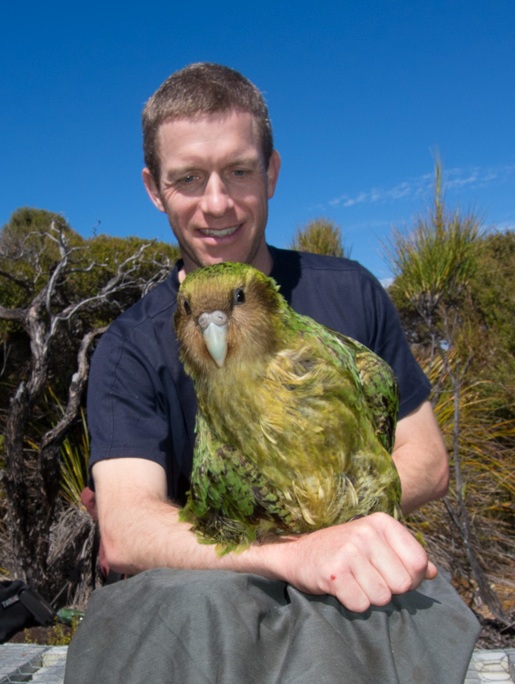
The subject of this intense scrutiny is a truly unique creature. The kākāpō holds several singular titles: it is the world's heaviest parrot, the only nocturnal parrot, and the only flightless parrot. With a distinctive, 'gentlemanly' face and peculiar mating rituals, its oddities are a significant part of its appeal. However, these traits also made it exceptionally vulnerable. Once abundant across New Zealand, the kākāpō population was decimated following the introduction of mammalian predators like cats and stoats. By the 1990s, the species was teetering on the brink of extinction with just 51 known individuals.
Conservation at a Turning Point
The live stream is not merely entertainment; it is a front-row seat to a critical conservation success story. A dedicated recovery program, established in 1995, has painstakingly rebuilt the population to 236 birds. The current breeding season, triggered by a mass fruiting of the native rimu tree, represents a potential milestone. With 78 nests, 247 eggs laid, and 57 chicks hatched so far, scientists are hopeful for a record number of offspring. Dr. Andrew Digby, the Department of Conservation's science adviser for kākāpō, has stated this season signifies a 'turning point' from intensive individual recovery to broader population recovery.
The Department of Conservation team monitors nests closely, sometimes moving eggs or tiny chicks between mothers to optimize survival chances. The chicks, which start as 'little fluffy things like balls of cotton wool,' rapidly grow into awkward, 'gangly' juveniles with oversized feet, requiring vast amounts of food. The live stream serves a dual purpose: it is an educational tool for the conservation team and a conduit for public engagement. Digby notes the fascination of seeing the public become as invested in the chicks' daily weight gains and development as the scientists themselves.
The Power of Digital Connection to Wildlife
The success of the kākāpō cam demonstrates a potent model for modern conservation. By leveraging simple technology, conservationists can foster a deep, emotional connection between a global audience and a species they may never see in person. This connection builds a constituency for wildlife, translating viewership into support and awareness. The chat forum buzzes with name suggestions for chicks, congratulations for the mother, and shared wonder, creating a community united by concern for these rare birds. In providing a direct, unfiltered look into the nest, the project makes the abstract mission of 'species recovery' tangible, immediate, and deeply personal.

Ultimately, the story of the kākāpō cam is one of hope. It showcases how perseverance in conservation can yield results and how technology can bridge the gap between remote wild places and the human heart. As viewers watch Rakiura's dedicated care, they are not just observing a bird; they are witnessing the fragile, ongoing work of preserving a unique thread in the tapestry of global biodiversity. The stream validates the sentiment of one viewer who wrote that 'fighting for the beautiful and wonderful things on this planet is never pointless or a waste of time.' In a world often dominated by bleak headlines, the kākāpō cam offers a compelling, feathery testament to why that fight matters.