South Africa Deploys Army in Johannesburg to Combat Crime and Gang Violence
South Africa has initiated a significant military deployment in Johannesburg, with soldiers patrolling the streets of high-crime suburbs like Eldorado Park and Riverlea. This action follows President Cyril Ramaphosa's declaration that organized crime poses the most immediate threat to the nation's democracy and economic development. The deployment, part of a broader national plan, aims to assist police in tackling gang violence and illegal mining, though it has sparked debate about its effectiveness and political motivations.
In a decisive move to address soaring crime rates, the South African government has deployed soldiers to the streets of Johannesburg, marking a significant escalation in the state's response to organized crime and gang violence. This military intervention, which saw troops touch down in working-class suburbs, comes nearly a month after President Cyril Ramaphosa identified criminal syndicates as the foremost threat to the country's democratic and economic stability. The deployment signals a shift towards more assertive security measures in a nation grappling with pervasive violence.

The Scope and Rationale of the Military Deployment
President Ramaphosa formally authorized the deployment in a notice to parliament, outlining an initial commitment of 550 soldiers in Gauteng province, which includes Johannesburg. This contingent is tasked with supporting the South African Police Service (SAPS) in operations against gang violence and illegal mining, with the initial phase scheduled to last until the end of April 2026. The decision was publicly announced during the President's annual State of the Nation address on February 12, where he framed organized crime not merely as a law-and-order issue but as an existential danger to South Africa's future.
The government's plan extends beyond Gauteng. According to details submitted to parliament, a wider national deployment is planned across five of South Africa's nine provinces. The strategy is geographically targeted: focusing on illegal mining operations in Gauteng, North West, and Free State provinces, and concentrating on gang violence in the Western Cape and Eastern Cape. Some aspects of this national deployment are projected to last for more than a year, indicating a sustained rather than temporary security operation.
On-the-Ground Reality in Johannesburg
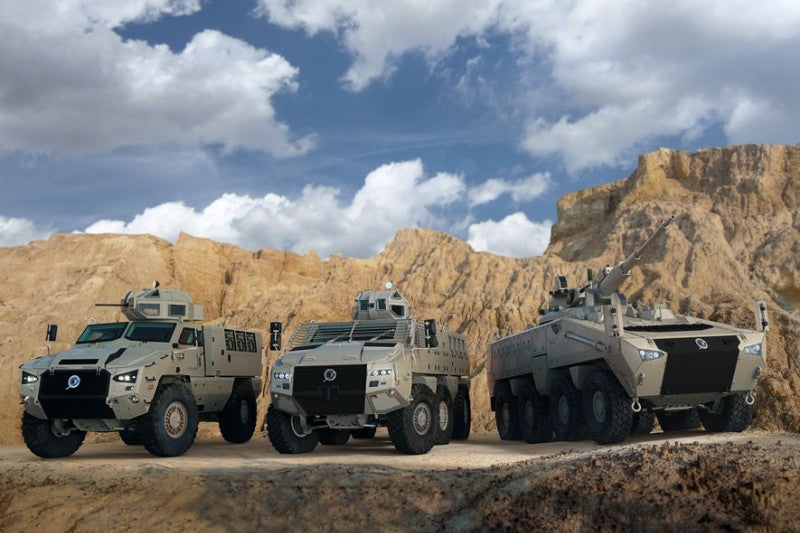
The deployment became a visible reality on the streets of Eldorado Park and Riverlea, suburbs notorious for high levels of crime. Local media captured images of armoured vehicles rolling into these areas, with soldiers conducting door-to-door searches. The presence of the military has received a mixed reception. Some local officials, like councillor Juwairiya Kaldine, have publicly welcomed the soldiers' arrival, viewing it as necessary intervention in communities long plagued by violence.
However, the national police service and the Department of Defence have been circumspect, not immediately providing extensive operational details to the public. This has left room for speculation and concern about the rules of engagement and the long-term strategy for the military's role in domestic policing—a function typically reserved for civilian law enforcement.
Context: South Africa's Crime Epidemic
This military action unfolds against a backdrop of alarmingly high violent crime rates. Recent police statistics are stark: from October to December 2025, South Africa recorded 6,351 homicides. This translates to an average of nearly 70 murders per day in a country of approximately 63 million people. Such figures underscore the scale of the challenge and provide the grim context justifying what President Ramaphosa has termed an extraordinary measure.
The prevalence of illegal mining, particularly of abandoned gold and diamond shafts, and entrenched gang networks, especially in areas like the Cape Flats, have created complex security challenges that often overwhelm local police capacities. These criminal enterprises are deeply intertwined with social issues like poverty and unemployment, making them difficult to dismantle through conventional policing alone.
Criticism and Political Dimensions
Not all community members or analysts view the deployment positively. In the Cape Flats area of the Western Cape, a region earmarked for future military deployment, residents and experts have expressed skepticism. Critics argue that deploying soldiers addresses symptoms rather than root causes, such as systemic poverty, lack of opportunity, and failing social services that drive recruitment into gangs.

Irvin Kinnes, an associate professor at the University of Cape Town’s Centre for Criminology, characterized the move as "political" in an interview with Al Jazeera. He suggested the deployment is more about demonstrating governmental responsiveness to public anxiety over crime than a community-driven solution. "It's to show that the political leaders have kind of heard the public," Kinnes stated. "But the call for the army hasn't come from the community. It's come from politicians." This perspective highlights a critical tension between immediate security actions and the need for long-term, holistic social interventions.
Conclusion: A Nation at a Crossroads
The deployment of the South African National Defence Force in Johannesburg represents a pivotal moment in the country's fight against crime. It is a bold acknowledgment by the state that conventional policing methods are insufficient to curb the violence threatening its social fabric and economic prospects. While the military presence may provide temporary relief and a show of force in targeted areas, its long-term success is uncertain. The ultimate test will be whether this security-focused approach is coupled with substantive efforts to address the underlying socioeconomic drivers of crime. As soldiers patrol the streets, South Africa confronts not only its criminal elements but also deeper questions about governance, inequality, and the path to a safer, more stable future.