Read on the Guardian
UK Court Rules Against Rwanda in £100m Asylum Scheme Dispute
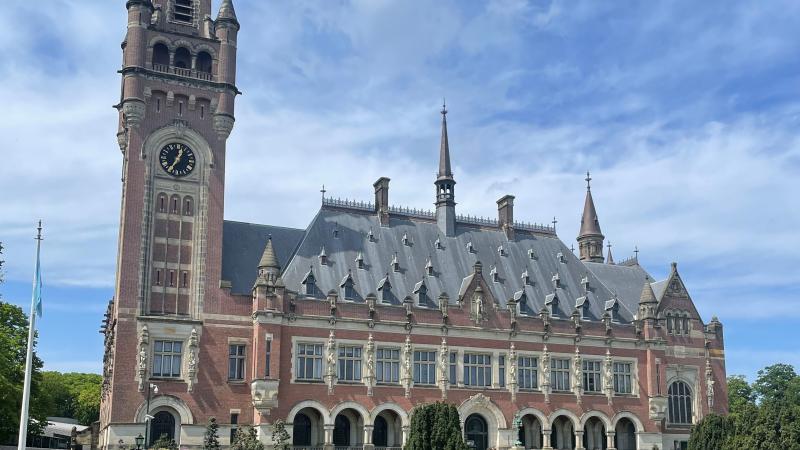
An international court at The Hague has ruled that the United Kingdom is not liable to pay Rwanda over £100 million in compensation for scrapping the controversial migrant deportation scheme. The scheme, originally brokered by former Prime Minister Boris Johnson in 2022, was cancelled by the Labour government on its first day in office in July 2024. Rwanda had sued the UK for breach of agreement, claiming outstanding annual payments and compensation. However, the Permanent Court of Arbitration rejected the claims, stating the UK acted within its rights. The ruling marks a decisive legal victory for the UK government, which had argued it was logical for the new administration to abandon the policy. The failed scheme had cost UK taxpayers nearly £700 million, with only four people voluntarily relocated to Rwanda.
An international court at The Hague has ruled that the United Kingdom will not have to pay Rwanda millions of pounds over a failed migrant deportation scheme. The east African nation had sued the current UK government for more than £100m, alleging a breach of agreement after Labour scrapped the policy on its first day in office.
The scheme, originally brokered by former Prime Minister Boris Johnson in 2022, aimed to send all asylum seekers arriving in the UK after dangerous or illegal journeys to Rwanda. However, the policy faced immediate legal and political obstacles, culminating in the UK Supreme Court ruling it illegal. When Keir Starmer became prime minister in July 2024, he declared the plan dead and buried on his first full day in office, dismissing it as a gimmick.
The Legal Dispute
Following the cancellation, Rwanda initiated legal proceedings at the Permanent Court of Arbitration in the Netherlands. The country argued that the UK had breached the bilateral agreement and sought payment of two outstanding annual instalments of £50m each, plus £6m in compensation and interest. Alternatively, Rwanda indicated it would accept a formal apology from the UK.
Lawyers representing the UK government countered that it was entirely logical for the new Labour administration to scrap the plan, describing it as simple common sense that no further payments would be due. They maintained that Rwanda was not entitled to any of the forms of relief it sought.

Emmanuel Ugirashebuja, Rwanda's Minister of Justice and Attorney General, told the court that his country had incurred significant costs preparing for the partnership and that the UK had sought to walk away from its legal obligations. He also noted that the UK had not done Rwanda the courtesy of informing it in advance about the cancellation, with leaders left to read about the development in the media.
Court Ruling and Implications
After a three-day hearing, the arbitration court rejected by majority a £50m claim for one year and unanimously rejected the same amount for the second. A UK government spokesperson said the tribunal had ruled in favour of the UK on all grounds.
During the two years before the scheme was scrapped, only four people actually went to Rwanda, all voluntarily. The UK government website states that about £290m has been paid to Rwanda, while the previous Conservative administration had already spent approximately £700m on the policy overall. The scheme had been designed to deter migrants from crossing the English Channel in small boats.
Broader Context
The two nations are already in dispute after the UK slashed aid to Rwanda, accusing it of supporting M23 rebels in the neighbouring Democratic Republic of the Congo. This ruling adds another layer of complexity to the bilateral relationship.

For the UK government, the decision provides a clear legal endorsement of its policy change and removes the threat of a substantial financial penalty. It also reinforces the position that successive governments are not automatically bound by international agreements entered into by their predecessors, particularly when those agreements face fundamental legal challenges.