Breakthrough Drug Daraxonrasib Nearly Doubles Survival in Pancreatic Cancer
A groundbreaking new drug called daraxonrasib has achieved what was once thought impossible: successfully targeting the 'undruggable' KRAS mutation that drives over 90% of pancreatic cancers. In a landmark Phase 3 clinical trial presented in May 2026, the treatment nearly doubled overall survival for patients with metastatic pancreatic cancer from 6.7 months to 13.2 months and reduced the risk of death by 60%. This article explores how daraxonrasib works, its innovative mechanism of action that bypasses the smooth surface of KRAS, the trial results, common side effects, and the path toward FDA approval. The development marks a seismic shift in pancreatic cancer treatment, offering new hope for one of the most lethal cancers.
For decades, pancreatic cancer has been one of the most lethal cancers, with few effective treatment options. A new drug, daraxonrasib, targets the KRAS mutation that fuels most pancreatic tumors—something many scientists once thought couldn't be done. In a major clinical trial, the treatment nearly doubled survival for patients with advanced disease and reduced the risk of death by 60%. This breakthrough represents a seismic shift in the fight against a cancer that has historically been considered nearly untouchable.
The Legacy of Pancreatic Cancer's Lethality
Pancreatic cancer has long been one of the most formidable challenges in oncology. For patients diagnosed with metastatic pancreatic cancer between 2015 and 2021, approximately 97% died within five years of diagnosis. This stark statistic underscores the urgent need for more effective therapies. The cancer's deadliness stems in part from the lack of effective screening tests and its tendency to remain asymptomatic in early stages. By the time patients experience noticeable signs—such as jaundice, a yellowing of the skin, or abdominal pain—the cancer has often already spread to other organs, making curative treatment exceedingly difficult.
The 'Undruggable' KRAS Target
More than 90% of pancreatic tumors are driven by mutations in a gene called KRAS. This gene codes for proteins that act as switches, turning cell growth on and off in a healthy cell. However, when the KRAS gene is mutated, this switch becomes permanently stuck in the "on" position, commanding cancer cells to multiply endlessly. For decades, scientists considered KRAS to be "undruggable" because the surface of its protein is exceptionally smooth, lacking the molecular pockets that standard drugs require to bind to and turn the switch off. This structural challenge meant that existing drugs could not precisely target the root cause of the disease, and treatment relied primarily on chemotherapy—a blunt instrument that kills rapidly dividing cells but also causes significant collateral damage to healthy tissues.

How Daraxonrasib Works
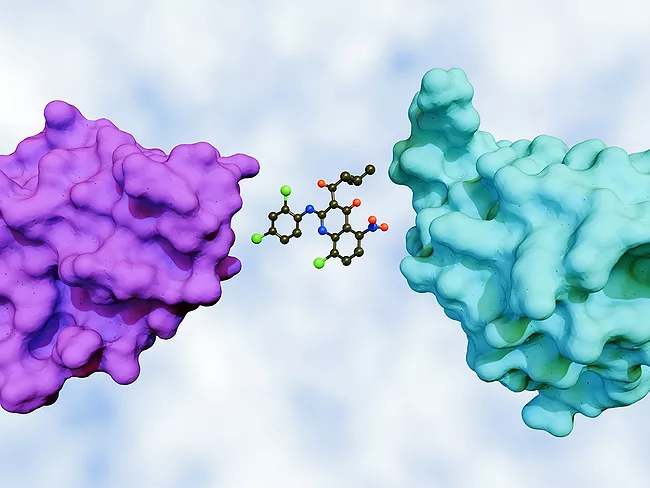
Daraxonrasib represents a novel and elegant solution to the KRAS problem. Unlike traditional drugs that attempt to bind directly to the KRAS protein, daraxonrasib attaches to a molecule called cyclophilin A inside cells. Cyclophilin A is involved in helping proteins fold into their correct three-dimensional shapes. The daraxonrasib-cyclophilin A complex is then able to bind to the active KRAS protein and effectively shut down its ability to signal cancer cells to multiply. This innovative mechanism bypasses the smooth surface barrier that made KRAS "undruggable" and provides a highly specific targeted therapy. The drug is taken daily by mouth, offering a convenient oral administration route for patients.
Landmark Clinical Trial Results
The efficacy of daraxonrasib was demonstrated in a Phase 3 clinical trial involving 500 patients with metastatic pancreatic cancer who had received prior treatment. The results, presented on May 31, 2026, by Revolution Medicines, the company developing the drug, were nothing short of transformative. Compared to standard chemotherapy, daraxonrasib nearly doubled overall survival, extending it from 6.7 months to 13.2 months after diagnosis. Perhaps even more striking, the treatment reduced the risk of death by 60% overall. These results represent a dramatic improvement in a disease area where progress has been measured in mere weeks for decades.
Side Effects and Quality of Life
While the survival benefits are remarkable, daraxonrasib is not without side effects. The most common adverse effect is a prominent skin rash, which affected more than 86% of patients in the study. Patients also frequently experienced stomatitis—painful swelling and sores inside the mouth—as well as diarrhea, nausea, and vomiting. However, an important finding from the trial is that patients taking daraxonrasib were far less likely to stop treatment due to severe side effects compared to those receiving chemotherapy. Additionally, patients reported improved quality of life with reduced pain, highlighting the drug's potential to offer not just longer life but also a better quality of life during treatment.
The Path to Clinical Availability
The immediate next step after the presentation of trial data is regulatory review. Revolution Medicines will use these findings to seek formal approval from the U.S. Food and Drug Administration (FDA) and other global regulatory bodies. Given the notoriously difficult nature of advanced pancreatic cancer and the significant survival benefit demonstrated, breakthrough therapies like daraxonrasib are often granted expedited or priority review. The timeline for when the drug will become available to patients depends on the review process, but should the drug obtain approval, it could be available in clinics within months. This rapid pathway would bring a much-needed new option to patients who currently have very few.
Implications for the Future of Pancreatic Cancer Treatment
By successfully targeting the specific genetic mutation that drives the vast majority of pancreatic cancers, researchers have demonstrated that this "undruggable" disease is treatable with targeted therapy. This milestone represents a likely shift in the treatment landscape. The broader field of drug development is now poised to explore combination therapies pairing KRAS inhibitors like daraxonrasib with other drugs to prevent tumors from developing resistance. There is also potential for using these inhibitors in earlier stages of the disease, or in combination with other modalities such as immunotherapy. Should daraxonrasib succeed in gaining approval and in further studies, it could help set the stage for more precise, personalized, and effective treatments for pancreatic cancer in the years to come.
Conclusion
The development of daraxonrasib marks a watershed moment in oncology, proving that even the most challenging molecular targets can be conquered with innovative science. For patients with pancreatic cancer and their families, this breakthrough offers something that has been in short supply: genuine hope. The nearly doubled survival time and 60% reduction in risk of death represent meaningful progress against a disease that has resisted decades of research. As the drug moves toward regulatory approval and eventually clinical practice, the focus will now shift to ensuring that this treatment reaches those who need it most. The era of targeted therapy for pancreatic cancer has finally arrived.