Read on Nature
GPR15-Guided CD8+ T Regulatory Cells: A New Frontier in Controlling Intestinal Inflammation
Inflammatory bowel disease (IBD) is a chronic condition affecting millions worldwide, yet its underlying mechanisms remain incompletely understood. Recent research published in *Nature* reveals a groundbreaking discovery: a specialized subset of immune cells called CD8+ TIGR (GPR15-guided regulatory CD8+ T lymphocytes) that play a critical role in controlling intestinal inflammation. These cells utilize the GPR15 receptor to home to the gut mucosa, where they suppress inflammatory macrophages through Fas ligand and TWEAK signaling. The study demonstrates that harmful mutations in the GPR15 gene are linked to severe early-onset IBD, while reduced CD8+ TIGR cells are observed in sporadic IBD patients. This article explores the findings, the biology of GPR15, and the potential therapeutic implications for treating IBD.
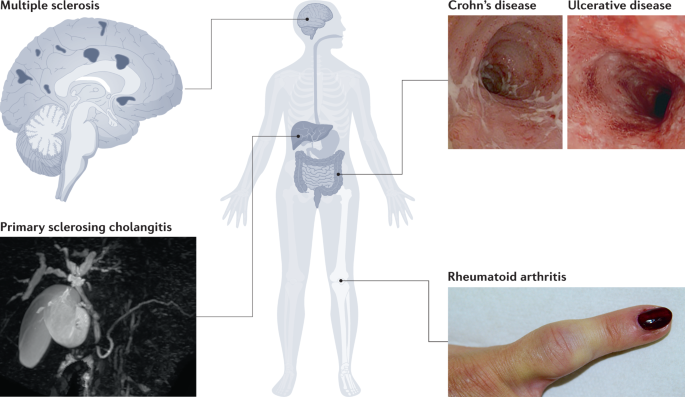
Inflammatory bowel disease (IBD), encompassing conditions like Crohn's disease and ulcerative colitis, affects millions of people globally, causing chronic inflammation, pain, and an increased risk of colon cancer. Despite significant advances in treatment, the exact causes of IBD remain elusive for many patients. A recent landmark study published in Nature has shed new light on a critical immune mechanism: the role of GPR15, a G protein-coupled receptor (GPCR), in guiding a specialized subset of regulatory CD8+ T cells to the gut, where they control inflammation. This discovery not only deepens our understanding of intestinal immune regulation but also opens promising avenues for new therapeutic strategies.
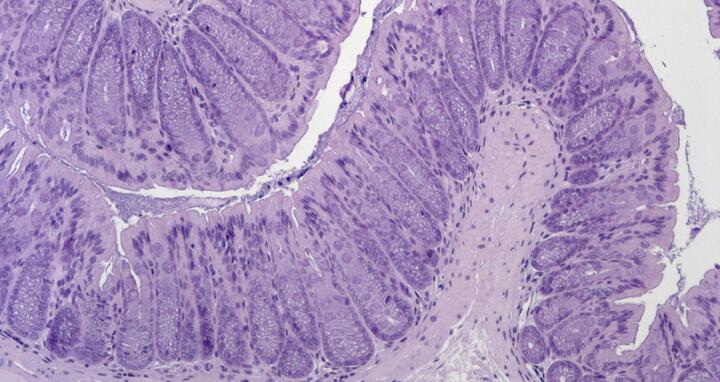
IBD is a complex disease driven by an altered immune response to intestinal microbiota in genetically susceptible individuals. Current treatments, including biologics and immunosuppressants, are not always effective and can have significant side effects. The identification of specific cell types that regulate inflammation is crucial for developing more targeted therapies. The new study, led by researchers at the National Institutes of Health (NIH) and other institutions, identifies a unique population of CD8+ T cells that express GPR15, which are essential for maintaining immune balance in the gut.
The GPR15 Receptor and CD8+ TIGR Cells
GPR15 is a G protein-coupled receptor that was previously known primarily as a co-factor for the entry of human and simian immunodeficiency viruses. However, this study reveals a completely different and vital physiological role for GPR15 in the immune system. The researchers discovered that GPR15 acts as a homing receptor for a specific subset of regulatory CD8+ T cells, which they named CD8+ TIGR (GPR15-guided regulatory CD8+ T lymphocytes).
Homing to the Intestinal Mucosa
The key function of CD8+ TIGR cells is their ability to travel specifically to the intestinal mucosa. GPR15 on the surface of these cells interacts with its ligand (GPR15L) expressed in the gut, directing them to the site where they are needed. Without this receptor, the cells cannot effectively reach the intestinal lining to perform their regulatory role. The study showed that in mice, GPR15 deficiency led to impaired homing of CD8+ TIGR cells to the colon, resulting in an accumulation of inflammatory macrophages and heightened susceptibility to colitis, a model of IBD.
Mechanisms of Immune Regulation
Once in the gut, CD8+ TIGR cells potently suppress inflammation by killing activated macrophages. Macrophages are immune cells that, when overactivated, can cause significant tissue damage in IBD. The study identified two key molecules used by CD8+ TIGR cells to eliminate these harmful macrophages: Fas ligand (FasL) and TNF-related weak inducer of apoptosis (TWEAK). By expressing FasL and TWEAK, CD8+ TIGR cells induce apoptosis (programmed cell death) in inflammatory macrophages, thereby reducing the inflammatory cascade that characterizes IBD.

Human Relevance: Genetic Variants and IBD
The most compelling evidence for the importance of CD8+ TIGR cells in humans comes from genetic analysis. The researchers identified deleterious GPR15 gene variants in patients suffering from severe early-onset IBD. These mutations caused defective homing of CD8+ TIGR cells to the gut. Furthermore, the study observed that the number of CD8+ TIGR cells was significantly reduced in the intestinal mucosa of patients with sporadic (non-hereditary) IBD. This suggests that both genetic defects and acquired deficiencies in this cell population can contribute to disease.
Therapeutic Implications
The discovery of CD8+ TIGR cells opens up several exciting possibilities for treating IBD. One potential therapeutic approach is the adoptive transfer of GPR15-guided CD8+ TIGR cells. This involves isolating a patient's own CD8+ T cells, engineering them to express GPR15 if necessary, expanding them in the lab, and then infusing them back into the patient to replenish the regulatory cell population in the gut. Another strategy could be to develop drugs that enhance the function or survival of endogenous CD8+ TIGR cells, or that mimic their suppressive effects on macrophages.
The identification of CD8+ TIGR cells yields new insights into organ-specific immune regulation and potential therapeutics for IBD.
Conclusion
The research published in Nature represents a major step forward in our understanding of how the body controls inflammation in the gut. By identifying GPR15 as a critical homing receptor for a previously unrecognized population of regulatory CD8+ T cells, scientists have uncovered a key mechanism of immune balance that, when disrupted, leads to IBD. This breakthrough not only provides a new framework for understanding the disease but also offers a promising target for developing more specific and effective treatments for millions of people suffering from IBD. The study, available in Nature, highlights the power of basic science in revealing novel pathways that can directly translate into clinical applications.