Read on the Guardian
WHO Puts Ebola Outbreak Death Rate at 'Huge' 30-50% as Chief Arrives in DRC
The World Health Organization has revised the death rate of the Ebola outbreak in the Democratic Republic of the Congo to between 30% and 50%, as Director-General Tedros Adhanom Ghebreyesus arrives in the country to lead containment efforts. Learn about the severity of the outbreak, the challenges posed by armed conflict in the region, and the global response to this public health emergency.
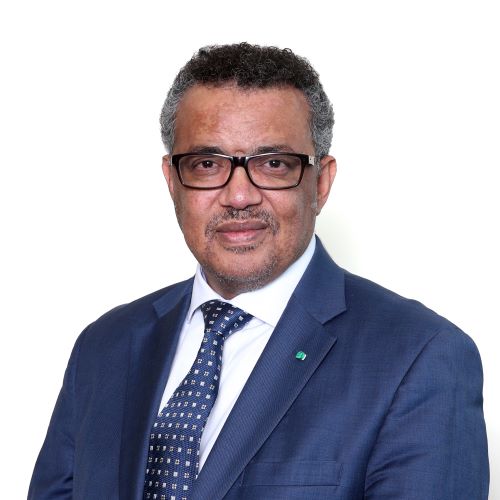
The World Health Organization (WHO) has issued a stark warning regarding the ongoing Ebola outbreak in the Democratic Republic of the Congo (DRC), announcing a revised death rate between 30% and 50% among confirmed cases. The declaration came as the WHO's Director-General, Tedros Adhanom Ghebreyesus, arrived in the country to bolster containment efforts. This updated statistic underscores the extreme lethality of the current outbreak, with Anaïs Legand from the WHO’s high threat pathogens team describing it as “huge,” meaning that up to five out of ten infected individuals are likely to die.

Current Scale and Fatality of the Outbreak
The WHO has recorded 10 confirmed and 223 suspected Ebola deaths in the DRC since the outbreak was officially declared on 15 May 2026. The total number of confirmed and suspected cases has now surpassed 1,000. The actual scale of the epidemic may be significantly larger, as health officials believe the virus circulated undetected for some time before the outbreak was officially recognized. This is the 17th recorded Ebola epidemic in the vast central African nation, which has a population of over 100 million. Historically, the disease's death rate across all outbreaks has averaged 50%.
Complicating Factors on the Ground
The outbreak is centered in the mineral-rich Ituri province, a region heavily contested by various armed groups. This conflict poses a major barrier to effective relief efforts. Tedros made a direct appeal to all warring parties, stating, “Conflict and displacement make everything harder. I am making a direct appeal to all warring parties in this region: please declare a ceasefire. No cause, no conflict, no grievance is worth condemning innocent people to death from a preventable disease.” This instability has already driven more than 245,000 people to flee eastern DRC to neighboring countries since January 2025, according to the UN refugee agency. The presence of groups like the Rwanda-backed M23, which controls parts of the North and South Kivu provinces, further complicates access for health workers.
Global Response and Border Measures
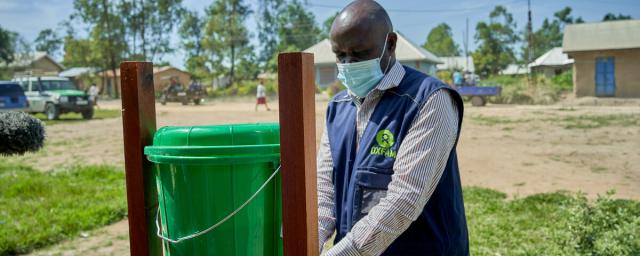
In response to the crisis, neighboring Uganda announced it would immediately close its border with the DRC after recording one Ebola death and eight additional cases. However, the WHO has cautioned that such border closures can be counterproductive, as they may drive up informal crossings and make it more difficult to monitor and contain the disease. Meanwhile, the United States has pledged $112 million to the regional response and committed an additional $13.5 million toward Kenya’s Ebola preparedness efforts. The US also planned to establish a 50-bed quarantine and treatment facility at a Kenyan air force base for affected US citizens, a decision that faced legal challenges from a Kenyan rights group. The group’s lawsuit argued that the plan raises concerns regarding the rights to life and health.
Treatment and Vaccine Development
Currently, there is no approved treatment specifically for the Bundibugyo strain of Ebola responsible for this outbreak. The WHO’s advisory groups have recommended moving forward with clinical trials for both vaccines and treatments. The head of the African Union’s health agency, Jean Kaseya, indicated that a vaccine could potentially be ready by the end of 2026. Despite the challenges, the WHO reported the first confirmed recovery of a patient, who was discharged from a health center after two negative tests on 27 May. As Tedros assured Congolese citizens, “Together, we will overcome this outbreak,” the international community remains focused on containing the virus and preventing a wider catastrophe.