Cancer Cells Evade Immune Detection by Stealing Mitochondria: A New Frontier in Oncology
Recent research reveals a startling mechanism where cancer cells hijack mitochondria from immune cells to avoid detection and spread through the body. This mitochondrial transfer weakens immune defenses while activating pathways that help cancer cells survive in lymph nodes—areas packed with immune cells that should destroy them. The discovery, published in Cell Metabolism, could explain how cancers metastasize and survive in hostile environments, potentially opening new avenues for therapeutic interventions targeting this cellular theft.
Cancer's ability to evade the immune system represents one of the greatest challenges in oncology. Recent groundbreaking research has uncovered a sophisticated survival strategy: cancer cells literally steal cellular power plants from immune cells to remain hidden and spread throughout the body. This discovery, detailed in a recent Cell Metabolism paper, reveals how mitochondrial transfer between cells enables cancers to survive in lymph nodes—areas densely populated with immune cells that should eliminate them.

The Mechanism of Mitochondrial Theft
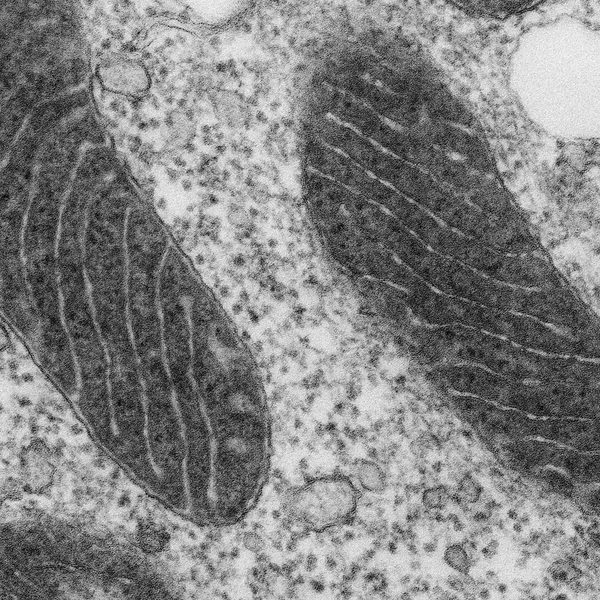
Mitochondria are often called the powerhouses of the cell, responsible for producing the energy-carrying molecule ATP through cellular respiration. Researchers discovered that cancer cells can acquire these organelles from immune cells through a process called mitochondrial transfer. When cancer cells take on these stolen mitochondria, two critical changes occur simultaneously: the immune cells become weakened, and the cancer cells activate molecular pathways that help them avoid immune detection.
Remarkably, this beneficial molecular pathway in cancer cells was activated even when researchers disrupted the mitochondria's ability to produce ATP. This suggests that the mitochondria serve functions beyond energy production in this context—possibly signaling roles that help cancer cells adapt to hostile environments. The findings provide a potential explanation for how cancer cells survive in lymph nodes, which are packed with immune cells that should theoretically be able to eliminate them.
Implications for Cancer Treatment and Research
This discovery opens new avenues for cancer research and potential therapeutic interventions. Understanding how cancer cells use stolen mitochondria to evade immune detection could lead to treatments that disrupt this transfer process or target the activated molecular pathways. Researchers might develop drugs that prevent mitochondrial transfer or that interfere with the specific signaling pathways activated by the stolen organelles.

The research also highlights the complexity of cancer's survival strategies. Rather than simply hiding or mutating, cancer cells actively manipulate their cellular environment, taking resources from the very cells designed to destroy them. This sophisticated approach to immune evasion suggests that combination therapies targeting multiple survival mechanisms may be more effective than single-target approaches.
Broader Context in Cancer Biology
This mitochondrial theft mechanism represents just one of many ways cancer cells adapt to survive. The discovery adds to our understanding of how cancers metastasize and establish themselves in new locations throughout the body. Lymph nodes, which serve as filtering stations for the immune system, become unwitting safe havens for cancer cells that have mastered this mitochondrial hijacking technique.
The research was conducted in mice, and further studies will be needed to confirm whether the same mechanism operates in human cancers. However, the findings align with observations that some cancers seem to thrive in lymph nodes despite the presence of immune cells. This could explain why cancers that spread to lymph nodes often have worse prognoses and are more difficult to treat effectively.
Future Research Directions
Several important questions remain unanswered and will guide future research. Scientists need to understand exactly how cancer cells initiate mitochondrial transfer, what signals trigger this process, and whether all cancer types use this mechanism or if it's specific to certain cancers. Additionally, researchers must determine whether blocking mitochondrial transfer affects cancer progression and whether this approach could be combined with existing immunotherapies.
The discovery also raises questions about whether other cell types participate in similar mitochondrial exchanges and whether this process occurs in other diseases. Understanding the broader implications of intercellular mitochondrial transfer could have applications beyond oncology, potentially informing research into neurodegenerative diseases, metabolic disorders, and aging.
Conclusion
The revelation that cancer cells steal mitochondria from immune cells represents a significant advance in our understanding of cancer biology and immune evasion. This sophisticated survival strategy demonstrates how cancers actively manipulate their cellular environment to survive and spread. As research continues to unravel the mechanisms behind mitochondrial transfer, new therapeutic opportunities may emerge that target this process directly. The findings underscore the importance of continued investment in basic cancer research, as fundamental discoveries about cellular processes can lead to transformative approaches to cancer treatment and management.