Read on PBS News
New World Screwworm Resurfaces in Texas: A Growing Threat to U.S. Livestock
The confirmation of two additional cases of the New World screwworm in Texas, including one outside the initial cluster hundreds of miles away, highlights the escalating challenge of containing this devastating pest. This article examines the nature of the threat, the ongoing response efforts by the USDA and state officials, and the potential implications for the U.S. cattle industry. The screwworm, a fly larva that feeds on living flesh, poses a significant risk to warm-blooded animals. We explore the biology of the pest, the current outbreak situation, and the strategies being deployed to prevent a widespread infestation.
The reappearance of the New World screwworm in the United States presents a serious biological and economic challenge. After decades of being effectively eradicated north of Panama, the pest has been confirmed in multiple cases across Texas and New Mexico, with recent detections occurring hundreds of miles apart. This geographic spread underscores the difficulty of containment and has sparked a coordinated response from federal and state authorities to protect the nation's multi-billion dollar cattle industry.

The Nature of the New World Screwworm
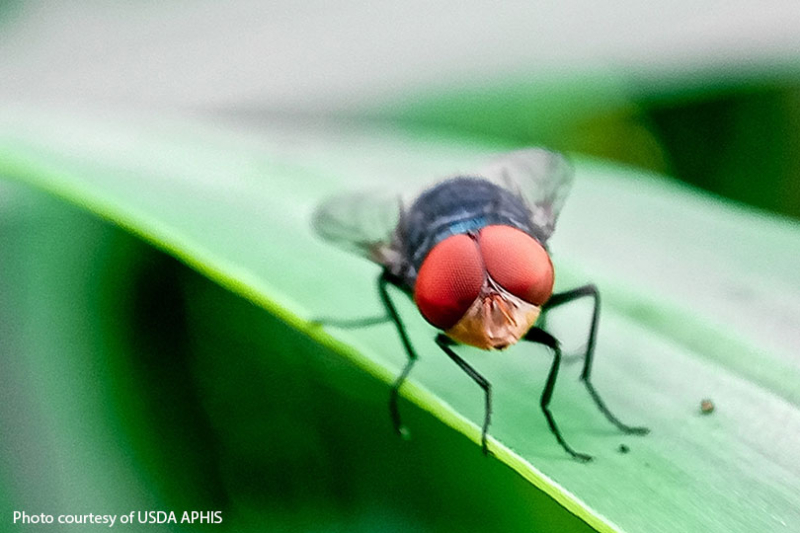
The New World screwworm (Cochliomyia hominivorax) is not a worm but the larval stage of a fly. Unlike most maggots that feed on dead tissue, screwworm larvae consume the living flesh of warm-blooded animals. This parasitic behavior makes them uniquely dangerous. Female flies are attracted to open wounds, where they lay their eggs. Upon hatching, the larvae burrow into the wound, causing severe tissue damage, secondary infections, and, if untreated, can be fatal. The pest affects a wide range of hosts, including cattle, sheep, goats, pets, and wildlife, and in rare cases, humans.
Current Outbreak Situation
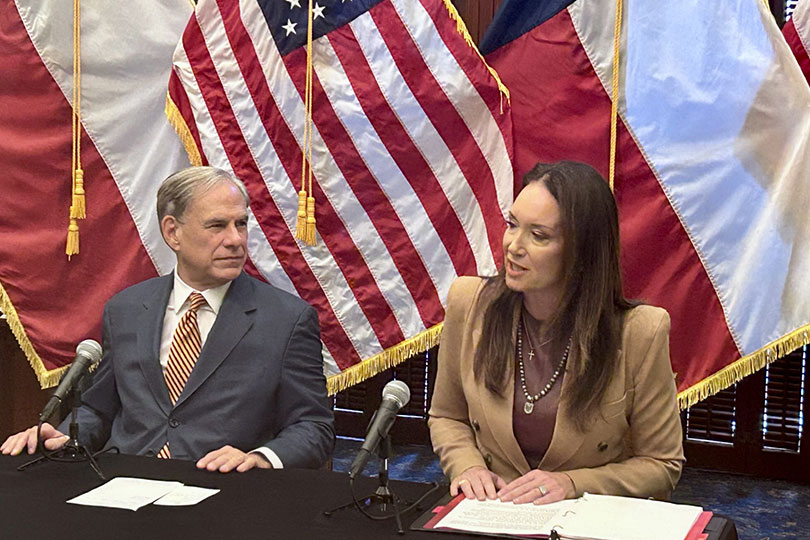
According to the U.S. Department of Agriculture (USDA), as of early June 2026, there are five confirmed cases of screwworm. The initial cases were found in calves in south Texas. Subsequent cases have been confirmed in a goat in Gillespie County, west of Austin, and a calf in La Salle County. A significant development was the reclassification of a case to Lea County, New Mexico, marking the first instance of the pest in that state and demonstrating its mobility. The USDA's Agriculture Secretary Brooke Rollins has held briefings to update the public on the situation. The infected animals are being treated, and investigations into their movement history are ongoing to trace the source of the infestation.

Geographic Spread and Implications
The confirmation of cases in La Salle and Gillespie counties, which are over a hundred miles apart, is a primary concern. While Dr. Edward Burgess, an entomologist from the University of Florida, cautions that increased surveillance naturally leads to more detections, the sporadic nature of the cases indicates that containment is not yet achieved. The parasite thrives in humid environments with temperatures above 77°F (25°C), making the impending summer months a critical period for potential spread. As reported by PBS News, the USDA and the cattle industry are racing to prevent a full-scale infestation.
Response and Eradication Strategy
The cornerstone of screwworm management is the Sterile Insect Technique (SIT). This method involves breeding male flies, sterilizing them with radiation, and releasing them from aircraft to mate with wild females. Since a female fly mates only once, a successful mating with a sterile male produces no offspring, effectively halting the population's life cycle.
Current Control Measures
- Sterile Fly Drops: The USDA has been conducting sterile fly releases in south Texas since February 2026 to suppress any emerging population.
- Production Expansion: The department is working to increase sterile fly production at existing plants outside the U.S. and has announced plans to construct a new $750 million fly factory in Texas.
- Quarantine and Monitoring: Canada has temporarily halted the import of cattle, horses, and other livestock from Texas. A 24-hour screwworm hotline and an online map for reported cases are now operational.
Economic and Political Context
The immediate economic impact is being managed, but the long-term risk is substantial. Beef prices are already near record levels due to a reduced national cattle herd. While the parasite does not infest meat or fruit, the primary threat is to live animals. Texas Agriculture Commissioner Sid Miller has voiced criticism of the federal response timeline, suggesting it risks crippling the industry. In contrast, Texas Governor Greg Abbott emphasized that the condition is highly treatable if caught early. The political landscape adds pressure to deploy an effective and swift solution.
Conclusion and Outlook
The resurgence of the New World screwworm in Texas is a stark reminder of the constant threat of invasive pests. The USDA, in partnership with state officials and the livestock industry, is leveraging proven SIT technology, but the recent geographic spread of cases highlights the challenge. Scientists are also exploring ways to sterilize only male flies to improve the program's efficiency. The immediate focus remains on surveillance, treatment, and containment. The success of these efforts in the coming months will determine whether the pest can be kept at bay or if a larger epidemic will ensue. Ranchers are urged to remain vigilant and report any suspicious wounds in their animals immediately to the established hotline.