Read on the Guardian
Unusual Hail Accumulations Blanket North Africa as Severe Thunderstorms Sweep Mediterranean
Severe thunderstorms across the Mediterranean region have produced extraordinary hail accumulations, with layers up to 3cm deep covering parts of Tunisia and Algeria like snow. Meteorological conditions including surface low-pressure systems and upper air cut-off lows have fueled intense storm activity, affecting multiple countries. This article examines the weather patterns behind these events, compares them with simultaneous severe weather in the United States, and explores the broader implications of such extreme meteorological phenomena in a changing climate.
An unusual meteorological event has transformed parts of North Africa into winter-like landscapes, with severe thunderstorms producing hail accumulations deep enough to resemble snow cover. This phenomenon, occurring during a period of intense Mediterranean weather activity, highlights the powerful and sometimes surprising impacts of extreme weather systems. The events of this week demonstrate how specific atmospheric conditions can combine to create dramatic weather outcomes across multiple regions simultaneously.

Meteorological Conditions Behind the Storms
The severe thunderstorms affecting the Mediterranean region this week developed under specific atmospheric conditions. On Monday, a surface low-pressure system in the Mediterranean combined with an upper air cut-off low to create ideal conditions for thunderstorm development over North Africa. These systems were further intensified by hot precursor conditions that provided additional energy for storm formation. The combination of these factors created an environment where thunderstorms could develop with unusual intensity and produce significant hail accumulations.
According to analysis from meteorological sources, the thunderstorms were particularly notable for their hail production. When hail forms in sufficient quantities, it can accumulate on the ground in layers similar to snowfall. This phenomenon occurred in multiple locations across Algeria and Tunisia, with accumulations reaching significant depths that transformed the landscape and created unusual conditions for the region.
Impact on North African Regions
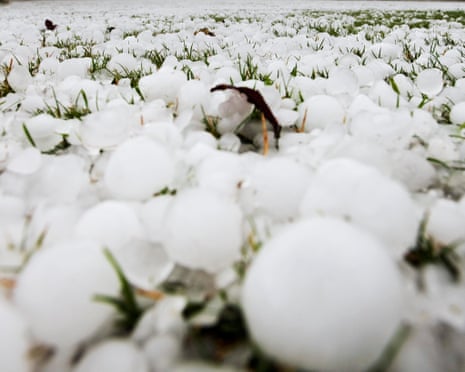
The thunderstorms had significant impacts across North Africa, with Algeria and Tunisia experiencing the most dramatic effects. In Algeria, hail accumulations of up to 3cm were reported in Oum Ladjoul and Hammam Sokhna. These accumulations created unusual winter-like conditions in regions not accustomed to such weather phenomena. The hail layers covered the ground completely, resembling snowfall and creating challenging conditions for residents and infrastructure.
In Tunisia, similar conditions were observed with hailstones reaching up to 3cm in diameter in Makthar. The thunderstorms continued through the following day, producing further hail accumulations. Notably, in Ouled Bousmir, Tunisia, a hail layer approximately 2cm deep was reported. These accumulations represent unusual weather events for the region and demonstrate the intensity of the storm systems affecting the Mediterranean.
Simultaneous Weather Events in Italy
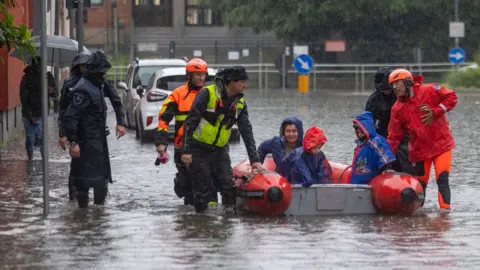
Later in the week, another surface low developed over Sicily, leading to thunderstorms across parts of central Italy. These storms produced severe downpours with remarkable rainfall rates. In Ascoli Piceno, 52.1mm of rain fell in just over one hour and ten minutes, while in Mosciano Sant'Angelo, 62.3mm fell in less than one hour and fifty minutes. Other regions experienced similarly intense rainfall, with 46mm falling in 36 minutes in the Sicilian town of Bagheria.
The Italian storms demonstrated the broader pattern of severe weather affecting the Mediterranean region. While North Africa experienced dramatic hail accumulations, Italy faced intense rainfall events that could lead to flooding and other hydrological impacts. These simultaneous events across different Mediterranean countries highlight how large-scale weather systems can affect multiple regions with different manifestations of severe weather.
Global Context of Severe Thunderstorms
While the Mediterranean experienced these unusual hail events, severe thunderstorms were occurring simultaneously in other parts of the world. In the northeastern United States, particularly in Dane County, Wisconsin, a supercell thunderstorm on Tuesday evening led to tornado warnings and severe hail. According to radar data, a tornado occurred, though there were no confirmed reports of it touching the ground. The supercell produced baseball-sized hailstones around Madison, measuring approximately 7cm in diameter—twice the size of those reported in Tunisia.
The following day, severe storms continued in the northeastern US and spread into Ohio. During this outbreak, even larger hail was reported, with softball-sized stones observed near Kansas City reaching diameters of up to 11.5cm. Tornado activity was also significant during these outbreaks, with approximately 20 tornadoes reported across Wisconsin, Kansas, Iowa, and Minnesota during the week. These events demonstrate that severe thunderstorm activity was occurring on multiple continents simultaneously, though with different characteristics and impacts.
Conclusion and Implications
The unusual hail accumulations in North Africa and simultaneous severe weather events across the Mediterranean and United States highlight the complex nature of global weather patterns. These events demonstrate how specific atmospheric conditions can combine to produce dramatic weather outcomes that challenge normal expectations for particular regions. The Mediterranean hail accumulations, in particular, represent an unusual phenomenon that transforms familiar landscapes and creates conditions typically associated with winter weather in unexpected locations.
As climate patterns continue to evolve, understanding these extreme weather events becomes increasingly important for preparedness and adaptation. The simultaneous occurrence of severe weather across different regions suggests interconnected atmospheric patterns that warrant further study. These events serve as reminders of the power of natural systems and the importance of continued meteorological monitoring and research to better understand and predict such phenomena in the future.