Japan and Australia Renew Calls for Equal Pay in Women's Football Amid Coaching Controversy
The Japan and Australia women's national football teams have issued a joint statement through FIFPRO, demanding equal prize money with the men's Asian Cup from the Asian Football Confederation. This call comes despite Japan's recent victory in the tournament, which was followed by the abrupt dismissal of their championship-winning coach, Nils Nielsen. The developments highlight the ongoing struggle for gender equality and professional respect in women's football across Asia.
In a significant move for gender equality in sports, the women's national football teams of Japan and Australia have jointly renewed their demand for pay parity with the men's game, directly challenging the Asian Football Confederation (AFC). This call to action follows the conclusion of the 2026 Women's Asian Cup, a tournament marked by both record-breaking success and underlying controversies. The issue of equal compensation has been thrust back into the spotlight, coinciding with the surprising dismissal of Japan's championship-winning coach, Nils Nielsen, just days after his team's triumph.
The Demand for Equal Prize Money
The crux of the issue lies in the stark disparity between the men's and women's tournaments. According to reports cited by the teams, the prize fund for the Women's Asian Cup was $1.8 million, identical to the 2022 edition. In stark contrast, the men's Asian Cup offers a prize pool of $14.8 million. This inequality persists despite the women's tournament demonstrating significant commercial and popular potential. A FIFPRO report from February 2026 estimated the event could generate up to $82.4 million in revenue, a figure that underscores the growing market for women's football.
In a joint statement released through the global players' union FIFPRO, the Japanese and Australian squads stated, "Despite the success of this tournament it remains the lowest-paying continental tournament in the world and inequality between the men’s and women’s game remains." They accused the AFC of ignoring their pre-tournament invitation to collaborate on establishing equal prize money and a guaranteed share for all players. The teams argued that equal financial rewards would be "transformational," helping to raise standards across all levels of the game in Asia and benefiting football in the long term.

Tournament Success and Underlying Challenges
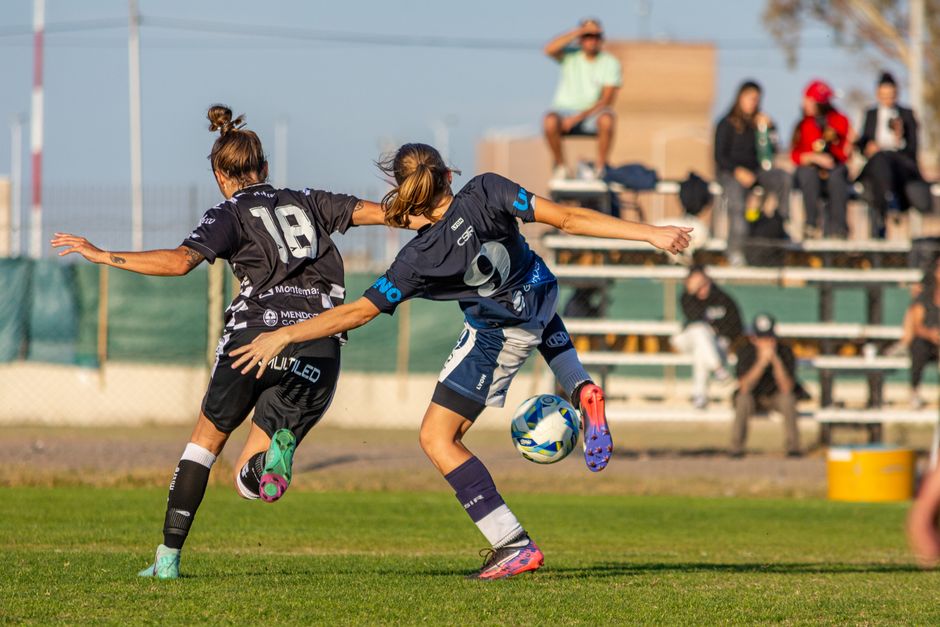
The 2026 Women's Asian Cup, hosted by Australia, was a landmark event in several respects. The final between Japan and Australia in Sydney attracted over 74,000 fans, the largest crowd in the competition's history. Overall, a record 350,000 spectators attended matches throughout the three-week tournament. Japan emerged victorious, defeating the host nation 1-0 to claim their third Asian title in four tournaments. The Japanese team's performance was dominant, scoring 29 goals while conceding only one.
However, the tournament was also played against a backdrop of significant challenges, which the joint statement highlighted. The most notable was the situation involving the Iranian team, where seven members sought asylum in Australia after being branded "traitors" at home for refusing to sing the national anthem. Other issues included the Indian team receiving ill-fitting kits and the South Korean squad threatening a boycott over "poor" treatment compared to their male counterparts. The players' statement emphasized that "these challenges can only be tackled together in partnership" with the governing body.
Japan's Shock Coaching Decision
In a parallel and surprising development, the Japan Football Association (JFA) announced the dismissal of head coach Nils Nielsen merely 12 days after he led the team to Asian Cup glory. Nielsen, a 54-year-old Greenlander who was the first foreign-born coach of Japan's women's team, had his contract expire after the tournament, and the JFA board decided not to renew it. JFA president Tsuneyasu Miyamoto stated the decision was made after "thinking about winning major international tournaments and weighing up various factors."
The rationale provided by the JFA leadership focused on perceived shortcomings in Nielsen's approach. Women's national team director Norio Sasaki, who coached Japan to the 2011 World Cup title, claimed Nielsen's coaching was "a little too lax, a little too soft" and that he lacked the necessary rigor and passion to win a global title like the World Cup. Sasaki asserted that Japan could not win next year's World Cup in Brazil under Nielsen's leadership and indicated that the next permanent coach would likely be Japanese. Michihisa Kano was appointed interim coach for an upcoming tour of friendlies against the United States.

The Path Forward for Equality
The dual narratives of the pay parity fight and the coaching controversy intersect on the theme of respect and professional treatment for women athletes. The Japanese and Australian teams concluded their statement by looking ahead, stating, "We expect FIFA to honour its pledge of equal prize money for the 2027 FIFA Women’s World Cup and we will continue to fight for equality and respect for women players across our region." This sets a clear expectation for global governing bodies to follow through on their commitments.
The events of March 2026 represent a critical juncture for women's football in Asia. The record-breaking success of the Women's Asian Cup proves the sport's viability and popularity, while the ongoing financial disparity and the treatment of a championship-winning coach highlight the institutional barriers that remain. The call for equal prize money is not just about fairness but about investing in the future growth of the game. As the sport continues to evolve, the partnership between players, national associations, and continental governing bodies like the AFC will be crucial in building a sustainable and equitable future for women's football across the continent.