The US Legacy of 'Carpet Bombing' Threats and Their Historical Context
The recent threat by US President Donald Trump to bomb Iran 'back to the stone ages' echoes a decades-old pattern in American military rhetoric and action. While analysts condemn such threats as potential war crimes, they are not new. This article examines the historical context of US carpet bombing threats, from Curtis LeMay's infamous statement during the Vietnam War era to warnings issued during the Gulf War and the post-9/11 period, analyzing the legal and ethical implications of such warfare tactics.
The recent declaration by United States President Donald Trump, threatening to bomb Iran "back to the stone ages," has reignited a critical debate on the legality and morality of carpet bombing. While such threats are widely condemned by international law experts as potential war crimes, they represent a recurring theme in American military history rather than a novel development. This rhetoric builds upon a decades-old legacy where US officials have threatened, and often executed, campaigns of overwhelming aerial destruction against adversary nations. Understanding this history is crucial for contextualizing current conflicts and upholding the principles of international humanitarian law.

The Legal Framework: Carpet Bombing as a War Crime
International humanitarian law, as outlined by organizations like the International Committee of the Red Cross (ICRC), strictly prohibits the deliberate targeting of civilian objects during warfare. The threat to destroy a country's modern infrastructure wholesale—its energy grids, telecommunications, hospitals, schools, and cultural sites—directly contravenes these principles. As noted by Professor Janina Dill of the University of Oxford, such an announcement implies "systematic and serious violations of longstanding laws of war." It shifts the implied target from a military or political regime to the civilian population and society itself, a distinction with profound ethical and legal consequences.
A Historical Echo: The 'Stone Age' Rhetoric
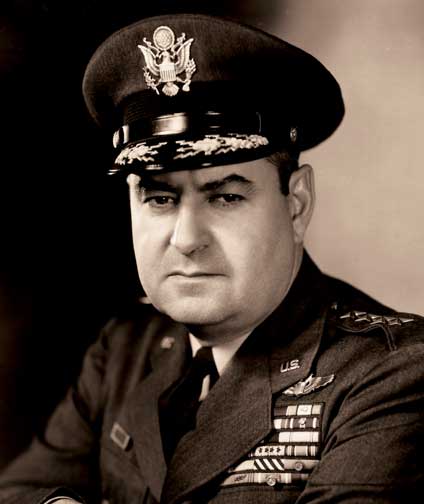
The specific phrase "bomb them back into the Stone Age" is indelibly linked to US Air Force General Curtis LeMay. In his 1965 autobiography, Mission with LeMay, he used this language in the context of the Vietnam War. LeMay was a key architect of the devastating firebombing campaigns against Japanese cities in World War II, which resulted in hundreds of thousands of civilian deaths. His advocacy for total aerial warfare provided a philosophical blueprint that subsequent US military actions have been measured against, for better or worse.
Case Studies in US Bombing Campaigns
The US has a long history of employing massive aerial bombardment, with several conflicts standing out for their scale and destructiveness.
World War II and the Korean War
During World War II, the US executed extensive carpet bombing of Japanese cities, a strategy LeMay helped pioneer. This approach was later replicated during the Korean War (1950-1953), where US bombing raids were so comprehensive that they destroyed an estimated 95% of North Korea's power generation capacity and over 80% of its buildings, effectively leveling nearly every town.
The Vietnam War
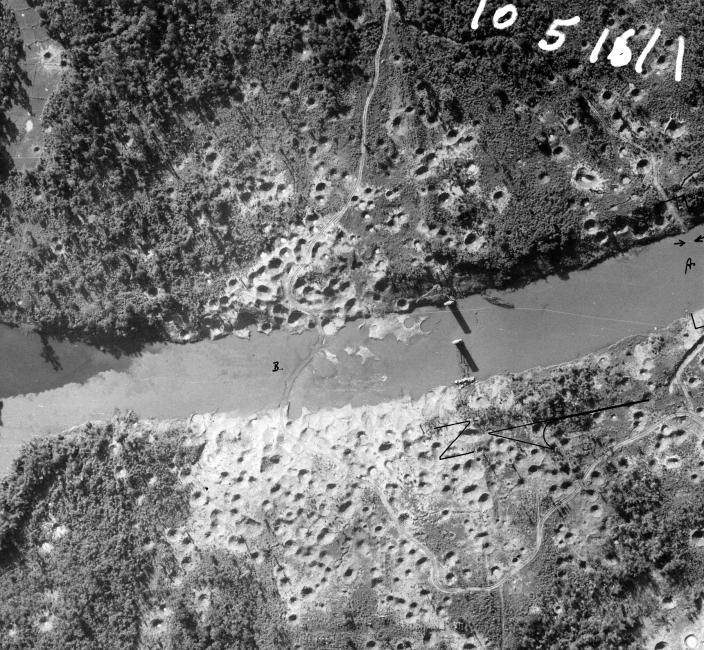
The Vietnam War saw the US follow through on the kind of overwhelming force LeMay envisioned. While he had retired by the time of the most intense campaigns, the strategy persisted. President Richard Nixon's "Christmas bombings" of Hanoi and Haiphong in December 1972 are a prime example. The US also conducted intensive, often indiscriminate, bombing across South Vietnam, Laos, and Cambodia, targeting suspected supply routes and bases with devastating effect on civilian populations and infrastructure.
The Gulf War and Beyond
In the lead-up to the 1991 Gulf War, the threat resurfaced explicitly. Then-US Secretary of State James Baker warned Iraqi Foreign Minister Tariq Aziz that the US would bomb Iraq "back to the Stone Age" if it did not withdraw from Kuwait. While the US military increasingly emphasized precision-guided munitions from this period forward, analysts debate the practical outcome. Some argue that the use of large numbers of unguided "dumb" bombs still resulted in widespread, carpet-bombing-style destruction of Iraqi infrastructure and urban areas. Furthermore, in the post-9/11 "war on terror," senior US official Richard Armitage reportedly warned Pakistan it would be "bombed back to the Stone Age" if it did not cooperate, demonstrating the continued use of this rhetorical tool.
Conclusion: A Pattern of Power and Its Limits
The recurrence of the "stone age" threat throughout modern US history reveals a persistent doctrine of leveraging overwhelming destructive power to achieve political ends. However, each instance also reinforces the fundamental rules of war designed to protect civilians from such totality. As the world reacts to contemporary threats, this historical context is vital. It underscores that such rhetoric is not an aberration but part of a challenging pattern that the international community must consistently confront with the firm standards of international law. The legacy of carpet bombing, both in threat and in practice, remains a dark chapter that continues to inform debates on military ethics, proportionality, and the very definition of war crimes in the 21st century.