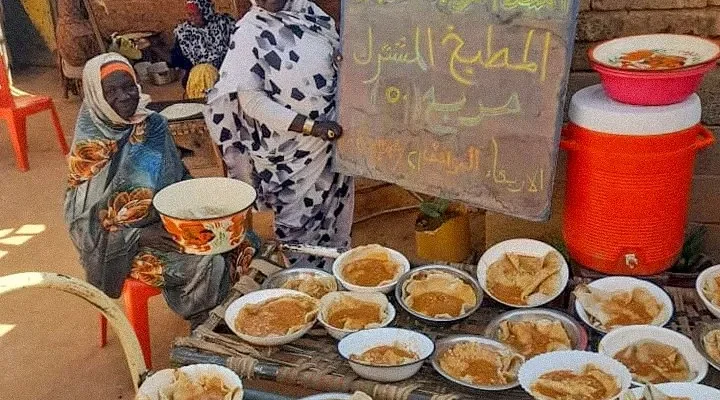
Read on France 24
No End in Sight: Lebanon's Deepening Humanitarian Crisis as Conflict Enters Second Month
As the conflict between Hezbollah and Israel enters its second month, Lebanon faces a severe and escalating humanitarian crisis. Prime Minister Nawaf Salam has stated there is no foreseeable end to the violence, which has already displaced approximately one million people. Families fleeing Israeli airstrikes report profound exhaustion from repeated cycles of conflict, while Israel's declared intent to establish a 'security zone' in southern Lebanon threatens further territorial upheaval. This article examines the current situation on the ground, the immense human toll, and the grim prospects for de-escalation.
The conflict along the Lebanon-Israel border has escalated into a sustained war of attrition, entering a critical and devastating second month with no diplomatic resolution in sight. Lebanese Prime Minister Nawaf Salam's stark assessment on Thursday underscores a grim reality: the violence shows no signs of abating, trapping the civilian population in a cycle of displacement and fear. The human cost is staggering, with an estimated one million people forced from their homes, while Israel's declared strategy to create a 'security zone' in southern Lebanon signals a potential long-term military occupation, further complicating any path to peace.
A Nation Under Strain: The Scale of Displacement
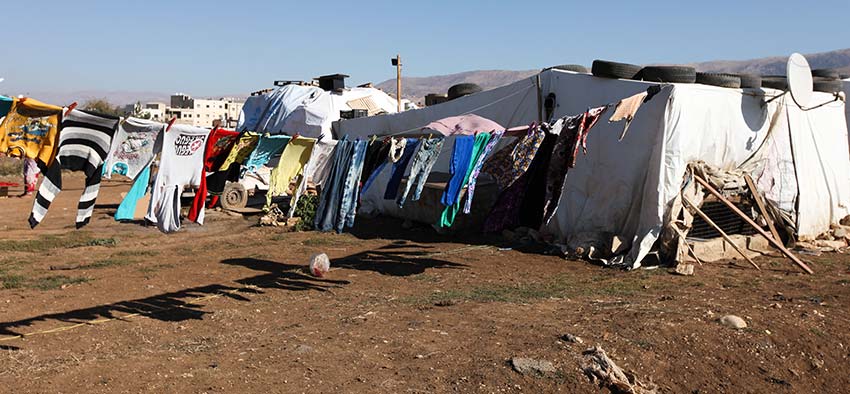
The primary and most visible impact of the ongoing conflict is the massive internal displacement within Lebanon. As reported by FRANCE 24, the figure of one million displaced persons represents a significant portion of Lebanon's population, placing immense strain on the country's already crippled infrastructure and economy. Shelters, schools, and host communities are overwhelmed, struggling to provide basic necessities like food, water, and medical care to the influx of people fleeing the fighting in the south.
Civilian Exhaustion and Psychological Toll
Beyond the physical displacement, FRANCE 24's reporting from Beirut highlights a profound sense of exhaustion among Lebanese families. This is not their first experience with conflict, and many express a weary resignation as they are forced to evacuate their homes yet again. The psychological toll of living under the constant threat of airstrikes, coupled with the instability of being internally displaced, creates a humanitarian crisis that extends far beyond immediate physical needs.
The Military and Strategic Stalemate
The conflict pits the Iranian-backed armed group Hezbollah against the Israeli military. Israel has publicly pledged to occupy areas of southern Lebanon as part of a proposed 'security zone,' aimed at protecting its northern towns from rocket and anti-tank fire. This strategy, reminiscent of Israel's occupation of southern Lebanon from 1982 to 2000, suggests a commitment to a prolonged ground operation, making a swift ceasefire unlikely. Hezbollah, for its part, has demonstrated significant military capability, leading to a costly stalemate with daily exchanges of fire.
The 'Security Zone' and Its Implications
Israel's intention to establish a buffer zone inside Lebanese territory is a major point of contention. Such a move would constitute a de facto occupation, violating Lebanese sovereignty and likely fueling further resistance. It raises serious questions about the long-term political and security landscape of the region, potentially setting the stage for an indefinite low-intensity conflict even if major hostilities subside.
Regional and International Context
This conflict does not exist in a vacuum. It is intrinsically linked to the broader regional tensions, particularly the ongoing war in Gaza and the entrenched rivalry between Israel and Iran. Diplomatic efforts have so far failed to gain traction, as the core demands of both sides appear irreconcilable in the current climate. The international community faces the challenge of addressing both the immediate humanitarian emergency and the complex geopolitical drivers of the violence.

Conclusion: A Crisis with No Clear Exit
As Lebanon enters the second month of this war, the situation grows increasingly dire. The combination of massive displacement, civilian exhaustion, and hardened military positions creates a perfect storm for prolonged suffering. Prime Minister Salam's statement that there is 'no end in sight' is a sobering acknowledgment of the deadlock. Without a decisive shift towards diplomacy and de-escalation, the people of Lebanon will continue to bear the brunt of a conflict that threatens to further destabilize an already fragile nation and region. The immediate priority must be an urgent increase in humanitarian aid and protection for civilians, while the longer-term goal remains a sustainable political solution that addresses the root causes of the violence.