Read on bbc.com
Imminent Danger for Narges Mohammadi: Nobel Laureate's Health Crisis in Iranian Prison
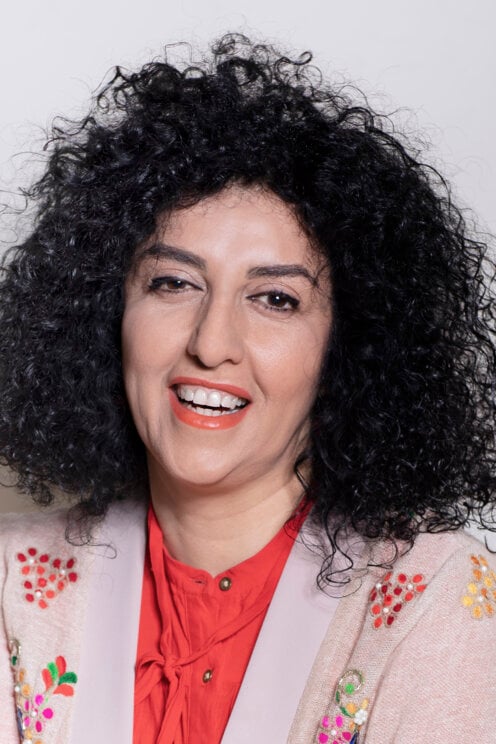
Nobel Peace Prize laureate Narges Mohammadi is facing a severe health emergency in an Iranian prison, with her brother warning her life is in 'imminent danger.' After suffering a suspected heart attack in Zanjan Prison, officials have refused to transfer her to a hospital despite her history of heart and lung conditions. This crisis unfolds against the backdrop of a regional war, which her family says has exacerbated the perilous conditions for all political prisoners in Iran, denying them essential medical care.
The international community is facing renewed calls for urgent action as Iranian Nobel Peace Prize laureate Narges Mohammadi endures a critical health crisis behind bars. Her brother, Hamidreza Mohammadi, has issued a stark warning that her life is in 'imminent danger' and that she requires immediate hospitalization—a demand prison authorities have so far refused. This alarming situation highlights the severe risks faced by political prisoners in Iran, particularly under the strain of ongoing regional conflict.
The Medical Emergency in Zanjan Prison
According to her brother's account to the BBC, Narges Mohammadi was found unconscious in her prison bed by fellow inmates. The incident, described as a suspected heart attack, left her unresponsive for over an hour. Fellow prisoners carried her to the prison infirmary, where medication was administered to restore consciousness. Despite this clear medical emergency and her documented history of heart and pulmonary problems, Iranian officials have denied requests to transfer her to a proper hospital for specialist care.
Compounding Factors: Health History and War Conditions
Mohammadi's pre-existing conditions make the denial of hospital care particularly egregious. She suffers from severe blood pressure fluctuations alongside her heart and lung issues. Furthermore, the ongoing US-Israeli war with Iran has introduced new dangers. Her brother reports that strikes and explosions near Zanjan Prison have significantly increased stress levels for all detainees. He argues that under Iranian law, authorities who cannot guarantee prisoner safety during wartime should release non-dangerous inmates—a provision being ignored.
A Pattern of Persecution and Deteriorating Health
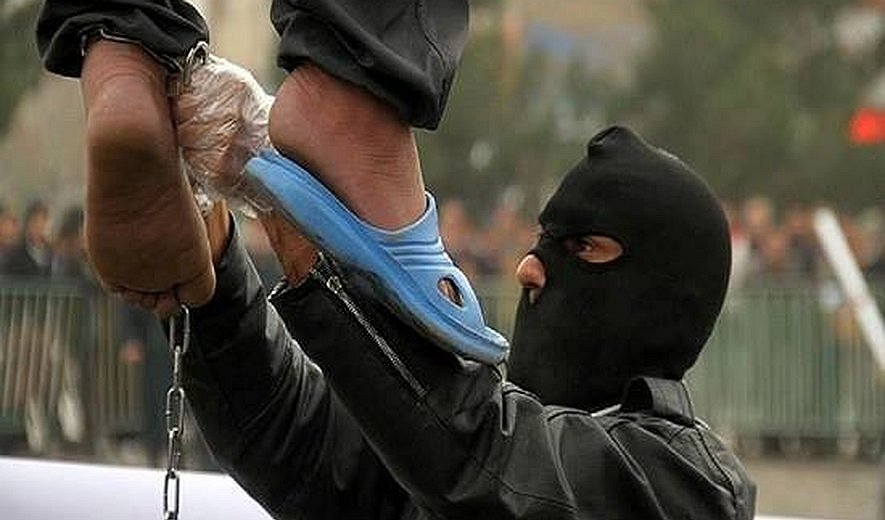
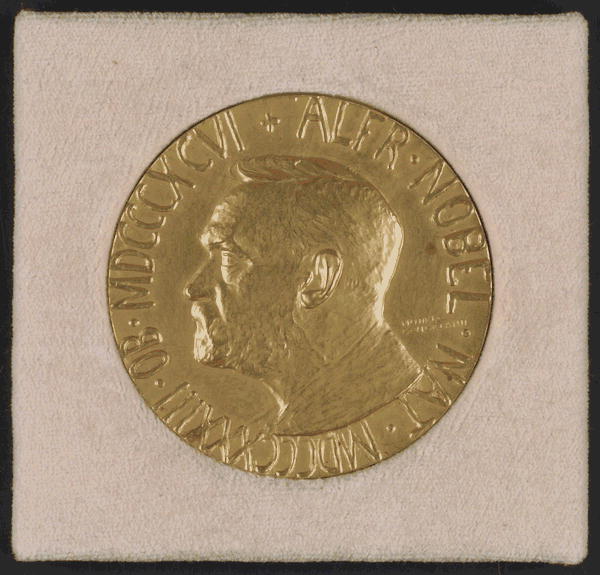
Narges Mohammadi's current imprisonment is part of a decades-long pattern. The vice-president of the Defenders of Human Rights Center in Iran, she was awarded the 2023 Nobel Peace Prize for her activism against female oppression. She is currently serving multiple sentences, including an original 13-year term and an additional seven-and-a-half years handed down in early 2025. Her health has deteriorated significantly during her incarceration. A recent visit by her legal team found her 'extremely poor' in health, appearing pale, weak, and having lost significant weight. She also reported persistent headaches, nausea, double vision, and visible bruises from a violent arrest in December 2024.
Broader Context of Repression
Mohammadi's case is not isolated. In a separate but related development, prominent human rights lawyer Nasrin Sotoudeh was arrested at her Tehran home. Her daughter reported that electronic devices were confiscated, and contact has been lost. Sotoudeh, a Sakharov Prize winner, has herself been imprisoned multiple times for her work. This occurs within a climate where, according to the US-based Human Rights Activists News Agency (HRANA), a recent crackdown on protests led to thousands of deaths and arrests. The refusal of medical care to high-profile prisoners like Mohammadi signals a deepening human rights crisis.
International Response and Legal Demands
The family's primary demand is clear and urgent: the immediate release of Narges Mohammadi to undergo a thorough medical examination in a hospital setting. They cite her known medical history and the impossibility of receiving adequate care in prison, especially during wartime. The Free Narges Coalition has echoed these calls, detailing the negligence surrounding her medical emergency. The international community, having honored her with the Nobel Prize, now faces a critical test in applying diplomatic pressure to secure her safety and medical treatment.
Conclusion: A Race Against Time
The situation for Narges Mohammadi is a race against time. With her life reportedly in imminent danger due to withheld medical care, her case transcends individual tragedy and becomes a stark indicator of the treatment of dissent in Iran. The compounding factors of war, systemic repression, and deliberate medical neglect create a perilous environment for all political prisoners. Ensuring Mohammadi's access to urgent healthcare is not only a humanitarian imperative but a crucial stand for the principles of human rights she has spent her life defending.