Beyond the Shrimp Cocktail: A Glimpse into Daily Life on NASA's Artemis II Mission
NASA's Artemis II astronauts recently offered a fascinating look at life aboard the Orion spacecraft, including a surprising menu item: shrimp cocktail. This nearly 10-day test mission is pushing human exploration further than ever before, with the crew demonstrating everything from emergency procedures to the realities of eating in microgravity. The mission serves as a critical precursor to returning humans to the lunar surface, testing both the spacecraft's systems and the crew's ability to live and work in deep space.
The image of astronauts floating in a spacecraft, enjoying a meal of shrimp cocktail, offers a uniquely human perspective on the monumental technical achievements of space exploration. During NASA's historic Artemis II mission, the crew provided the world with a candid glimpse into their daily lives aboard the Orion spacecraft. This nearly 10-day journey, which ventured farther from Earth than any human has traveled before, was not just a test of hardware but a crucial evaluation of how humans live, work, and even dine in the deep space environment.
The Artemis II Mission: A Pioneering Test Flight
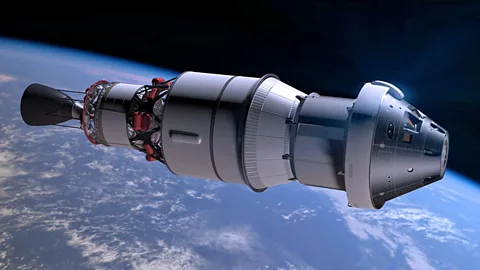
Artemis II represents a pivotal step in NASA's ambitious program to return humans to the Moon and eventually send them to Mars. As reported by CGTN, this mission served as the first crewed test of the Orion spacecraft, carrying astronauts on a trajectory that took them around the Moon and back. The primary objective was to thoroughly vet all of Orion's systems—including life support, communication, and navigation—with a human crew on board before committing to a lunar landing on Artemis III.
Life in Microgravity: From Meals to Medical Drills
The viral moment of astronauts eating shrimp cocktail highlights the advanced state of space food technology and the importance of crew morale. Meals in space are carefully engineered to be nutritious, palatable, and easy to consume in a microgravity environment where crumbs and liquids can float away. Beyond dining, the crew's activities provided a comprehensive look at mission operations. They demonstrated critical procedures such as performing CPR in weightlessness, a vital skill for handling medical emergencies when Earth-based help is days away. These demonstrations underscore that long-duration spaceflight requires mastering both the grand challenges of spacecraft engineering and the intimate details of human physiology and psychology.
The Significance of the Journey
By traveling farther than any humans in history, the Artemis II crew paved the way for the next era of exploration. This mission tested the spacecraft's performance in the harsh environment of deep space, including navigating the complex gravitational fields between Earth and the Moon and ensuring reliable communication over vast distances. The success of this uncrewed and now crewed test flight builds confidence in the Orion capsule's ability to safely transport astronauts to lunar orbit and back, setting the stage for the next mission: putting boots back on the lunar surface.
Looking Ahead: The Road to Artemis III and Beyond
The insights gained from the daily life and system performance on Artemis II are invaluable data points for mission planners. Understanding how the crew adapts, how equipment functions over a multi-day journey, and how to maintain a safe and productive environment is essential for planning the longer, more complex Artemis III lunar landing mission. Each shared moment, from a shared meal to a technical drill, contributes to the collective knowledge required to sustain human presence on the Moon and eventually undertake the journey to Mars.
In conclusion, the story of astronauts eating shrimp cocktail in space is more than a curious anecdote; it is a symbol of normalizing life in an utterly alien environment. The Artemis II mission successfully demonstrated that humanity possesses not only the engineering prowess to reach deep space but also the adaptability to live there. As NASA analyzes the terabytes of data from this test flight, the world awaits the next giant leap: the return of humans to the lunar surface, built on the foundational successes of missions like Artemis II.