Read on France 24
Artemis II Completes Historic Lunar Flyby: A New Chapter in Human Spaceflight
NASA's Artemis II mission has successfully completed its final lunar flyby, marking a historic milestone in human spaceflight. The crew of four astronauts, traveling farther from Earth than any humans before, conducted detailed observations of the Moon, witnessed a solar eclipse, and proposed naming lunar craters in a poignant tribute. This mission, which broke the distance record set by Apollo 13, represents a crucial step toward returning humans to the lunar surface and establishing a sustainable presence. The astronauts' journey back to Earth continues, carrying with them invaluable scientific data and renewed inspiration for space exploration.
NASA's Artemis II mission has achieved a monumental milestone, successfully completing its final lunar flyby and beginning its journey back to Earth. This historic mission, carrying a crew of four astronauts farther from our planet than any humans have ever traveled, represents a pivotal step in the renewed effort to explore the Moon and beyond. The crew's observations and experiences during the flyby have provided unprecedented scientific data and captured the imagination of people worldwide, signaling a new era in human spaceflight.
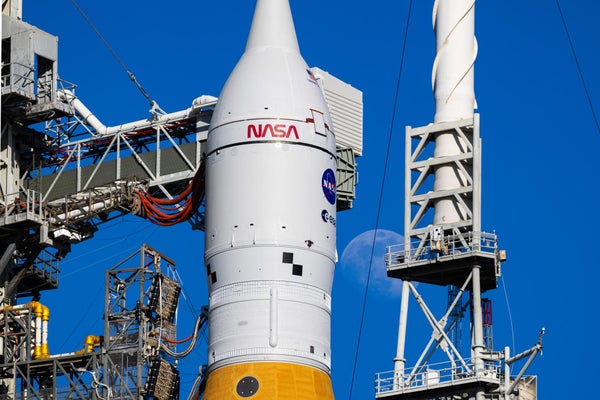
The Historic Lunar Flyby and Record-Breaking Journey
On April 6, 2026, the Artemis II crew conducted a nearly seven-hour observation period during their lunar flyby, providing scientists with rich celestial data. The astronauts reported detailed features of the lunar surface, witnessed a solar eclipse as the Moon passed in front of the Sun, and observed flashes of light from meteor strikes on the Moon's surface. Astronaut Victor Glover described the experience as "truly hard to describe" and "amazing," noting that "humans probably have not evolved to see what we're seeing."
The mission achieved several significant milestones, most notably breaking the distance record set by the Apollo 13 mission in 1970. The Artemis II spacecraft reached approximately 252,760 miles (406,778 kilometers) from Earth, surpassing Apollo 13's record by about 4,105 miles (6,606 kilometers). As noted by France 24's coverage, astronaut Jeremy Hansen remarked that this achievement should "challenge this generation and the next, to make sure this record is not long-lived."
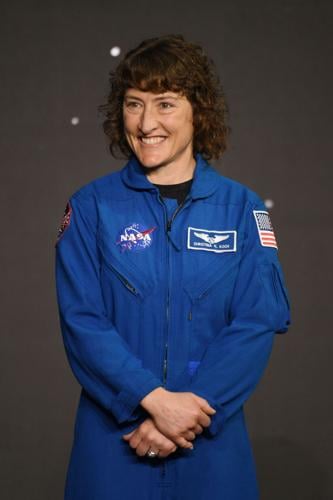
Scientific Observations and Emotional Moments
The Artemis II crew's scientific contributions during the flyby were substantial. Kelsey Young, lead scientist for the mission, told the astronauts, "I can't say enough how much science we've already learned. You really brought the Moon closer for us today." The crew observed little-known lunar craters and provided detailed descriptions that will help scientists better understand the Moon's surface features and geological history.
One of the most poignant moments occurred when the crew proposed naming two previously unnamed craters. The first crater they requested to name "Integrity," after their spacecraft's nickname. The second they proposed naming "Carroll," in honor of the late wife of mission commander Reid Wiseman, who died of cancer. As reported by France 24, Hansen described the proposed Carroll crater as "a bright spot on the Moon," his voice breaking with emotion during the transmission. NASA indicated they would formally submit these name proposals to the International Astronomical Union.
Communication Blackout and Presidential Call
During their journey behind the Moon, the Artemis II crew experienced an expected 40-minute communications blackout, becoming the first people in more than 50 years to lose contact with humanity. When communications were restored, astronaut Christina Koch expressed the crew's relief, stating, "It is so great to hear from Earth again. We will always choose Earth."
Later that evening, the crew received a call from U.S. President Donald Trump, who praised them as "modern-day pioneers" with "a lot of courage." Trump, who at age 79 remembers the Apollo era, told the astronauts, "You've really inspired the entire world" and emphasized that "America will be second to none in space." The call itself experienced a minor signal glitch, with Trump humorously noting, "It is a long distance, it's a long ways."
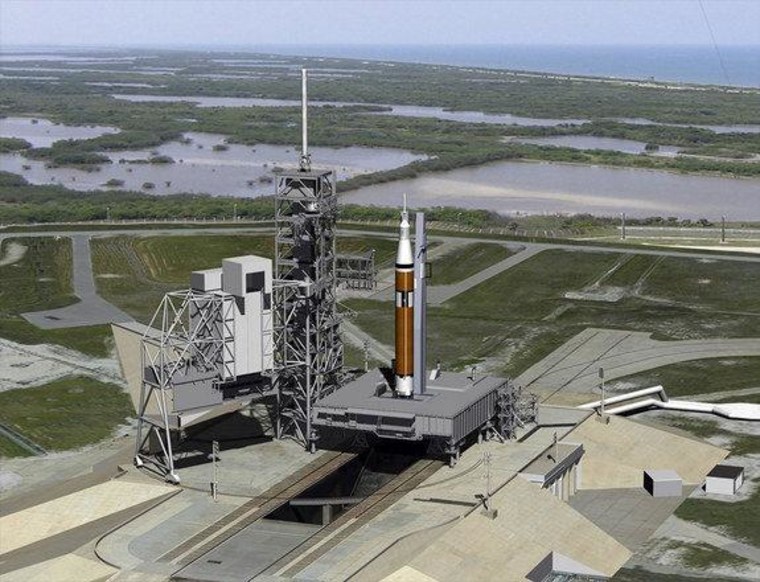
The Journey Home and Mission Significance
The Orion capsule is now on its return trajectory to Earth, a journey expected to take approximately four days. This "free-return trajectory" will bring the crew safely back to our planet, completing their historic mission. The Artemis II mission represents several firsts in space exploration: Victor Glover will be the first person of color to fly around the Moon, Christina Koch will be the first woman, and Jeremy Hansen will be the first non-American to complete such a journey.
This mission serves as a crucial precursor to Artemis III, which aims to land astronauts on the lunar surface. The data collected during Artemis II's flyby will inform future missions and help scientists better understand the lunar environment. As humanity looks toward establishing a sustainable presence on the Moon and eventually sending crewed missions to Mars, the success of Artemis II marks a significant step forward in our exploration of space.