Read on France 24
Global Air Travel Disruption: The Impact of Middle Eastern Conflict on Aviation Hubs
The ongoing conflict involving Iran has triggered a severe disruption in global air travel, forcing the closure of critical aviation hubs in the Middle East, including Dubai, Doha, and Abu Dhabi. This has left countless travelers stranded and airlines scrambling to reroute flights, creating a multi-faceted logistical and economic challenge for the aviation industry. The situation highlights the vulnerability of global connectivity to regional instability and the complex ripple effects on international travel networks.
The stability of global air travel is a cornerstone of modern international business, tourism, and diplomacy. However, this intricate network is highly vulnerable to regional geopolitical shocks. As reported by France 24, the ongoing conflict involving Iran has precipitated a severe and widespread disruption, forcing the closure of major Middle Eastern aviation hubs. This event has created a "multi-faceted challenge for airlines," leaving many travelers unable to reach their planned destinations and exposing the fragility of our interconnected world.
The Epicenter of Disruption: Closed Aviation Hubs
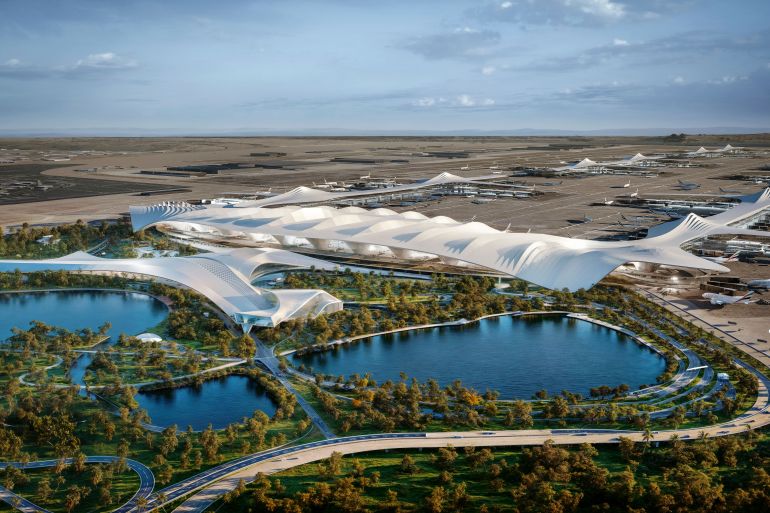
The immediate and most visible impact of the conflict has been the shutdown of some of the world's most critical transit points. The referenced report specifically names Dubai, Doha, and Abu Dhabi as key hubs that have been forced to close. These cities are not merely regional airports; they are global super-connectors. Dubai International Airport (DXB), for instance, was the world's busiest for international travel pre-conflict, serving as a primary bridge between Europe, Asia, Africa, and Australasia. Similarly, Hamad International Airport in Doha and Abu Dhabi International Airport are vital nodes for major carriers like Qatar Airways and Etihad Airways. Their closure effectively severs a primary artery of global air traffic, creating a domino effect of cancellations and reroutings worldwide.
Consequences for Travelers and Airlines
For the traveling public, the disruption is profound and personal. Passengers with itineraries routed through the Middle East have found their plans abruptly canceled, leading to significant inconvenience, financial loss, and uncertainty. The alternatives are limited and often impractical. Rerouting long-haul flights, especially those connecting continents like Europe to Asia or Africa to North America, now requires significantly longer paths, often over the Atlantic or Pacific, increasing flight times, fuel costs, and ticket prices.

For airlines, the challenge is operational and financial. Carriers based in the Gulf, such as Emirates, Qatar Airways, and Etihad, have seen their entire hub-and-spoke models paralyzed. International airlines that relied on these hubs for fuel stops and passenger transfers must now find new routes, negotiate new overflight rights, and manage complex logistics for stranded aircraft and crews. The financial toll includes lost revenue, increased operational costs, and massive customer service burdens for rebooking and compensation.
The Broader Implications for Global Connectivity
This event underscores a critical vulnerability in the architecture of global aviation. The concentration of so much traffic through a handful of hubs in a geopolitically volatile region creates a single point of failure with worldwide repercussions. It forces a reevaluation of risk management and route planning for airlines and highlights the need for more resilient and diversified global networks. The disruption also has economic implications beyond aviation, affecting tourism, global supply chains reliant on air cargo, and business connectivity.
In conclusion, the forced closure of Middle Eastern aviation hubs due to regional conflict is more than a temporary travel inconvenience; it is a stark reminder of how geopolitical instability can instantly unravel the threads of global connectivity. The aviation industry now faces the arduous task of navigating this crisis, rerouting the world's traffic, and ultimately planning for a future where such vulnerabilities must be mitigated. The path to recovery will be long and complex, dependent on the resolution of the underlying conflict and the rebuilding of trust in the region's stability as a transit corridor.