DOJ Launches Antitrust Investigation into NFL's TV Contracts and Subscription Model
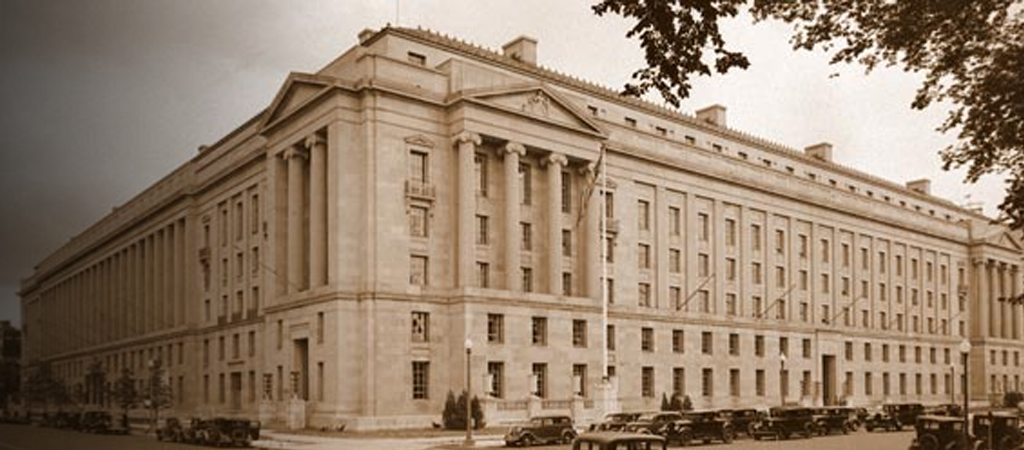
The U.S. Department of Justice has initiated a formal antitrust investigation into the National Football League's television distribution practices. The probe, confirmed by sources to ABC News, will examine whether the NFL's media contracts, which require fans to pay for multiple subscriptions to watch certain games, violate competition laws. This investigation follows a recent class-action lawsuit and congressional scrutiny, questioning the applicability of the league's 1961 antitrust exemption in today's streaming-dominated media landscape.
The U.S. Department of Justice (DOJ) has opened a significant antitrust investigation into the National Football League's television distribution model, a move that could reshape how millions of fans access games. According to sources who confirmed the news to ABC News, the probe centers on whether the league's complex web of media contracts, which often requires consumers to pay for multiple streaming and cable subscriptions, constitutes anticompetitive behavior. This investigation strikes at the heart of the modern sports media economy, where the NFL commands nearly $11 billion annually from its rights deals.
The Core of the Investigation: Antitrust and the Sports Broadcasting Act
The investigation will scrutinize the NFL's use of its antitrust exemption granted by the Sports Broadcasting Act of 1961. This law allows the league to negotiate television rights collectively as a single entity for broadcast television, a practice that would otherwise violate antitrust laws. However, as reported by The Wall Street Journal, courts have previously ruled this exemption does not extend to cable, satellite, or streaming media. The DOJ will examine whether the NFL's current practice of placing games behind subscription paywalls on platforms like ESPN, Prime Video, and Netflix aligns with the original consumer-access rationale of the 1961 law.
The NFL's Current Media Landscape and Fan Costs
The NFL's media empire is vast, with contracts spanning traditional broadcast and digital platforms. The league has agreements with ESPN/ABC, NBC Sports, CBS Sports, Prime Video, and Netflix. While the NFL emphasizes that over 87% of games air on free, broadcast television—including 100% of games in the local markets of the competing teams—key matchups are locked behind subscriptions. "Monday Night Football" games not simulcast on ABC, "Thursday Night Football," the Black Friday game on Prime Video, and Christmas games on Netflix all require paid access. As noted in the ESPN report, some international and select postseason games also mandate subscriptions, with past games appearing on ESPN+ and Peacock.

Political and Legal Pressure Mounts
The DOJ's move follows direct pressure from Capitol Hill. Senator Mike Lee (R-Utah), Chair of the Senate Judiciary Committee's Subcommittee on Antitrust, wrote to the DOJ and FTC on March 3rd, urging a review of the NFL's distribution methods. In a social media post, Senator Lee applauded the investigation, stating, "The modern distribution environment differs substantially from the conditions that precipitated this exemption." He highlighted that fans can spend nearly $1,000 annually on subscriptions to watch all games, a figure supported by a Forbes estimate of $765 for the previous season. This political scrutiny underscores a growing concern over the affordability of sports entertainment.
Historical Context and Recent Legal Challenges
This is not the NFL's first major antitrust battle. In 2024, a jury in U.S. District Court in Los Angeles ruled the NFL violated antitrust laws in distributing its "Sunday Ticket" out-of-market game package exclusively on DirecTV, awarding $4.7 billion in damages in a class-action lawsuit. Although a federal judge later overturned the verdict due to flawed witness testimony, the case highlighted longstanding grievances. The lawsuit covered 2.4 million residential and 48,000 business subscribers from 2011 to 2022. The "Sunday Ticket" package, now distributed by YouTube TV, remains a focal point in discussions about market competition and consumer choice.

The NFL's Defense and the Path Forward
In response to the investigation, the NFL issued a statement defending its model: "The NFL's media distribution model is the most fan and broadcaster-friendly in the entire sports and entertainment industry... The 2025 season was our most viewed since 1989 and reflects the strength of the NFL distribution model and its wide availability to all fans." The league's media rights deals extend through 2033-2034, but contain an opt-out clause after the 2029 season, which the NFL is likely to exercise given its dominant ratings—83 of the top 100 broadcasts last year were NFL games. The DOJ's findings could influence these future negotiations and potentially lead to mandates for more games on free, over-the-air television.
Conclusion: A Watershed Moment for Sports Media
The Justice Department's antitrust investigation into the NFL represents a pivotal moment for the sports and media industries. It questions whether decades-old legal frameworks remain relevant in an era dominated by streaming services and bundled subscriptions. The outcome could force the NFL and other major sports leagues to re-evaluate how they monetize their content, potentially leading to a more fragmented but consumer-friendly marketplace. As the probe unfolds, it will be closely watched by fans, lawmakers, and media executives alike, setting a precedent for how America's most popular sports are delivered to the public.