Read on the Guardian
The Anatomy of a Misinformation Campaign: False Reports on Ilhan Omar's Extradition
A recent wave of false news reports claimed the government of Somaliland called for the extradition of US Representative Ilhan Omar. This article examines how several major news outlets, including Fox News and the New York Post, amplified a baseless story originating from an unofficial X account. We analyze the sequence of events, the political context of JD Vance's accusations, and the broader implications for media accountability and the spread of misinformation targeting public figures, particularly those from immigrant backgrounds.
In an era where information travels at the speed of a click, the line between fact and fiction can blur with dangerous consequences. A recent case involving US Representative Ilhan Omar exemplifies how misinformation can be manufactured and amplified by mainstream media outlets, creating a false narrative with real-world implications. This incident reveals critical vulnerabilities in modern news verification processes and highlights the targeted nature of disinformation campaigns against specific political figures.
The False Narrative: From X Post to Headline News
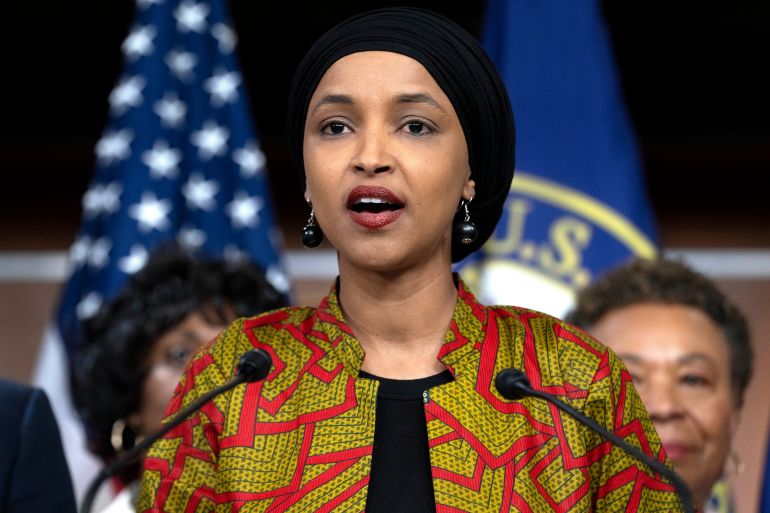
The controversy began when several prominent news outlets published stories claiming that the government of Somaliland had called for the extradition of Congresswoman Ilhan Omar. Fox News, the New York Post, Sinclair Broadcast Group's The National News Desk, and The Independent all ran variations of this story. The reports centered on a post from an X account named @RepOfSomaliland, which responded to allegations made by Senator JD Vance that Omar had committed immigration fraud.
The @RepOfSomaliland account posted: "Deportation? Please you're just sending the princess back to her kingdom. Extradition? Say the word ..." This single social media post, presented without proper verification, became the foundation for multiple news stories suggesting an official government position. The critical failure in this reporting chain was the lack of verification regarding the account's authenticity.
Official Clarification and Account Authentication
Contrary to the implications in the news reports, @RepOfSomaliland is not an official government channel. Somaliland's Ministry of Foreign Affairs had publicly addressed this issue months before the controversy, stating in December that they had "begun identifying social media accounts that are NOT official Government of Somaliland channels" and clarifying that such accounts were "not authorized to speak on its behalf."
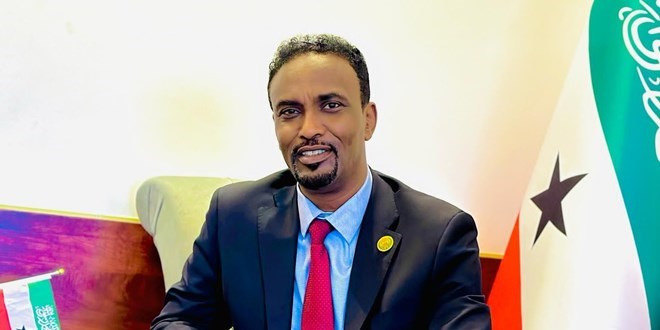
In a statement to The Guardian following the false reports, Somaliland's Ministry of Foreign Affairs reiterated: "We kindly advise that any news or statements be referenced solely from official and authorized channels to ensure the accuracy and reliability of information." This official clarification underscores the importance of source verification in journalism, particularly when reporting on geopolitical matters involving unrecognized states.
Political Context: JD Vance's Accusations
The false reports emerged within a specific political context. They were a reaction to claims made by Senator JD Vance during an interview with conservative influencer Benny Johnson on March 28. In that interview, Vance asserted that Ilhan Omar had "definitely committed immigration fraud against the United States of America" and discussed exploring "legal remedies" with White House immigration adviser Stephen Miller.
Omar's chief of staff, Connor McNutt, dismissed these accusations as "a ridiculous lie and desperate attempt to distract," noting Vance's past admission about being willing to "create stories" to redirect media attention. This pattern of creating controversy around Omar is not isolated but part of a broader strategy of targeting the Minnesota Democrat, who arrived in the US as a refugee at age 12 and became a citizen at 17.
Media Corrections and Accountability
Following the revelation that their source was not an official government account, Fox News issued a correction. The right-wing outlet revised its headline to: "Pro-Somaliland account backs extraditing Ilhan Omar after Vance fraud claim," and added a note acknowledging that "the RepofSomaliland X account is not a verified government account." This correction, while necessary, came after the false information had already circulated widely, demonstrating the challenge of containing misinformation once it enters the news ecosystem.

Broader Implications and Historical Patterns
This incident is not the first time Ilhan Omar has been at the center of viral misinformation with Somali connections. In early 2024, a mistranslated clip of one of her speeches spread online, with right-wing figures falsely accusing her of declaring herself "Somalian first." These incidents occur against a backdrop of escalating rhetoric targeting Minnesota's Somali community and Somalia itself from the highest levels of government.
The Minnesota chapter of the Council on American-Islamic Relations (CAIR) has condemned such rhetoric, with executive director Jaylani Hussein warning that portraying an entire people as intellectually inferior "is not just political rhetoric – it is dehumanization." Omar herself has expressed concern that this climate fuels political violence, noting that people have been incarcerated for threatening her life.
Conclusion: Lessons for Media and Democracy
The false reports about Ilhan Omar's extradition reveal systemic vulnerabilities in how news organizations verify information in the digital age. When mainstream outlets amplify unverified social media posts without proper authentication, they become vectors for misinformation. This case highlights the particular vulnerability of immigrant politicians to targeted disinformation campaigns and the real-world consequences of such rhetoric.
For media organizations, the lesson is clear: rigorous source verification must precede publication, especially when reporting involves geopolitical complexities like Somaliland's unrecognized status. For the public, this incident serves as a reminder to consume news critically and verify information through multiple authoritative sources. In an increasingly polarized information environment, the integrity of our democratic discourse depends on such vigilance.