Engineered Yeast Superfood Sparks 15-Fold Boom in Honeybee Colonies
A breakthrough from the University of Oxford offers a lifeline to global honeybee populations. Scientists have engineered a yeast-based 'superfood' that provides the essential nutrients bees are missing from modern pollen. In controlled trials, colonies fed this diet produced up to 15 times more young, demonstrating a dramatic reversal of nutritional decline. As climate change and intensive agriculture reduce natural forage, this scalable, lab-made supplement could become a critical tool for beekeepers and food security worldwide.
The global decline of honeybee populations poses a direct threat to food security and ecosystem stability. A landmark study published in Nature by researchers from the University of Oxford, Royal Botanic Gardens Kew, and partner institutions has unveiled a potential solution: a nutritionally complete, lab-engineered superfood for bees. This innovation addresses a core problem—nutritional deficiency—by using synthetic biology to produce the precise sterols bees need to thrive.
The Critical Nutrient Gap in Modern Bee Diets
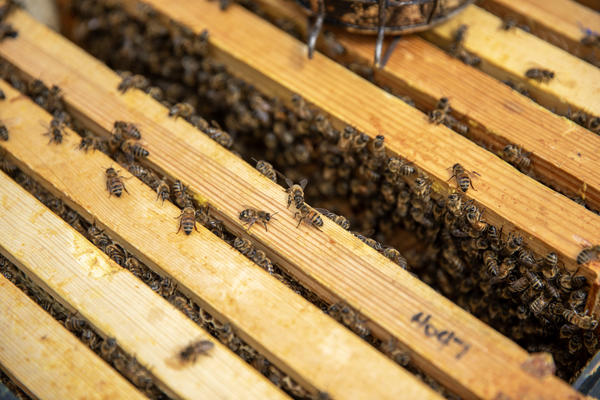
Honeybees rely entirely on pollen for essential lipids called sterols, which are critical for larval development, growth, and overall colony health. However, as detailed in the University of Oxford study, climate change and modern monoculture farming have drastically reduced the diversity and availability of flowering plants. This leaves bees foraging on nutritionally incomplete sources. Beekeepers often supplement with artificial feeds made from protein flours and sugars, but these lack the specific sterols, leaving colonies in a state of chronic malnutrition that weakens their resilience to other stressors like disease and pesticides.
Engineering a Molecular Solution with Yeast
The research team identified the exact nutritional shortfall by meticulously analyzing bee tissues. They pinpointed six key sterols—including 24-methylenecholesterol and β-sitosterol—that are fundamental to bee biology. The breakthrough came in using CRISPR-Cas9 gene-editing to engineer the yeast Yarrowia lipolytica. This yeast, chosen for its lipid-producing capabilities and food-safe status, was programmed to biosynthesize the complete suite of required sterols. The yeast is grown in bioreactors and dried into a powder, creating a scalable supplement that can be mixed into existing bee feeds.

Dramatic Results from Controlled Trials
The efficacy of the engineered diet was tested in rigorous glasshouse experiments over three months, where bees could only access the provided feed. The results were unprecedented. Colonies receiving the sterol-enriched yeast supplement produced up to 15 times more larvae that successfully developed to the pupal stage compared to colonies on conventional diets. Furthermore, these supplemented colonies continued brood rearing throughout the entire study, while unsupplemented colonies ceased reproduction after approximately 90 days. The nutritional profile of the larvae from the test group matched that of bees fed natural pollen, confirming the supplement's biological equivalence.
Implications for Agriculture and Ecosystem Health
The potential impact of this technology is vast. Honeybees are indispensable, pollinating over 70% of major global crops. With annual colony losses in the U.S. sometimes exceeding 50%, tools to bolster bee health are urgently needed. As Professor Geraldine Wright, senior author of the study, stated, this work demonstrates how synthetic biology can solve real-world ecological challenges. The supplement could strengthen managed colonies, ensuring reliable pollination for agriculture. Importantly, as co-author Professor Phil Stevenson noted, by providing a complete diet to managed honeybees, pressure on limited wildflower resources could decrease, potentially benefiting wild bee species through reduced competition.

The Path Forward for Beekeepers and Conservation
Industry experts like Danielle Downey of Project Apis m. have hailed the discovery as a potential game-changer for beekeeping businesses and food production resilience. The next critical step is moving from controlled environments to large-scale field trials to validate long-term benefits under real-world conditions. If successful, the supplement could be available to beekeepers within a few years. Furthermore, the underlying platform of precision fermentation could be adapted to create tailored nutritional supports for other vital pollinators or farmed insects, opening new avenues for sustainable agriculture. This innovation represents a powerful convergence of biotechnology and ecology, offering a tangible tool to help secure our food systems and support biodiversity.