Read on nature.com
The History of 'Forever Chemicals' Preserved in Antarctic Snow
Antarctic ice cores reveal a detailed history of persistent pollutants known as PFASs, or 'forever chemicals,' that have reached even the most remote corners of our planet. Recent scientific research analyzing snow across the continent provides unprecedented insight into the long-term environmental contamination by these substances that do not break down naturally. This article examines how Antarctic snow serves as a crucial environmental archive, documenting the global spread of industrial chemicals and offering valuable data for understanding their persistence and impact on pristine ecosystems.
The pristine white landscapes of Antarctica, long considered one of Earth's last untouched frontiers, now hold a disturbing record of human industrial activity. Recent scientific analysis has revealed that the continent's snow contains persistent pollutants known as PFASs—commonly called 'forever chemicals' because they do not break down naturally in the environment. This discovery provides crucial insight into how these industrial substances have spread globally, reaching even the most remote corners of our planet.
Antarctic Snow as Environmental Archive
Antarctica's ice sheet serves as a remarkable environmental archive, preserving layers of snowfall that date back thousands of years. Each layer contains atmospheric particles and chemical compounds present at the time of deposition, creating a chronological record of Earth's environmental conditions. Scientists have now utilized this natural archive to trace the history of PFAS contamination, analyzing snow samples collected from across the continent to understand when and how these chemicals reached Antarctica.
The research, published in Scientific Advances, represents some of the most comprehensive observations of PFAS levels in Antarctica to date. By examining snow layers, researchers can determine not only the presence of these chemicals but also their historical concentrations, providing valuable data about their global distribution patterns over time.
Understanding 'Forever Chemicals'
PFASs (per- and polyfluoroalkyl substances) are a group of synthetic chemicals that have been widely used in industrial applications and consumer products since the 1940s. Their unique chemical structure, characterized by strong carbon-fluorine bonds, makes them resistant to heat, water, and oil—properties that have made them valuable in products ranging from non-stick cookware and waterproof clothing to firefighting foams and food packaging.
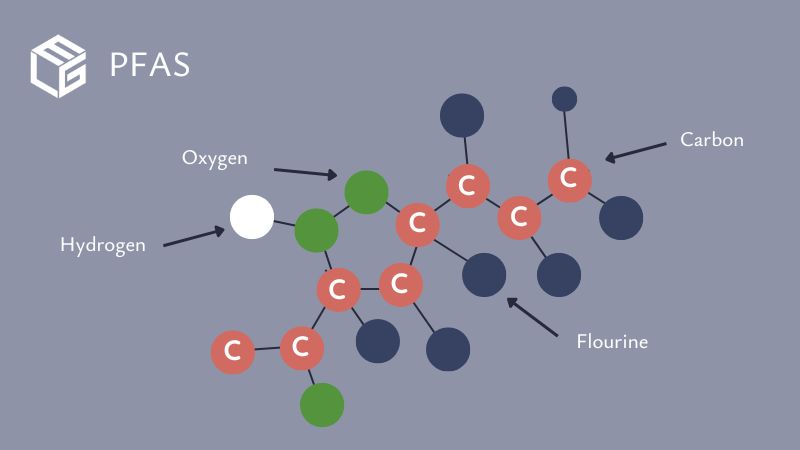
This same chemical stability that makes PFASs useful in industrial applications also makes them persistent environmental contaminants. Unlike most organic compounds that break down over time through natural processes, PFASs can remain in the environment for decades or even centuries, earning them the nickname 'forever chemicals.' Their persistence, combined with their ability to travel long distances through air and water currents, explains how they have reached remote locations like Antarctica.
Global Transport Mechanisms
The presence of PFASs in Antarctic snow demonstrates the effectiveness of global atmospheric transport mechanisms. These chemicals can evaporate from contaminated sites in industrial regions and travel through the atmosphere for thousands of miles before being deposited in precipitation. The polar regions act as 'cold traps' where chemicals tend to accumulate due to temperature differences and atmospheric circulation patterns.
Research indicates that PFASs reach Antarctica through both direct atmospheric deposition and through ocean currents that eventually release the chemicals into the air through sea spray. Once deposited in Antarctic snow, these chemicals become preserved in the ice sheet, creating a permanent record of global contamination that scientists can analyze to understand historical trends in industrial chemical use and environmental impact.
Scientific Implications
The analysis of PFASs in Antarctic snow provides scientists with several important insights. First, it offers a baseline for understanding the extent of global contamination by these persistent pollutants. Second, it helps researchers track changes in chemical production and use over time by examining concentration trends in different snow layers. Finally, it contributes to our understanding of how chemicals move through Earth's systems and accumulate in remote environments.
Environmental and Health Concerns
The discovery of PFASs in Antarctica raises significant environmental concerns. These chemicals have been linked to various health issues in humans and wildlife, including developmental problems, immune system effects, and increased cancer risk. Their presence in Antarctica indicates that no ecosystem on Earth remains untouched by industrial chemical contamination, highlighting the need for better regulation and management of persistent pollutants.
Antarctica's unique ecosystem, which includes specialized species adapted to extreme conditions, may be particularly vulnerable to chemical contamination. The long-term effects of PFAS accumulation in polar regions are not yet fully understood, but scientists emphasize the importance of continued monitoring and research to assess potential impacts on Antarctic wildlife and broader environmental health.
Future Research Directions
The research on PFASs in Antarctic snow opens several avenues for future scientific investigation. Scientists plan to expand sampling efforts to cover more areas of the continent and to analyze deeper ice cores that contain older snow layers. This will provide a longer historical record of PFAS contamination and help identify when these chemicals first began reaching Antarctica.
Additionally, researchers aim to study how PFASs move through Antarctic ecosystems once deposited, including their potential accumulation in local wildlife and their effects on microbial communities in snow and ice. Understanding these pathways will be crucial for assessing the full environmental impact of these persistent pollutants in polar regions.
Conclusion
The history written in Antarctic snow tells a sobering story of global chemical contamination. The presence of 'forever chemicals' in one of Earth's most remote environments demonstrates the far-reaching consequences of industrial activity and the persistence of synthetic compounds in our planet's systems. As scientific research continues to uncover the extent of PFAS contamination in Antarctica and other remote regions, it underscores the urgent need for international cooperation in regulating persistent pollutants and developing safer alternatives.
Antarctica's ice sheet, once considered a pristine wilderness, now serves as both a warning and a valuable scientific resource. By studying the chemical history preserved in its snow, researchers gain crucial insights into the global transport and persistence of industrial contaminants—knowledge that will be essential for protecting both polar ecosystems and global environmental health for generations to come.