Read on the Guardian
Sudan's Civil War Escalates: Drone Strikes Kill 28 Civilians as Conflict Nears Fourth Year
At least 28 civilians were killed in two separate drone strikes in Sudan, marking a grim escalation as the country's brutal civil war approaches its fourth anniversary. A strike on a market in North Darfur killed 22 people, while another attack on a civilian truck in North Kordofan claimed six lives. The conflict between the Sudanese army and the paramilitary Rapid Support Forces has displaced over 11.6 million people, creating what aid organizations describe as the world's worst humanitarian crisis, with millions facing famine and atrocities continuing to mount.
The civil war in Sudan has entered a particularly deadly phase as drone warfare increasingly targets civilian populations, with recent attacks claiming at least 28 lives in separate incidents across the country. As the conflict between the Sudanese Armed Forces (SAF) and the paramilitary Rapid Support Forces (RSF) approaches its fourth year, the humanitarian situation continues to deteriorate dramatically, with millions displaced and facing starvation. This analysis examines the latest escalation in violence, the broader context of the conflict, and the devastating human cost of what has become one of the world's most severe humanitarian crises.
The Recent Drone Attacks on Civilian Targets
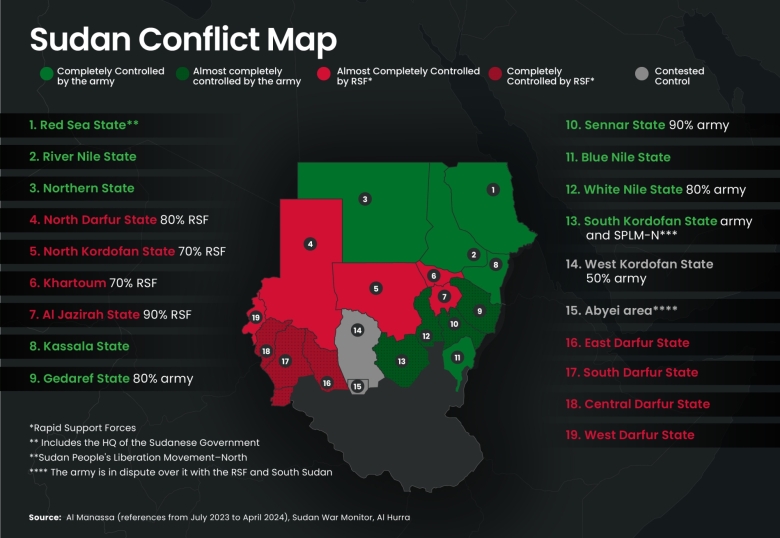
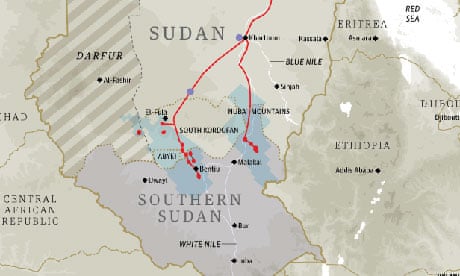
On Wednesday, March 26, 2026, two separate drone strikes targeted civilian areas in different regions of Sudan, resulting in significant loss of life. The first attack hit a market in the town of Saraf Omra, located in North Darfur state close to the border with Chad. According to health workers at the local clinic, this strike killed 22 people, including an infant, and injured 17 more. A trader at the market, Hamid Suleiman, reported that the drone struck a parked oil truck, which then caught fire and spread to part of the market area.
The second attack occurred in North Kordofan state, approximately 500 miles east of Darfur. A drone struck a truck carrying civilians on a highway in an army-controlled area. A source at the hospital in the town of El Rahad reported that six bodies arrived at the facility, three of them charred, along with ten wounded individuals. This particular highway, which runs east to west through the state capital El Obeid and onward to Darfur, has been the subject of numerous drone attacks from both the army and the RSF throughout the conflict.
Context: Sudan's Civil War and Humanitarian Crisis
The civil war in Sudan began on April 15, 2023, when a power struggle between the Sudanese army and the Rapid Support Forces paramilitary group spiraled into open conflict in the capital, Khartoum. Since that time, the violence has spread across multiple regions of the country, with particularly intense fighting in Darfur and Kordofan. The conflict has created what aid organizations have described as the world's worst humanitarian crisis, with more than 11.6 million people displaced from a population of approximately 51 million.
The human cost of the conflict is staggering. Estimates of the number killed range from tens of thousands to more than 400,000 people. In one particularly horrific incident in October 2025, more than 10,000 people are believed to have been massacred by the RSF in El Fasher over just two days. The United Nations has reported that the number of civilians killed in drone strikes has increased significantly in 2026, particularly in the Kordofan region. According to Marta Hurtado, spokesperson for the UN High Commissioner for Human Rights, more than 500 people were killed by drones between January 1 and March 15, 2026 alone.
The Escalation of Drone Warfare
Drone technology has become an increasingly prominent feature of the Sudanese civil war, with both sides utilizing unmanned aerial vehicles for reconnaissance and attack missions. The use of drones against civilian targets represents a particularly concerning development in the conflict's evolution. On March 20, 2026, just days before the recent attacks, a drone strike on a hospital in East Darfur killed 64 people and wounded 89 others, according to the World Health Organization. The Sudanese group Emergency Lawyers, which documents civil war atrocities, attributed this attack to an army drone.
The strategic highway connecting El Obeid to Darfur has become a frequent target for drone attacks, creating extreme danger for civilians attempting to travel or transport goods. This disruption of transportation routes has exacerbated the humanitarian crisis by making it more difficult to deliver aid to affected populations. The inability to clearly attribute many drone attacks to specific parties further complicates accountability efforts and peace negotiations.

International Response and Future Outlook
The international community has struggled to respond effectively to the crisis in Sudan. Despite repeated warnings from humanitarian organizations and documented evidence of atrocities, meaningful intervention has been limited. The conflict has created massive displacement both within Sudan and across borders, with neighboring countries including Chad, South Sudan, Egypt, and Ethiopia hosting significant numbers of refugees. The World Food Programme has warned that huge swathes of Sudan are at risk of famine, with agricultural production severely disrupted by the fighting.
As the conflict approaches its fourth anniversary, there appears to be little prospect for a near-term resolution. Both the Sudanese army and the RSF have demonstrated continued commitment to military solutions rather than diplomatic negotiations. The increasing use of drone technology against civilian targets suggests that the violence may continue to escalate in sophistication and lethality. Without significant international pressure and a renewed commitment to peace negotiations from the warring parties, the people of Sudan face continued suffering and displacement.
The recent drone attacks that killed 28 civilians represent more than just another tragic episode in Sudan's long-running conflict—they symbolize the normalization of violence against non-combatants in a war that has already created unimaginable suffering. As the civil war approaches its fourth year with no end in sight, the international community faces urgent questions about its responsibility to protect vulnerable populations and prevent further atrocities. The people of Sudan deserve more than expressions of concern; they need concrete action to stop the violence, deliver humanitarian assistance, and create conditions for a sustainable peace that addresses the root causes of this devastating conflict.