Read on bbc.com
Fuel Crisis in Africa: How Nations Are Coping with Supply Disruptions
The war in Iran has triggered a significant fuel crisis across Africa, disrupting oil supplies and causing price spikes. Countries from South Sudan to Mauritius are implementing emergency measures including electricity rationing, fuel dilution, and sector prioritization to manage shortages. While some nations face severe economic strain, others like South Africa and Nigeria may see potential benefits from new shipping routes and increased oil revenues. This article examines the diverse impacts and adaptive strategies across the continent as governments and citizens navigate this unfolding energy challenge.
The conflict in Iran has sent shockwaves through global energy markets, with African nations experiencing particularly acute disruptions to their oil supplies. As traditional shipping routes become unstable and fuel prices surge, governments across the continent are scrambling to implement emergency measures to prevent economic collapse and maintain basic services. This developing crisis highlights Africa's vulnerability to global geopolitical tensions and its complex relationship with fossil fuel dependencies.
Immediate Crisis Responses Across the Continent
African governments have adopted varied approaches to manage the sudden fuel shortages. These emergency measures reflect both the severity of local impacts and the differing capacities of national energy infrastructures. From power rationing to fuel composition changes, the responses demonstrate a continent grappling with an external shock to its energy systems.
Power Rationing and Electricity Management
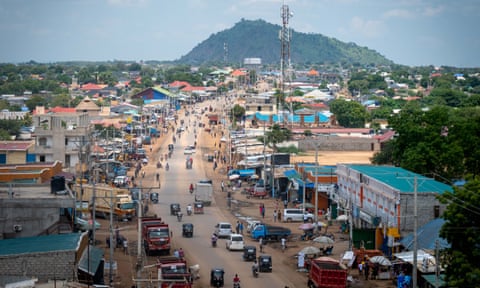
South Sudan has implemented rotational power cuts in its capital, Juba, as reported by the BBC. The city's main electricity distributor, Jedco, announced that parts of the city would experience daily power cuts due to the need to "proactively manage its available energy reserves." This comes despite South Sudan having some of East Africa's largest oil reserves, as most is exported while the country imports refined products needed for fuel generation.
Mauritius faces an even more dire situation, with the government declaring an energy emergency after a scheduled oil shipment failed to arrive. The island nation reportedly had only 21 days of fuel stock remaining. Energy Minister Patrick Assirvaden confirmed that alternative supplies had been secured from Singapore, though at significantly higher costs that will inevitably be passed to consumers and businesses.

Fuel Composition and Distribution Controls
Zimbabwe has taken the innovative approach of increasing ethanol content in petrol from 5% to 20%, attempting to stretch limited fuel supplies through blending. The government has also announced plans to scrap some taxes on fuel imports to mitigate price increases that have reached 40% in less than a month. These measures come as street vendors like Nicole Mazarura report that transport costs have doubled, squeezing already thin profit margins.
Ethiopia has implemented sector-based prioritization, ordering fuel companies to allocate resources first to security institutions, major government projects, key industries, and essential goods manufacturing. The Ethiopian Oil and Energy Authority's measures include prioritizing public transport at petrol stations while imposing restrictions to conserve overall fuel consumption.
Economic Impacts and Business Disruptions
The fuel crisis extends beyond household inconveniences to threaten entire economic sectors. Kenya's floriculture industry, a significant export earner, has been particularly hard hit. The Kenya Flower Council reported losses exceeding $4.2 million over three weeks, with one farm manager noting they were discarding almost 50% of their usual 450,000 daily stem exports due to shipping problems and declining Middle Eastern demand.
Transportation costs have surged across affected nations, creating ripple effects throughout local economies. The Kenya Ports Authority has responded by prioritizing perishable exports like tea, flowers, and avocados for maritime routes that have become longer due to diversions around conflict zones. These extended shipping times increase costs and reduce product freshness, further damaging export competitiveness.

Potential Beneficiaries and Regional Variations
Not all African nations face uniformly negative impacts from the crisis. South African ports including Cape Town, Durban, and Maputo may benefit from increased shipping traffic as vessels avoid the Red Sea and Strait of Hormuz, opting instead for the longer route around the Cape of Good Hope. Timothy Walker, Senior Researcher at the Institute for Security Studies, notes that these ports could see increased demand for resupply services as ships take the alternative route.
Nigeria, as Africa's second largest oil producer, stands to gain from higher global oil prices. The country has offered to increase production to help meet global demand. However, economist Dumebi Oluwole cautions that while government and oil companies may earn more revenue, "ordinary people may not feel the benefit immediately because if international petrol prices rise, transport costs increase everywhere."
Government Reassurances and Market Interventions
Several governments have attempted to calm public concerns through official statements and market interventions. Uganda has assured citizens that measures are being taken to ensure sufficient fuel supplies while warning distributors against price increases. South Africa's government issued a statement confirming that "fuel supply remains stable in the immediate term" and discouraging panic buying, while acknowledging that prolonged conflict could affect future availability and prices.
Kenya's energy ministry has taken a more confrontational approach, denying fuel shortages exist while accusing retailers of hoarding in anticipation of higher prices. Minister Opiyo Wandayi urged citizens to avoid panic buying, even as petroleum associations reported that 20% of stations were experiencing supply shortages due to increased demand.
Longer-Term Implications and Adaptive Strategies
The current crisis may accelerate shifts toward alternative energy sources across Africa. In South Sudan, electrical engineer Ereneo Mogga reports that some businesses and households are switching to solar power despite high initial costs, recognizing that it "costs less in terms of consumption" over time. This trend toward renewable energy adoption could gain momentum as fuel reliability concerns persist.
Regional cooperation may also strengthen as nations recognize shared vulnerabilities. The diversion of shipping routes around southern Africa creates opportunities for port infrastructure development and regional supply chain optimization. However, these potential benefits must be balanced against the immediate economic pain being experienced by businesses and consumers across the continent.

The African fuel crisis triggered by the Iran conflict reveals both the continent's vulnerabilities and its adaptive capacities. While emergency measures provide temporary relief, they also highlight the need for more diversified energy strategies and greater regional resilience planning. As global geopolitical tensions continue to disrupt traditional supply chains, African nations must balance immediate crisis management with longer-term energy security investments to protect their economies and citizens from future shocks.