Protests Erupt Outside New York Court as Maduro Faces US Narcoterrorism Charges
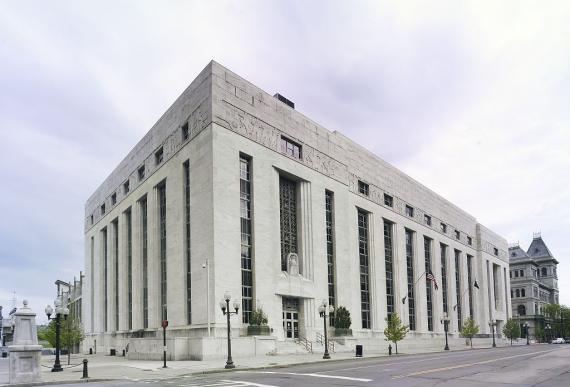
Protests erupted outside a New York courthouse as supporters and opponents of former Venezuelan leader Nicolás Maduro gathered ahead of his hearing. Maduro and his wife, abducted by the United States in January 2026, face serious narcoterrorism charges. The case has drawn significant international attention and highlights the complex geopolitical tensions between the US and Venezuela. This article examines the legal proceedings, the nature of the charges, and the public reaction unfolding on American soil.
The intersection of international law, geopolitics, and public protest converged outside a New York courthouse as supporters and opponents of former Venezuelan leader Nicolás Maduro gathered ahead of a critical hearing. According to reports from Al Jazeera, the demonstrations marked a significant moment in a case that has escalated long-standing tensions between the United States and Venezuela. Maduro and his wife were reportedly abducted by US authorities in January 2026 and now face narcoterrorism charges, setting the stage for a landmark legal and diplomatic confrontation.
The Legal Case Against Nicolás Maduro
The core of the proceedings revolves around narcoterrorism charges brought by the United States government. These charges represent one of the most serious accusations the US legal system can levy against a foreign head of state, alleging that Maduro's administration facilitated drug trafficking operations that supported terrorist activities. The case's foundation stems from years of US allegations that high-ranking Venezuelan officials conspired with Colombian drug cartels, using the country's institutions to traffic cocaine to the United States and Europe.
The method of Maduro's appearance in US custody—described as an abduction in the Al Jazeera report—adds a layer of extraordinary controversy. This action bypasses traditional extradition processes and raises profound questions about international sovereignty and the reach of US jurisdiction. Legal experts anticipate that Maduro's defense will challenge the very legitimacy of the court's authority to try a former head of state apprehended in such a manner, potentially arguing it constitutes a violation of international law.

Dueling Protests: A Microcosm of Political Division
The scene outside the courthouse was a vivid display of the deep polarization surrounding Maduro's legacy. On one side, supporters of the former leader, many from the Venezuelan diaspora, gathered to denounce what they view as a politically motivated kidnapping and an illegitimate prosecution by a hostile foreign power. Their chants and signs framed the case as an act of US imperialism, an extension of long-standing economic sanctions and political pressure aimed at regime change in Caracas.
Conversely, groups of opponents, including Venezuelan exiles who fled the country's economic and humanitarian crisis, rallied to celebrate Maduro's prosecution. For them, the hearing represents a long-awaited moment of accountability for a leader they hold responsible for corruption, authoritarianism, and the collapse of Venezuela's economy and public services. The charged atmosphere between these two groups required a significant police presence to maintain order, underscoring the case's emotional weight for the Venezuelan community abroad.
Geopolitical Implications and International Reaction
This case extends far beyond a courtroom in New York; it is a flashpoint in US-Venezuela relations. The Venezuelan government has consistently labeled Maduro's detention as an illegal act of aggression. The proceeding is likely to further destabilize diplomatic channels and could trigger retaliatory measures from Caracas. Other nations, particularly those in Latin America and among the BRICS alliance, are watching closely, as the US action sets a precedent for the extraterritorial prosecution of foreign leaders.
The legal strategy employed by the US Department of Justice will be scrutinized worldwide. A successful prosecution could embolden similar actions against other leaders accused of international crimes, while an acquittal or a case dismissed on jurisdictional grounds would be seen as a significant setback. The outcome will influence international norms regarding sovereignty, justice, and the limits of unilateral enforcement actions.
Conclusion: A Test of Law and Diplomacy
The protests outside the New York courthouse are merely the visible tip of a deep and complex iceberg. The case against Nicolás Maduro is not just a criminal trial; it is a profound test of international legal principles, a catalyst for diaspora mobilization, and a pivotal event in Western Hemisphere geopolitics. As the legal arguments unfold inside the courtroom, the world will be judging not only the evidence against Maduro but also the process that brought him there. The final verdict will have lasting repercussions for US foreign policy, international justice, and the future of Venezuela itself.