 Read on cbsnews.com
Senate Approves DHS Funding After Airport Chaos, But Key Agencies Remain Unfunded
In the early hours of Friday, the U.S. Senate unanimously approved funding for most of the Department of Homeland Security, aiming to resolve a 42-day partial government shutdown that had caused massive security lines and wait times at airports nationwide. The breakthrough came after intense pressure mounted due to Transportation Security Administration officers working without full pay for over a month, leading to nearly 500 resignations and widespread callouts. However, the funding measure notably excludes Immigration and Customs Enforcement and parts of Customs and Border Protection, a key Democratic demand. The legislation now heads to the House of Representatives for final approval.
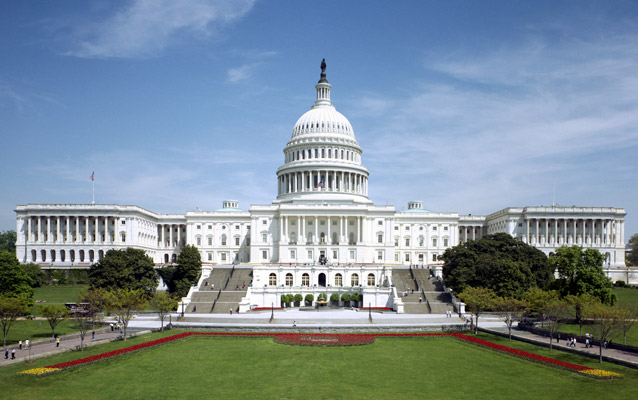
In a dramatic pre-dawn vote, the U.S. Senate moved to end a crippling 42-day partial government shutdown that had paralyzed airport security operations across the country. Shortly after 2 a.m. on Friday, senators approved by unanimous consent a measure to fund the majority of the Department of Homeland Security (DHS), a critical step toward restoring normalcy to the nation's aviation system. The decision followed a day of intense political maneuvering and came hours after President Donald Trump announced he would sign an executive order to resume pay for unpaid TSA officers.
The Breaking Point: Airport Chaos and Unpaid Workers
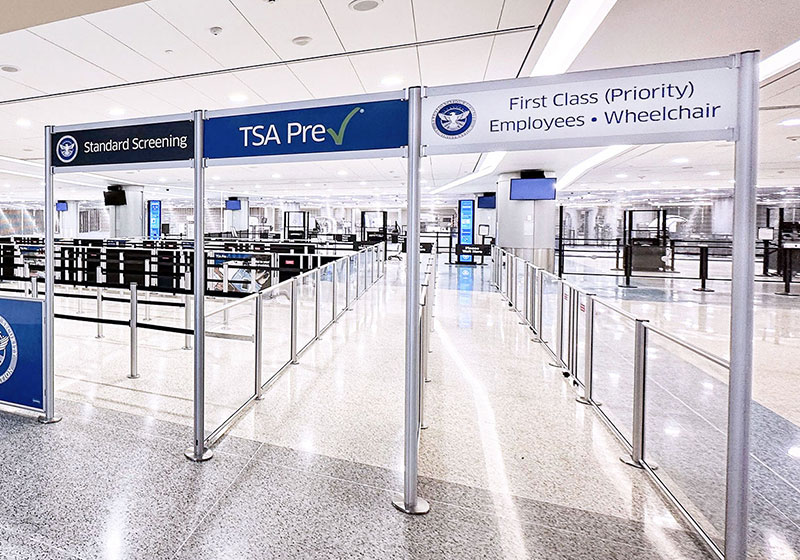
The funding impasse reached a critical juncture as Transportation Security Administration (TSA) officers entered their second month without full paychecks. According to reports from CBS News, the financial strain led nearly 500 TSA officers to quit their positions, while a "skyrocketing number" of others called out of work. This staffing crisis resulted in massive security lines and extended wait times at airports nationwide, creating visible public pressure on lawmakers to find a resolution. The TSA, a vital component of DHS responsible for aviation security, became the public face of the shutdown's consequences.
Political Maneuvering and the "Last and Final" Offer
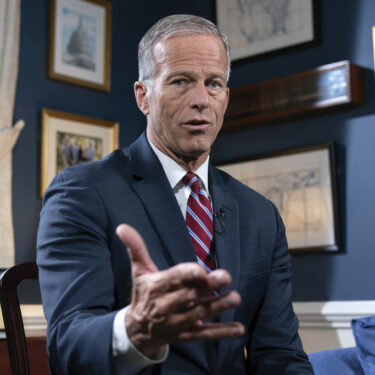
The path to Friday's vote was marked by repeated failures and escalating rhetoric. On Thursday, Senate Majority Leader John Thune told reporters that Republicans had given Democrats their "last and final" offer to end the standoff. This came after the Senate failed for a seventh time to advance DHS funding in a 53-47 vote, with only Democratic Senator John Fetterman crossing party lines. Thune had accused Democrats of "moving the goalposts" daily, stating they initially opposed funding ICE, then demanded both defunding and reforms to the agency. The Republican offer that eventually passed funded all of DHS except for Immigration and Customs Enforcement (ICE) and Border Patrol, meeting a key Democratic condition.
Executive Action and Mounting Pressure
President Trump's announcement on Thursday that he would sign an executive order to "immediately" pay TSA officers altered the political calculus. Thune acknowledged this move "takes the immediate pressure off" but called it a "short-term solution." The administration planned to use funding from last summer's One Big Beautiful Bill Act to cover the wages, a maneuver comparable to Trump's previous decision to pay military members during a shutdown by repurposing Defense Department funds. This executive action, while addressing the most visible symptom, did not resolve the underlying funding dispute that kept most of DHS shuttered.
The Funding Compromise and Remaining Divisions
The measure approved early Friday represents a significant compromise. It funds the bulk of DHS operations but excludes ICE's Enforcement and Removal Operations division and parts of Customs and Border Protection (CBP). Senate Minority Leader Chuck Schumer celebrated the outcome in a floor speech, stating, "Democrats held firm in our opposition that Donald Trump's rogue and deadly militia (referring to ICE) should not get more funding without serious reforms, and we will continue to fight for those." Conversely, Thune suggested Democrats had "kissed that opportunity goodbye" to reform ICE by refusing to fund the agency, highlighting the deep ideological divide over immigration enforcement that underpinned the shutdown.
The Road Ahead: House Approval and Unresolved Issues
While the Senate has acted, the funding measure must still pass the House of Representatives. House Speaker Mike Johnson had previously expressed skepticism about breaking up the DHS funding bill, telling reporters on Thursday, "We have never been in favor of breaking the bill up." When asked if a Senate proposal separating ICE funding could pass the House, Johnson responded, "It's a really good question." The House had already passed legislation to fund the entire DHS through September for a third time on Thursday, but that version was dead on arrival in the Senate. The coming hours will test whether the House will accept the Senate's pared-back approach.
Broader Implications and Systemic Dysfunction
The 42-day shutdown is the latest manifestation of chronic budgetary dysfunction in Washington. Senator Ron Johnson of Wisconsin published an op-ed on Thursday renewing his call to end the legislative filibuster, the 60-vote threshold that has repeatedly stalled the DHS funding bill. He described the Senate as "plaque clogging an artery leading to a heart attack." President Trump also weighed in, urging Republican senators on Truth Social to "TERMINATE THE FILIBUSTER, and get our airports, and everything else, moving again." These calls underscore how recurring shutdowns have eroded confidence in the basic machinery of funding the government.
Conclusion: A Temporary Reprieve with Underlying Tensions
The Senate's early morning vote provides a temporary reprieve from the airport chaos that brought the shutdown's consequences into sharp public focus. It demonstrates that even in a deeply divided political climate, acute practical crises can force compromise. However, the deal leaves fundamental disagreements over immigration enforcement and agency funding unresolved, merely moving the battlefield to the House of Representatives. The exclusion of ICE and parts of CBP from the funding package ensures that the debate over border security and immigration policy will continue, suggesting that this resolution may be more of a pause than an end to the budgetary conflicts that have repeatedly shuttered the government.