China Urges Japan to Correct Mistakes for Normalized Trade Relations
China's Ministry of Commerce has formally called on Japan to reflect on and correct its unspecified mistakes to restore normal economic and trade cooperation. Spokesperson He Yongqian emphasized China's commitment to a high-standard, open business environment during a press briefing, citing positive survey results from Japanese firms operating in China. This diplomatic move underscores the importance of stable bilateral relations for mutual economic benefit, though the specific grievances were not detailed in the public statement.
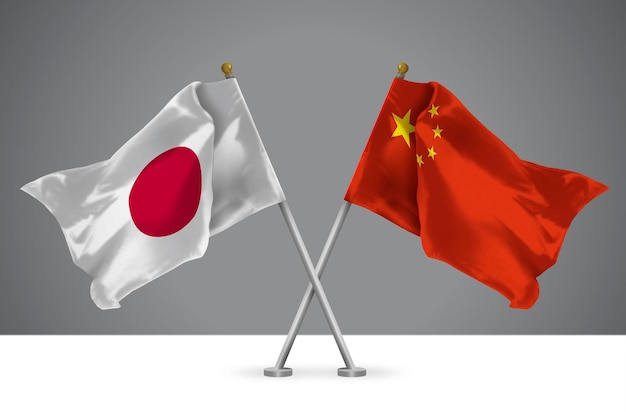
In a significant diplomatic statement, China's Ministry of Commerce has publicly urged Japan to undertake a process of reflection and correction regarding unspecified actions deemed detrimental to bilateral relations. The call, made by spokesperson He Yongqian during a regular press conference in Beijing on March 26, 2026, aims to clear obstacles and "pave the way for normal economic and trade cooperation" between the two Asian economic powers. This development highlights ongoing tensions within a critical trade relationship that impacts global supply chains and regional stability.

The Official Statement and Its Context
The spokesperson's remarks, as reported by CGTN, did not specify the exact nature of the "mistakes" Japan is being asked to address. However, the language suggests a continuation of diplomatic friction that requires resolution before full economic engagement can resume. He Yongqian framed China's position as one committed to "high-standard opening up" and the creation of a "market-oriented, law-based, and internationalized first-class business environment." This reaffirmation of China's economic principles serves as both an assurance to international businesses and a benchmark against which Japan's actions are being measured.
Japanese Business Sentiment in China
Interestingly, the Chinese spokesperson cited recent survey data to counter any narrative of a deteriorating business climate. He referenced the latest findings from the Japanese Chamber of Commerce and Industry in China, which indicated that Japanese enterprises operating within China generally report "sound business conditions" and maintain "high satisfaction with China's business environment." Furthermore, the survey suggested these companies plan to continue deepening their investment and operational presence in the Chinese market. This reference appears strategically chosen to separate business realities from political disagreements, suggesting that the commercial foundation for cooperation remains strong despite the diplomatic impasse.

The Importance of Stable Sino-Japanese Relations
The core argument presented by the Ministry of Commerce is that "stable and healthy economic and trade relations between China and Japan serve the shared interests of both peoples." China and Japan represent the world's second and third-largest economies, respectively. Their bilateral trade relationship is worth hundreds of billions of dollars annually and is deeply integrated across sectors like automotive, electronics, and machinery. Disruptions to this relationship have far-reaching consequences for regional economic stability and global manufacturing networks. The call for normalization is therefore rooted in significant mutual economic dependency.
Path Forward and Implications
The ball now appears to be in Japan's court regarding the next steps. The Chinese statement is a public diplomatic gesture that likely corresponds with private communications. For normal trade cooperation to resume, Japan would need to engage in the requested reflection and take corrective measures satisfactory to Chinese authorities. The outcome of this process will be closely watched by other nations and multinational corporations with interests in the Asia-Pacific region, as it may set a precedent for how China manages economic disputes with key partners. The emphasis on a rules-based, internationalized environment suggests China is positioning itself as the reasonable party upholding global trade norms.
In conclusion, China's public urging of Japan to correct its course represents a calculated move to address bilateral friction while publicly reinforcing its commitment to an open business climate. By coupling the demand with positive data from Japanese businesses themselves, China aims to present a pragmatic case for resolution. The stability of East Asian trade hinges on the ability of these two economic giants to manage their disagreements and maintain functional cooperation. The international community will monitor Japan's response and the subsequent evolution of this critical economic partnership.