Read on France 24
Paris Mayoral Race: A Political Turning Point After the Hidalgo Era
Paris stands at a political crossroads as it prepares for a pivotal mayoral election, marking the end of Anne Hidalgo's 12-year tenure. The French Socialist Party, which has held City Hall for a quarter-century, faces a significant challenge to retain control. This article explores the key contenders vying to lead the French capital and the broader implications for the city's future direction, governance, and political landscape in a post-Hidalgo era.
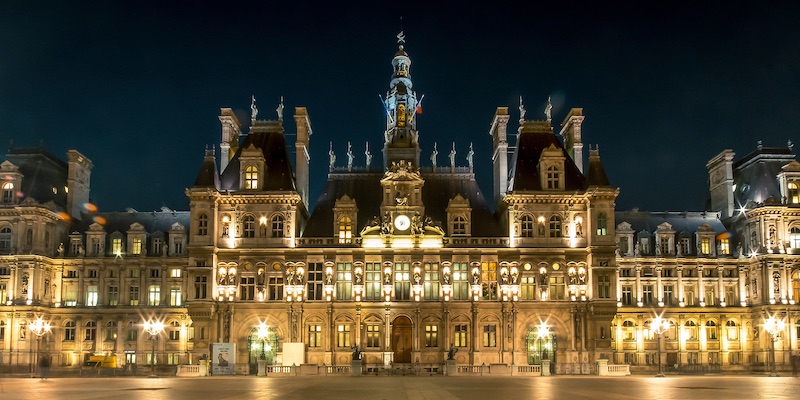
Paris is on the cusp of a significant political transition as the city prepares for a mayoral election that will conclude Anne Hidalgo's 12-year leadership. This election represents a potential turning point, challenging the French Socialist Party's 25-year dominance over City Hall. The outcome will not only determine the city's administrative direction but also signal broader political shifts within France. As reported by France 24, the race is heating up with several prominent figures entering the contest, each promising a new vision for the capital.

The End of an Era: Hidalgo's Legacy
Anne Hidalgo's tenure as Mayor of Paris has been defined by ambitious environmental and urban planning policies. Her administration focused heavily on reducing car traffic, expanding bicycle lanes, and creating pedestrian-friendly spaces, most notably through the "Paris Respire" (Paris Breathes) initiative. This legacy sets a high bar for her successors and frames the electoral debate around the continuity or revision of these green policies. The question for voters is whether to build upon this foundation or chart a substantially different course for the city's development.
Key Contenders in the Race
The field of candidates is shaping up to be highly competitive, featuring figures from across the political spectrum. While the full slate is still formalizing, early contenders include prominent names from both the traditional left and the right. The Socialist Party will aim to present a candidate capable of extending its long hold on power, while opposition parties see this transition as a prime opportunity to gain control of one of Europe's most influential cities. The dynamics of this race are closely watched as a bellwether for national political sentiments.
Challenges for the French Socialist Party
Retaining control of Paris presents a formidable challenge for the Socialist Party. After 25 years in power, the party must combat potential voter fatigue and the desire for change. Its campaign will need to effectively balance defending Hidalgo's record with presenting a fresh, forward-looking agenda that addresses current citizen concerns, which may include housing affordability, public safety, and economic vitality. The party's ability to unite its base and attract centrist voters will be critical to its success in the first round of voting.
Implications for Paris and Beyond
The result of the Paris mayoral election carries significance that extends far beyond municipal governance. As the capital city, Paris's political leadership influences national discourse and policy. A change in administration could signal shifting priorities on issues like urban mobility, climate action, and international diplomacy. Furthermore, the performance of various parties in this high-profile race will be analyzed for clues about their strength ahead of future national elections. The campaign and its outcome will be a major story in French politics, as highlighted by coverage from France 24's Entre Nous.
In conclusion, the upcoming Paris mayoral election is more than a local contest; it is a referendum on a quarter-century of Socialist governance and a decision about the city's future identity. As candidates present their platforms, Parisians will weigh the legacy of the Hidalgo years against promises of renewal. The race promises to be a closely fought and defining moment for the political landscape of the French capital.