Read on the Guardian
Kasasa Island: The Tiny Japanese Paradise Caught in Geopolitical Tensions
Kasasa Island, a remote paradise in Japan's Seto Inland Sea with just seven residents, has become an unexpected focal point in deteriorating Japan-China relations. Known as the 'Hawaii of Japan' for its warm climate and abundant fishing, the island's tranquility has been disrupted by Chinese land purchases near sensitive military installations. This article explores how this tiny community's future has become entangled in broader geopolitical tensions, national security concerns, and debates about foreign land ownership in strategically important areas of Japan.
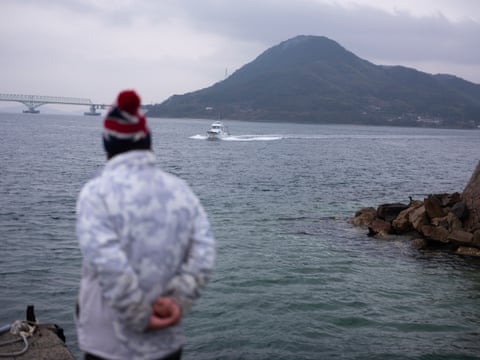
In the misty waters of Japan's Seto Inland Sea lies Kasasa Island, a picturesque haven often called the 'Hawaii of Japan' for its warm climate and stunning coastline. With only seven registered residents, this tranquil retreat might seem an unlikely stage for international drama. Yet Kasasa has become emblematic of the complex and deteriorating relationship between Japan and China, as reported by The Guardian. The island's fate now hangs in the balance between preserving its peaceful way of life and becoming a pawn in broader geopolitical tensions.
The Island's Strategic Location
Kasasa's geographical position makes it more than just a scenic retreat. The island sits at a sensitive spot for national security, located just 20 kilometers from the Iwakuni US Marine Corps airbase and 50 kilometers north of a Japanese Maritime Self-Defence Force base in Kure. This proximity to key military installations has transformed what was once considered merely a fishing paradise into a location of strategic interest.
The island covers less than one square kilometer but occupies a psychologically significant space in regional security discussions. As tensions between Japan and China have escalated, particularly regarding Taiwan, locations like Kasasa have gained attention beyond their physical size. The island represents a microcosm of broader concerns about foreign influence in strategically sensitive areas.
The Chinese Land Purchases
The controversy began when wealthy Chinese developers purchased two plots on Kasasa's southeast coast nearly a decade ago. Initially, residents expected the land would become holiday homes or recreational facilities. However, development only began in earnest late last year when mechanical diggers, cement mixers, and construction equipment arrived by boat.
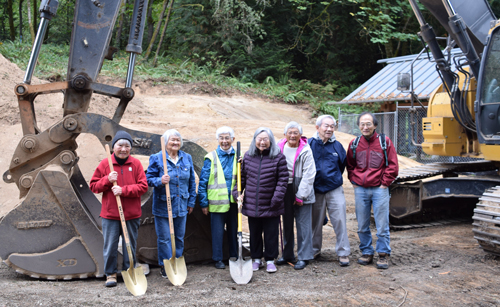
According to documents reviewed by The Guardian, the Chinese investors based in Shanghai had acquired the land through a Japanese real estate company that owns additional plots on the island. While their activities were entirely legal under Japanese law, their intentions remained unclear, with listed possibilities ranging from tourism facilities to restaurants and cruise operations. Attempts to contact the investors were unsuccessful, adding to local uncertainty and speculation.
Resident Concerns and Daily Life
For the island's tiny population, led by 80-year-old Hideya Yagi and his wife Mihoko, the developments have introduced unwelcome uncertainty into their peaceful existence. Yagi, a former construction company president who moved to Kasasa 25 years ago for its exceptional fishing, expresses mixed feelings about the situation.
"I don't care where our neighbors are from," Yagi told The Guardian, "but we still don't know who these people are and what they want to do here. Hardly anyone lives here, so new arrivals could do what they like and we would never know." This sentiment reflects the vulnerability felt by residents who cherish their quiet lifestyle of fishing, gardening, and enjoying the island's natural abundance.
Geopolitical Implications
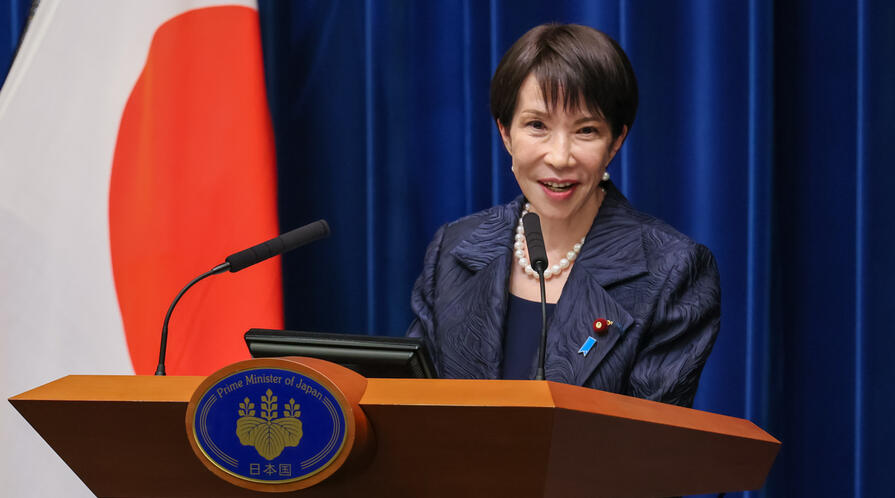
The Kasasa situation has become intertwined with broader Japan-China tensions that have worsened significantly in recent years. Prime Minister Sanae Takaichi's warnings about potential Japanese military involvement in a Taiwan conflict prompted furious responses from Beijing, including export restrictions on dual-use items to Japanese conglomerates supplying Japan's military.
Conservative commentators in Japan have described foreign land purchases as a "silent invasion," with local councillor Takashi Ishikawa claiming Kasasa "could eventually become a Chinese island" that might even serve as a drone base. Such rhetoric has elevated a local land dispute into a national security discussion, reflecting growing anxieties about Chinese ambitions in the region.
Legal and Social Context
Foreign ownership of land in Japan is legally protected, and Chinese investors accounted for nearly half of hundreds of land and real estate acquisitions near locations deemed important for national security in the year ending March last year, according to NHK reports. All these purchases were legal and approved by Japanese regulators.
However, experts like Hiroshi Matsuo, a professor at Keio University Law School, argue that existing laws are sufficient to prevent illegal activity regardless of the property owner's nationality. "Restricting foreigners' ability to acquire property won't solve the problem," Matsuo told The Guardian. "There are effective legal measures in place to deal with illegal development, regardless of whether it's by Japanese or foreign nationals."
Community Response and Preservation Efforts
Local residents and supporters have organized through the Kasasa Island Preservation Association, which aims to buy back the land, protect the island's environment, and attract new residents. The association has already repaired the island's only Shinto shrine as part of efforts to revitalize the community.
Hideki Miyagawa, who helped launch the preservation association, emphasizes that their concerns aren't about discrimination but about transparency and community integration. "This has got nothing to do with discriminating against foreigners," Miyagawa explained. "We just want the government to protect the interests of residents and for new residents to follow the rules."
Broader Pattern of Foreign Investment Concerns
Kasasa is not an isolated case. Across Japan, similar concerns have emerged about foreign investment in land and property. In Fukuoka, western Japan, a landowner abandoned plans to build apartments aimed mainly at Chinese and Taiwanese buyers following resident protests. In Hokkaido, authorities prevented a Chinese national from constructing a villa after unauthorized forest clearing.
These incidents reflect a growing unease about foreign influence, even as Japan faces demographic challenges that might otherwise welcome investment and new residents. The tension between economic needs and security concerns creates complex policy dilemmas for Japanese authorities.
Conclusion: An Uncertain Future
Kasasa Island represents more than just a local land dispute—it embodies the complex intersection of national security, foreign relations, community preservation, and legal rights in contemporary Japan. As the island's residents continue their quiet lives of fishing and gardening, their future remains uncertain, caught between geopolitical forces far beyond their control.
The situation highlights the challenges facing Japan as it navigates relationships with neighboring powers while protecting its sovereignty and communities. For now, Kasasa remains a beautiful but contested paradise, its crystal clear waters and rich fishing grounds serving as both livelihood and metaphor for the clear yet complex issues surrounding foreign investment in strategically sensitive areas.