Architecture as a Mirror of Society: What Our Built Environment Reveals About Us
Architecture is far more than the arrangement of bricks, glass, and steel; it is a profound physical manifestation of a society's values, priorities, and collective identity. The buildings we inhabit, the public spaces we share, and the skylines we create serve as a tangible record of our cultural, economic, and political realities. From the grandeur of government edifices to the intimacy of residential homes, our built environment communicates power, community, innovation, and social stratification. This article explores how architecture functions as a portrait of society, reflecting who we are, what we believe, and the legacy we intend to leave for future generations.
Architecture is not merely about shelter or function; it is a powerful, silent language that narrates the story of a civilization. The structures we build—from humble dwellings to monumental skyscrapers—are direct reflections of our societal values, technological capabilities, economic conditions, and cultural aspirations. They form the physical backdrop of our daily lives, shaping our interactions and subtly influencing our behavior. By examining our built environment, we can decode the priorities, hierarchies, and ideals of the people who created it. This exploration reveals architecture as a dynamic portrait, constantly being redrawn by the forces of history, politics, and human ambition.

The Language of Form and Function
Every architectural decision, from a building's scale to its materials, carries symbolic weight. Grand, imposing structures like capitol buildings or corporate headquarters often communicate power, stability, and authority. Their use of durable materials like stone and marble suggests permanence and legacy. In contrast, transparent glass façades, popular in modern office towers, can symbolize openness, innovation, and corporate transparency. The very layout of a city—whether it features wide, ceremonial boulevards or dense, organic alleyways—speaks volumes about its social organization and historical development. As noted in discussions on platforms like Al Jazeera's Doha Debates, architecture serves as a canvas upon which societal narratives are painted, making the question of its role a vital one for understanding our collective identity.
Reflecting Social Values and Priorities
A society's values are etched into its landscape. The prominence given to different building types reveals what that society holds dear. A city with numerous opulent banks and shopping malls might prioritize commerce and consumerism. One with expansive, accessible parks and libraries demonstrates a commitment to public welfare and education. The design of residential areas also tells a story: gated communities reflect desires for security and exclusivity, while mixed-use, pedestrian-friendly neighborhoods often indicate values of community, sustainability, and social interaction. The allocation of space—how much is dedicated to cars versus people, private property versus public realm—is a direct reflection of societal choices and power dynamics.
Architecture as a Historical Record
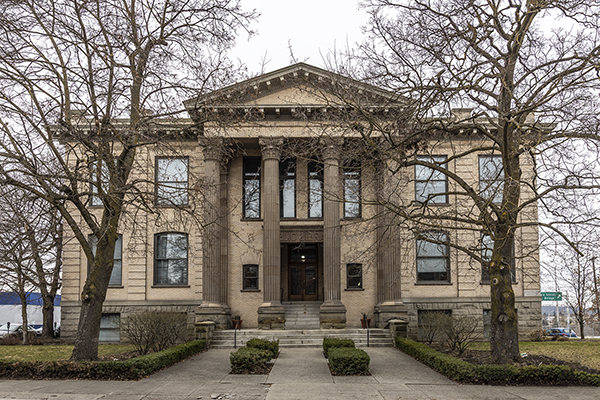
Our cities are palimpsests, with layers of history visible in their architecture. A single street might contain buildings from several centuries, each representing the aesthetic, technological, and social norms of its era. A medieval cathedral speaks of the central role of religion, while a 19th-century factory chimney tells the story of the Industrial Revolution. Brutalist social housing complexes from the mid-20th century reflect post-war ideals of mass provision and modernist planning, for better or worse. This accumulation of styles creates a physical timeline, allowing us to read the economic booms, cultural shifts, and ideological changes that have shaped a community over time. Architecture freezes moments of societal ambition into permanent form.
The Future Portrait: Sustainable and Equitable Design
Today, the most pressing societal challenges—climate change and social inequality—are increasingly dictating architectural trends. The rise of green buildings with solar panels, green roofs, and energy-efficient systems reflects a growing environmental consciousness and a societal imperative to mitigate climate impact. Similarly, the principles of universal design and the creation of inclusive public spaces that are accessible to all, regardless of age or ability, signal an evolving value placed on equity and community belonging. The architecture of the future will be judged by how well it addresses these dual mandates of planetary stewardship and social justice, painting a new portrait of a society that values resilience and inclusivity.
In conclusion, architecture is an undeniable and eloquent portrait of society. It materializes our abstract values, documents our historical journey, and projects our aspirations for the future. From the symbols of power in our capitals to the quest for sustainability in our newest constructions, the built environment is a continuous dialogue between people and place. By becoming more conscious readers of this architectural language, we can better understand the society we have built and make more intentional choices about the one we wish to create. The buildings we leave behind will be the most enduring testimony to who we were.