Read on bbc.com
Italy's Strategic €30m Caravaggio Acquisition: Preserving Cultural Heritage for the Public
In a landmark move to safeguard national treasures, the Italian government has purchased a rare Caravaggio portrait for €30 million. This acquisition of the 1598 painting of Monsignor Maffeo Barberini represents one of the largest sums ever paid by the state for an artwork. The purchase forms part of a deliberate strategy to prevent masterpieces from disappearing into private collections, ensuring they remain accessible to the public and scholars. This article explores Italy's broader cultural preservation project and the significance of keeping such important works within the national heritage system.
In a significant cultural preservation effort, the Italian state has made a strategic €30 million investment to acquire a rare portrait by the Baroque master Caravaggio. This purchase represents more than just an art acquisition—it's a deliberate policy implementation aimed at protecting national heritage from disappearing into private collections. As countries worldwide grapple with preserving cultural artifacts, Italy's approach offers a compelling model for balancing market forces with public access to artistic masterpieces.
The Strategic Acquisition
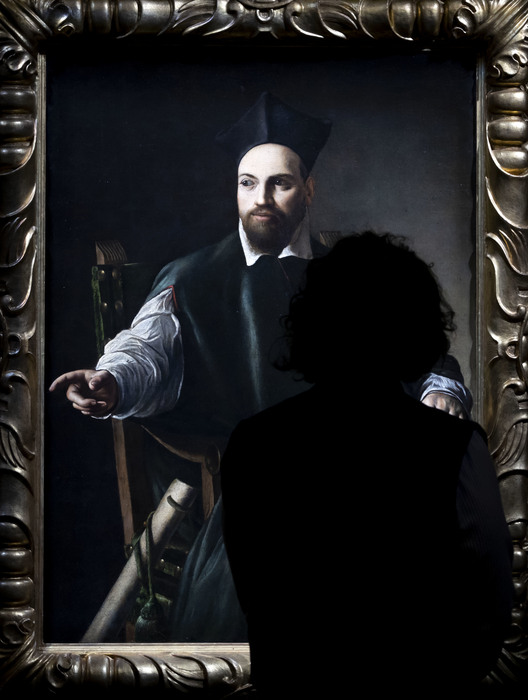
The Italian Ministry of Culture has purchased Caravaggio's portrait of Monsignor Maffeo Barberini, who later became Pope Urban VIII, for €30 million (approximately £25.9 million). This represents one of the largest sums the Italian government has ever paid for a single artwork, signaling the painting's exceptional importance to the nation's cultural heritage. The work, painted around 1598, depicts Barberini as a bearded cleric with his right hand outstretched, apparently issuing instructions—a characteristic example of Caravaggio's ability to capture psychological realism and dramatic presence.
Preservation Strategy and Public Access
Culture Minister Alessandro Giuli emphasized that this acquisition forms part of "a broader project to strengthen the national cultural heritage" that the ministry will continue to pursue in coming months. The primary objective is to "make some art history masterpieces accessible to scholars and enthusiasts that would otherwise be destined for the private market." This strategic approach recognizes that once artworks enter private collections, they often become inaccessible to researchers and the general public, potentially disappearing from scholarly view for generations.

Integration into Public Collections
The newly acquired Caravaggio has been transferred to the permanent collection of the Palazzo Barberini in Rome—the historic home of the Barberini family and therefore the most appropriate location for this portrait. Here it will be displayed alongside other works by the artist, creating a more comprehensive representation of Caravaggio's oeuvre within Italy's public museum system. This thoughtful placement ensures the painting remains connected to its historical context while maximizing its educational and cultural value.
Artistic and Historical Significance
Caravaggio, born Michelangelo Merisi, remains one of art history's most influential figures despite his death at age 38 in 1610. He revolutionized painting through his chiaroscuro technique—the dramatic use of light and shadow to create psychological depth and realism. Of his approximately 65 surviving known works worldwide, only three are portraits, making this acquisition particularly significant for understanding the full range of his artistic output.
Rarity and Importance
The portrait's subject adds another layer of historical importance. Monsignor Maffeo Barberini served as Pope Urban VIII from 1623 until his death in 1644 and was known as a prominent patron of the arts. The painting had been kept in a private collection in Florence and was first shown publicly in Rome in 2024, meaning it had remained largely inaccessible to both scholars and the public for centuries prior to its exhibition.

Broader Cultural Policy Implications
Italy's approach represents a proactive cultural policy that other nations might consider emulating. By allocating significant resources to purchase important works before they enter the private market, governments can ensure that cultural heritage remains part of the public domain. This strategy acknowledges that some artworks hold value beyond their market price—they represent national identity, historical continuity, and educational resources that benefit society as a whole.
Future Directions
Minister Giuli's statement indicates that this Caravaggio acquisition is just the beginning of a sustained effort. The ministry plans to continue pursuing similar acquisitions in coming months, suggesting a systematic approach to cultural preservation rather than isolated purchases. This forward-looking policy recognizes that as art market values continue to rise, the window for public institutions to acquire significant works may be closing, making timely action essential.
Conclusion
Italy's €30 million purchase of Caravaggio's portrait represents a sophisticated approach to cultural preservation that balances fiscal responsibility with heritage protection. By preventing this masterpiece from disappearing into a private collection, the Italian government has ensured it remains accessible for study and public enjoyment. As other nations consider how to protect their cultural heritage in an increasingly globalized art market, Italy's model offers valuable insights into the importance of proactive acquisition strategies and the enduring value of keeping artistic treasures within the public sphere.