Read on PBS News
The Melting Ice: How Climate Change Threatens Greenland's Dog Sled Culture
In the far north of Greenland, a centuries-old way of life is on thin ice. The traditional Inuit practice of dog sledding, a vital cultural and practical cornerstone, is facing an existential threat from rapidly warming temperatures. As winter snow and sea ice fail to form, champion mushers like Jørgen Kristensen find their sleds bouncing over bare earth instead of gliding across frozen landscapes. This article explores the profound impact of climate change on this Arctic culture, the dangerous consequences for hunters and fishermen, and the broader global implications of Greenland's melting ice.
In the Arctic town of Ilulissat, Greenland, a profound silence has replaced a familiar sound: the rhythmic panting of sled dogs and the scrape of runners on hard-packed snow. For the first time in living memory, January arrived without its icy blanket, leaving champion musher Jørgen Kristensen to navigate his sled over rocky, snowless ground. This unprecedented event is not an anomaly but a stark symptom of a rapidly changing climate that is eroding the very foundation of Greenland's traditional Inuit lifestyle. The ancient bond between humans, dogs, and the frozen environment is being severed, threatening a cultural heritage that has endured for over a millennium.

The Disappearing Foundation of a Culture
Dog sledding is far more than a mode of transport in northern Greenland; it is an integral thread in the fabric of Inuit identity, history, and survival. For generations, sled dogs have been partners in hunting and fishing, enabling travel across vast, frozen seascapes to secure food. As reported by the Associated Press, Jørgen Kristensen describes the deep emotional connection, noting the dogs were a "great support" that lifted him up during difficult times. The loss of reliable ice and snow directly attacks this symbiotic relationship. Kristensen now must carry snow for his dogs to drink during journeys, a task previously unnecessary. The emotional toll is heavy, with Kristensen expressing fear that losing dog sledding means losing large parts of their culture.
Consequences for Livelihood and Safety
The practical ramifications of the melting ice extend deep into daily life and safety. The sea ice, which historically acts as a "big bridge," connecting communities and providing access to hunting grounds, is increasingly absent. In recent years, the Greenlandic government has had to provide financial support to northern families when the sea ice did not freeze sufficiently for hunting, as noted by Sara Olsvig of the Inuit Circumpolar Council. Furthermore, the shift from snow to more frequent rain creates new dangers. When rain freezes, it forms clear, glass-like ice that blends with the sea, making it nearly invisible to fishermen who have switched from sleds to boats. This "black ice" poses a severe risk of capsizing vessels, turning routine travel into a hazardous undertaking.

Local Symptom of a Global Crisis
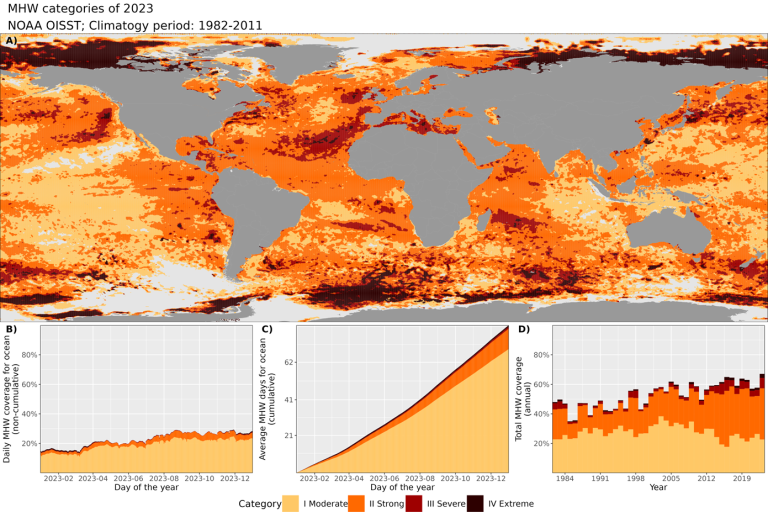
The warming witnessed in Ilulissat—where winter temperatures now frequently rise above freezing, compared to consistent -25°C (-13°F) lows in the 1980s—is part of a disproportionate Arctic warming trend. The region is heating at three to four times the global average. This local thaw has global consequences. The nearby Sermeq Kujalleq glacier, one of the world's most active, has retreated approximately 40 kilometers (25 miles) in recent decades. As it calves icebergs at an accelerated rate, it becomes a significant contributor to rising sea levels worldwide. The melting is exacerbated by pollutants like black carbon from increased ship traffic, which darkens the ice surface and accelerates heat absorption.
Cultural Resilience and a Call for Awareness
Faced with this existential threat, Greenlanders demonstrate resilience while advocating for global awareness. Kristensen, who now operates a tourism business, uses his platform to educate visitors, equating the importance of Greenland's ice caps to that of the Amazon rainforest. He emphasizes the critical need to educate children globally about climate change, stating that without starting with the young, "we can only destroy" nature. This perspective highlights that the fight to preserve dog sled culture is intrinsically linked to the broader battle against climate change. The cultural loss in Greenland is a tangible, human-scale indicator of an environmental crisis that affects the entire planet.
The silent, snowless hills of Ilulissat serve as a powerful warning. The erosion of Greenland's dog sled culture is a direct and deeply personal consequence of climate change, representing the loss of history, identity, and practical wisdom. Protecting this heritage requires more than local adaptation; it demands concerted global action to mitigate warming. The fate of the sled dogs and their mushers is a poignant reminder that environmental stewardship is ultimately about preserving the diverse and irreplaceable ways of life that define our world.