Read on Global News
Starmer's Mandelson Appointment: A Political Crisis Rooted in Epstein Warnings
In December 2024, British Prime Minister Keir Starmer received a stark warning about the 'reputational risk' of appointing Peter Mandelson as U.S. Ambassador due to his relationship with convicted sex offender Jeffrey Epstein. Despite this advice, Starmer proceeded with the appointment, only to fire Mandelson nine months later as new details emerged. This article examines the political fallout from the released government documents, the due diligence failures, and the ongoing crisis threatening Starmer's leadership, analyzing the intersection of political judgment, personal associations, and public accountability.
The appointment of Peter Mandelson as U.S. Ambassador by Prime Minister Keir Starmer has erupted into a full-scale political crisis for the British government. Documents released in March 2026 reveal that officials explicitly warned Starmer of significant "reputational risk" associated with Mandelson's longstanding relationship with convicted sex offender Jeffrey Epstein. This article delves into the sequence of events, the content of the warnings, and the profound consequences for Starmer's administration, exploring how a single personnel decision can unravel political capital and public trust.
The Initial Warning and Appointment
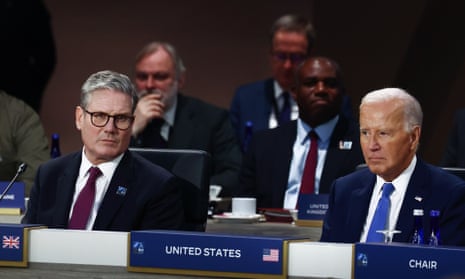
In December 2024, as Prime Minister Keir Starmer was considering key diplomatic appointments for the start of Donald Trump's anticipated second term, a critical document landed on his desk. The advice, summarized from the head of the civil service, outlined Peter Mandelson's two-decade relationship with Jeffrey Epstein. It specifically noted that "Mandelson reportedly stayed in Epstein’s house while he was in jail in June 2009" for sexual offenses involving a minor. The document, as reported by The Associated Press and published on Global News, framed this association as a clear "reputational risk" to the government should Mandelson be appointed to the sensitive role of U.S. Ambassador.
Despite this explicit warning, Starmer proceeded with the appointment. Mandelson, a former Cabinet minister and elder statesman of the Labour Party, was seen as politically vital for establishing a good relationship with the Trump administration. The decision reflected a calculated risk, weighing Mandelson's political connections and experience against the known baggage of his Epstein association and other past controversies, including his two previous resignations from government over financial matters and his work at the lobbying firm Global Counsel.
The Unraveling and Political Fallout
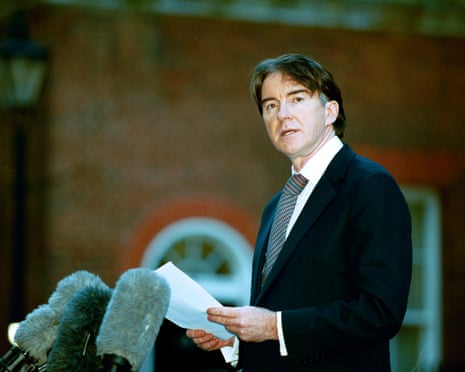
The appointment lasted only nine months. Starmer fired Mandelson in September 2025 after an initial release of documents showed Mandelson had maintained contact with Epstein after the financier's 2008 conviction. The crisis deepened dramatically in January 2026 with the publication of a massive trove of files by the U.S. Department of Justice. These files suggested Mandelson had sent market-sensitive UK government information to Epstein while serving as Business Secretary after the 2008 financial crisis, including an internal report on raising money by selling government assets. He also reportedly told Epstein he would lobby the government to reduce a tax on bankers' bonuses.
Facing intense pressure, Starmer's government was forced by lawmakers to disclose thousands of files related to the appointment decision. The first batch of over 140 pages was published on a government website in March 2026. Darren Jones, Chief Secretary to the Prime Minister, told the House of Commons that the initial due diligence "did not expose the depth and extent" of Mandelson's friendship with Epstein and accused Mandelson of lying to Starmer about the nature of the relationship. "Peter Mandelson should never have been afforded the privilege of representing this country," Jones stated, adding that "the prime minister deeply regrets taking him at his word. It was a mistake to do so."
Legal Investigations and Starmer's Precarious Position
The controversy has spawned multiple legal investigations. Mandelson was arrested on February 23, 2026, at his London home on suspicion of misconduct in public office. He was released without bail conditions as the police investigation continues. He has denied wrongdoing and faces no allegations of sexual misconduct. A separate probe by the European Union’s anti-fraud office is also examining his time as the EU’s trade representative. The UK government is publishing documents in batches after review by Parliament’s Intelligence and Security Committee, with police requesting the withholding of files that could compromise their criminal investigation.
Politically, the fallout has placed Keir Starmer's future in jeopardy. The revelations from the Epstein files drove political opponents and even some members of his own Labour Party to call for his resignation. While Starmer survived the immediate danger—emphasizing that he never met Epstein and is not implicated in his crimes—his position remains fragile. He has publicly apologized to Epstein’s victims and expressed regret for "having believed Mandelson’s lies." The episode has become a defining crisis of judgment for his premiership, undermining public confidence and dominating the political agenda.
Conclusion: A Crisis of Judgment and Accountability
The Mandelson appointment saga serves as a stark case study in political risk management and the consequences of ignoring explicit warnings. The documents show that the Starmer government was aware of the red flags associated with Mandelson's past but proceeded based on perceived political necessity. The subsequent revelations have triggered a police investigation, parliamentary scrutiny, and a severe erosion of trust in the Prime Minister's judgment. The crisis underscores the enduring political toxicity of associations with Jeffrey Epstein and highlights the critical importance of robust, transparent due diligence for high-level appointments. For Keir Starmer, recovering from this self-inflicted wound will require demonstrating a renewed commitment to accountability and a more rigorous vetting process, as the released documents continue to shape the political landscape and public perception of his leadership.