US Defense Chief's Prayer for Troops in Iran Conflict Sparks Debate on Religious Rhetoric
Secretary of War Pete Hegseth concluded a Pentagon briefing on the Iran conflict with a prayer for US troops, asking for strength and protection. This action has drawn criticism from observers who suggest American and Israeli officials are framing the military campaign in religious terms. The incident raises questions about the intersection of military strategy, political messaging, and religious language in international conflicts.
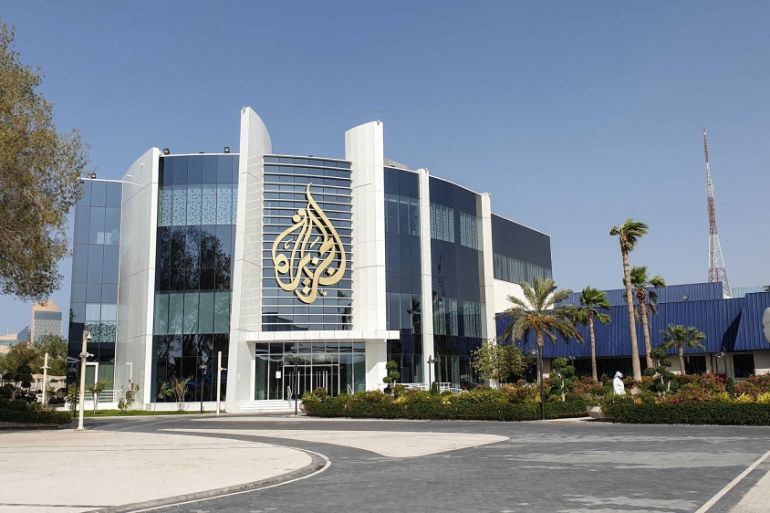
The intersection of military operations and religious language has emerged as a contentious issue in the ongoing conflict between the United States and Iran. During a recent Pentagon briefing, Secretary of War Pete Hegseth concluded his remarks by reciting a prayer for US troops engaged in operations against Iran, specifically asking for divine strength and protection for American forces. This action, as reported by Al Jazeera, has sparked significant debate about the appropriate role of religious rhetoric in military communications and international conflicts.
The Pentagon Briefing Incident
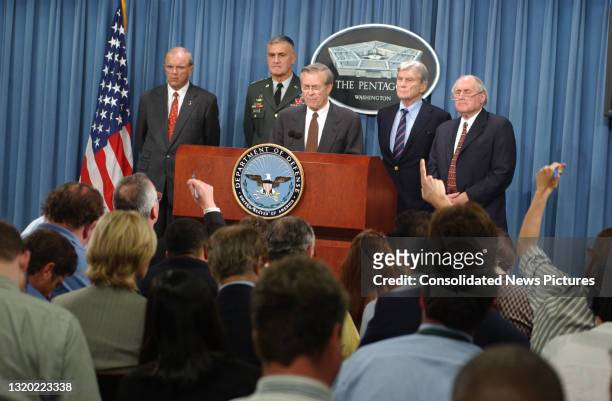
According to the Al Jazeera report from March 10, 2026, Secretary Hegseth's prayer occurred during what was described as a "war briefing" on the Iran conflict. The Secretary's decision to incorporate religious language into an official military briefing represents a departure from traditional Pentagon communication protocols, which typically maintain a clear separation between military strategy discussions and religious expressions. The specific content of the prayer focused on requesting divine protection and strength for American troops engaged in operations against Iranian targets.
Criticism and Concerns
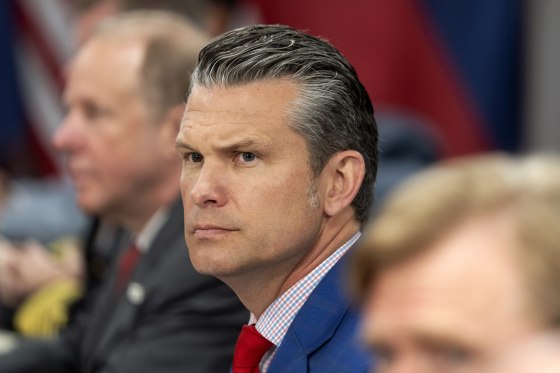
The Al Jazeera report indicates that both American and Israeli officials have faced criticism for employing rhetoric that suggests the campaign against Iran is fundamentally a religious conflict. This framing raises significant concerns among diplomatic observers and military analysts who worry that religious language could escalate tensions and complicate international relations. Critics argue that characterizing military operations in religious terms may undermine diplomatic efforts and potentially fuel sectarian divisions in an already volatile region.
Broader Implications for Military Communication
The incident highlights ongoing debates about the appropriate boundaries for religious expression in official military contexts. Military communications traditionally emphasize strategic objectives, operational details, and geopolitical considerations rather than religious framing. The incorporation of prayer into an official briefing represents a significant shift that could influence how future conflicts are publicly discussed and perceived both domestically and internationally. This development raises questions about whether this represents an isolated incident or indicates a broader trend toward incorporating religious language into military and political discourse surrounding international conflicts.
Regional and International Reactions
While the Al Jazeera report focuses primarily on the incident itself and the criticism it has generated, the use of religious language in this context likely has implications for how the conflict is perceived in the Middle East and beyond. Regional actors may interpret such rhetoric as evidence of religious motivations behind military actions, potentially complicating diplomatic relations and conflict resolution efforts. The incident occurs against the backdrop of longstanding tensions in the region and raises questions about how religious framing might affect the trajectory of the conflict and international responses to it.
Conclusion: Navigating Complex Boundaries
The Secretary of War's decision to conclude a military briefing with prayer for troops engaged in the Iran conflict represents a significant moment in the ongoing debate about religion, military operations, and political communication. While expressions of support for troops are common in military contexts, the explicit religious framing in an official briefing raises important questions about messaging, perception, and the potential consequences of blending religious language with military strategy. As conflicts continue to evolve in an increasingly interconnected world, the boundaries between religious expression, political rhetoric, and military communication will likely remain subjects of ongoing discussion and debate within both military and diplomatic circles.