 Read on cbsnews.com
Three Critical Stories: Ukrainian Survivors, Montana Land Rights, and School Shooting Aftermath
This analysis examines three compelling stories from recent news coverage: Ukrainian civilians recounting a deadly bus attack that highlights the ongoing human cost of conflict, Montana's legal battle to preserve public lands from privatization, and the haunting legacy of school shootings through the empty classrooms left behind. These diverse stories collectively reveal important societal challenges across international conflict, domestic policy, and public safety.
Recent news coverage has brought forward three distinct yet equally compelling stories that reveal critical aspects of contemporary societal challenges. From international conflict zones to domestic policy debates and the haunting legacy of school violence, these narratives collectively paint a picture of the complex issues facing communities worldwide. Each story, while unique in its context and implications, speaks to broader themes of resilience, preservation, and remembrance that resonate across different spheres of public concern.
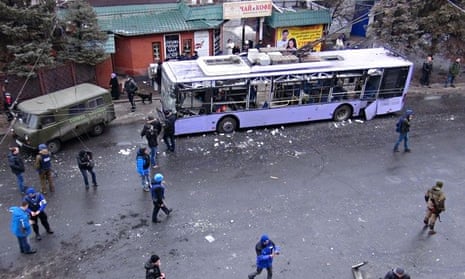
The Bus on Route 62: Ukrainian Survivors' Accounts
The first segment focuses on Ukrainian civilians who survived a deadly attack on a bus traveling Route 62. These firsthand accounts provide chilling insight into the ongoing human cost of the conflict, highlighting how ordinary citizens continue to bear the brunt of violence despite international attention waning over time. The survivors' testimonies reveal not only the immediate trauma of the attack but also the long-term psychological and physical consequences that extend far beyond the initial incident.
These narratives underscore the persistent vulnerability of civilian infrastructure in conflict zones and the challenges facing humanitarian corridors. The attack on Route 62 represents just one of many similar incidents that occur with disturbing regularity, reminding international observers that the human impact of the conflict remains severe and ongoing. The survivors' courage in sharing their stories serves as both a testament to human resilience and a call for continued international attention to the plight of civilians caught in conflict.
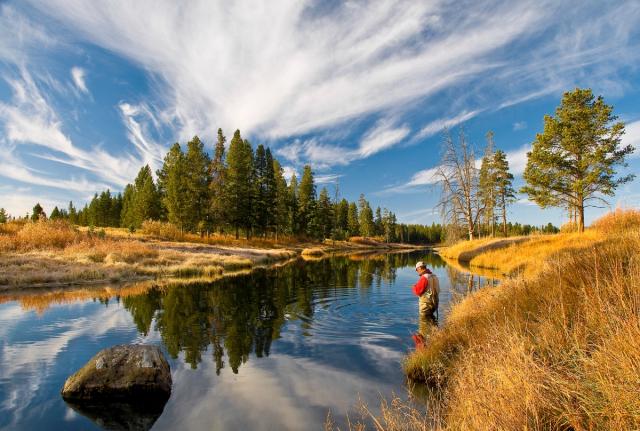
Montana's Fight for Public Lands
In domestic policy, Montana has emerged as a battleground in the ongoing debate over public land management. The state's efforts to block sales of public lands reflect a broader national conversation about conservation, access rights, and the balance between development and preservation. This legal and political struggle touches on fundamental questions about who should control natural resources and for what purposes public lands should be maintained.
The Montana case represents a significant test of state versus federal authority in land management decisions. Proponents of blocking land sales argue that public lands represent an irreplaceable heritage that should be preserved for future generations, while opponents often cite economic development potential and property rights concerns. This conflict mirrors similar debates occurring in western states where vast tracts of public land have become focal points for competing visions of land use and conservation priorities.

The Empty Rooms: Legacy of School Shootings
The third story examines the haunting spaces left behind after school shootings—classrooms and facilities that stand as silent memorials to tragedy. These empty rooms represent more than just physical spaces; they embody the ongoing trauma experienced by communities and the complex process of healing and remembrance that follows such events. The preservation or repurposing of these spaces raises difficult questions about how societies memorialize tragedy while moving forward.
These abandoned classrooms serve as powerful symbols of the broader societal impact of school violence, extending far beyond the immediate victims to affect entire communities and educational systems. The decision about what to do with these spaces—whether to preserve them as memorials, repurpose them for other uses, or demolish them entirely—reflects different approaches to processing collective trauma. Each option carries significant emotional weight for survivors, families, and communities grappling with loss and seeking paths toward healing.
Connecting Threads Across Diverse Stories
While these three stories originate from vastly different contexts, they share common themes of resilience, memory, and the ongoing struggle to protect vulnerable populations and resources. Each narrative highlights how communities respond to trauma and challenge, whether through personal testimony, legal action, or physical memorialization. Together, they offer insights into the multifaceted nature of contemporary societal issues and the various ways communities seek justice, preservation, and healing.
The coverage of these stories, as highlighted in the CBS News segment, demonstrates journalism's role in bringing diverse but equally important issues to public attention. By examining international conflict, domestic policy debates, and social trauma through these specific lenses, news organizations help audiences understand the human dimensions of complex issues that might otherwise remain abstract or distant.