
 Read on Global News
Global Oil Reserves Released: Canada Joins 31 Nations in Unprecedented Response to Iran War
In a historic move to stabilize volatile global energy markets, Canada and 31 other member nations of the International Energy Agency have agreed to release 400 million barrels of oil from their strategic reserves. This unprecedented collective action, announced in March 2026, responds directly to the severe supply disruption caused by the war in Iran, which has effectively closed the critical Strait of Hormuz shipping route. The coordinated release represents the largest emergency stock action since the IEA's founding in 1974, aiming to prevent oil prices from spiraling as regional production plummets to less than 10% of pre-conflict levels.
In an extraordinary display of international coordination, Canada and 31 other nations have taken decisive action to address a mounting global energy crisis. The International Energy Agency (IEA) announced in March 2026 that its member countries would collectively release 400 million barrels of oil from their strategic petroleum reserves. This unprecedented move comes as the war in Iran has severely disrupted one of the world's most vital oil shipping corridors, threatening economic stability and energy security worldwide.

The Unprecedented Scale of the Response
The IEA, founded in 1974 in response to the oil crisis of that era, has coordinated emergency stock releases only five times in its history prior to this announcement. The current release of 400 million barrels represents the largest collective action ever undertaken by the organization. According to the IEA's statement, this decision followed an emergency meeting to assess market conditions amid the Middle East conflict and consider options to address supply disruptions.
IEA Executive Director Fatih Birol emphasized the global nature of the challenge in the agency's release, stating, "The oil market challenges we are facing are unprecedented in scale, therefore I am very glad that IEA Member countries have responded with an emergency collective action of unprecedented size." He further noted that "energy security is the founding mandate of the IEA," highlighting the solidarity shown by member nations in taking decisive action together.
The Strait of Hormuz Crisis
The catalyst for this historic intervention is Iran's effective closure of the Strait of Hormuz, a narrow channel separating the Persian Gulf from global shipping routes. This strategic waterway typically handles 20 to 25 percent of the world's oil supply, making it one of the most critical energy transit points on the planet. The conflict that began on February 28, 2026, has reduced export volumes of crude and refined products through the strait to less than 10 percent of pre-conflict levels.

This dramatic reduction has forced operators across the region to shut in or curtail substantial production capacity. The IEA noted that the situation is "forcing operators across the region to shut in or curtail a substantial amount of production," creating a supply shortfall that threatens to send oil prices to unsustainable levels. An Iranian military spokesperson warned that prices could reach US$200 per barrel if the conflict continues unabated.
Market Impact and Price Volatility
The announcement comes amid extreme volatility in global oil markets. Prices surged to nearly $120 per barrel on March 9, 2026, before cooling slightly to just below $90 by the time of the IEA announcement. This represents a significant increase from approximately $64 in the days before the conflict began. The coordinated reserve release aims to provide a buffer against further price spikes while the geopolitical situation remains unstable.
Canadian Finance Minister François-Philippe Champagne acknowledged the market volatility in comments to reporters, stating, "It's very volatile. What we're all ensuring is that there would be a sufficient stock, obviously, to meet the demand." He indicated that further consultation would occur before taking additional actions to calm oil market concerns.
Strategic Reserve Capacity
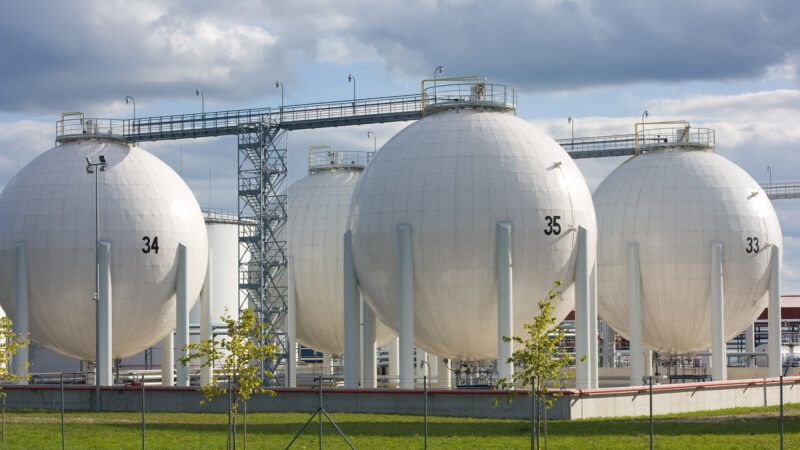
The IEA member countries maintain substantial emergency stockpiles precisely for such crises. According to the agency, members hold emergency stockpiles of more than 1.2 billion barrels of oil, with an additional 600 million barrels of industry stocks held under government obligation. The release of 400 million barrels represents approximately one-third of the government-controlled emergency reserves, demonstrating the seriousness with which member nations view the current supply disruption.
The IEA has committed to continuing close monitoring of global oil and gas markets and will provide further recommendations to member governments as needed. This ongoing assessment will be crucial as the conflict evolves and its impact on global energy markets becomes clearer.
Global Implications and Future Outlook
This coordinated action represents more than just a market intervention—it signals a renewed commitment to collective energy security in an increasingly volatile geopolitical landscape. The willingness of 32 nations, including Canada, to deploy such a significant portion of their strategic reserves demonstrates recognition that energy security challenges require global solutions.
The effectiveness of this intervention will depend on multiple factors, including the duration of the conflict, the ability to restore shipping through the Strait of Hormuz, and broader geopolitical developments. What remains clear is that the international community has recognized the severity of the threat to global energy stability and has taken unprecedented steps to address it through coordinated action.


/dq/media/media_files/2024/10/23/Be5BH7dOooLeTf2cQcjX.png)