Read on France 24
The Coming 'Complete Reset': How the Iran War is Reshaping the Gulf Region
The ongoing conflict involving Iranian drone and missile strikes is poised to fundamentally transform the geopolitical and social landscape of the Gulf region. According to analysis from Doha, the aftermath will trigger a comprehensive reassessment of security alliances, the presence of foreign military assets, and the very appeal of the region for residents and investors. This article explores the impending 'complete reset' and its potential ramifications for regional stability and global interests.
The persistent conflict characterized by relentless Iranian drone and missile strikes is not just another chapter in the Middle East's turbulent history; it is a catalyst for profound, structural change. Reporting from Doha, FRANCE 24 journalist Hoda Abdel-Hamid has framed the anticipated outcome as nothing less than "a complete reset of the region at the end of this war." This reset promises to recalibrate military postures, economic calculations, and demographic flows, reshaping the Gulf Cooperation Council (GCC) states in ways that will resonate globally.
The Military and Strategic Reassessment
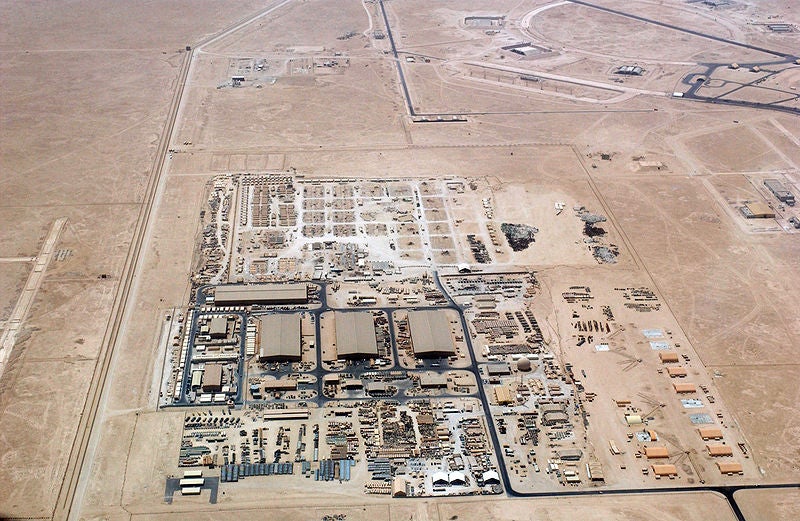
The most immediate facet of the coming reset involves regional security architecture. For decades, the security paradigm for Gulf nations like Saudi Arabia, Qatar, Kuwait, and the UAE has been underpinned by a strategic partnership with the United States. This includes hosting critical US military assets, from naval bases to air force installations. However, the demonstrated potency of Iranian missile and drone capabilities, capable of striking across the region, is forcing a fundamental rethink.
As Abdel-Hamid notes, the war necessitates "rethinking the need or use of the US assets around the region." Gulf states are confronted with a difficult calculus: does the visible presence of a superpower ally deter aggression or make them a target? The reset may involve a diversification of security partners, increased investment in indigenous defense capabilities, or a new regional dialogue on collective security that includes uncomfortable negotiations with Iran. The very premise of external security guarantees is now under intense scrutiny.
The Socio-Economic and Demographic Shift
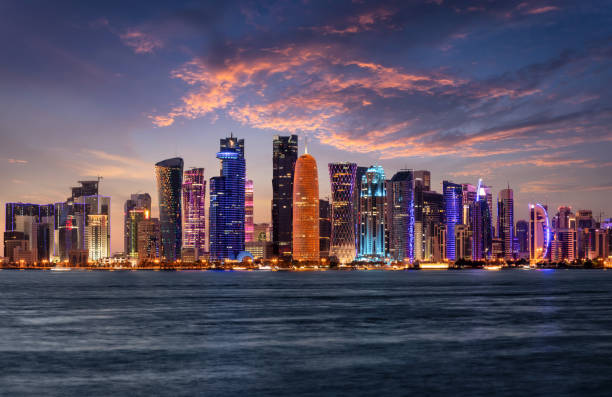
Beyond the military sphere, the reset extends to the socio-economic fabric of the Gulf. These nations have built their modern identities on being hubs for global business, tourism, and expatriate talent. Cities like Dubai, Doha, and Abu Dhabi have marketed themselves as stable, futuristic oases. A prolonged conflict shatters this perception of inviolability.
The journalist highlights that people are now "thinking about moving or not" to the area. This single consideration threatens a core pillar of the Gulf economic model. If multinational corporations relocate regional headquarters, if skilled expatriates choose safer destinations, and if tourism dwindles, the economic consequences could be severe. The reset may force Gulf nations to accelerate economic diversification plans away from oil and real estate, while also investing heavily in narratives and infrastructures that rebuild confidence in long-term stability.
Implications for Regional and Global Order
The cumulative effect of these shifts points toward a more independent, possibly more fragmented, and certainly more cautious Gulf region. The reset implies a move away from unquestioned alignment with Western foreign policy. We may see Gulf states adopting more nuanced, non-aligned positions on global issues as they prioritize direct regional security concerns. This could complicate international efforts on everything from energy market stability to broader diplomatic initiatives in the Middle East.
Furthermore, the reset creates space for other global powers—such as China, Russia, or India—to expand their diplomatic and economic influence in the region, offering alternative partnerships less entangled in the current conflict. The end of this war won't simply return things to the status quo ante; it will establish a new, uncertain normal where the rules of engagement and alliance are rewritten from the ground up.

In conclusion, Hoda Abdel-Hamid's analysis from Doha serves as a crucial warning. The "complete reset" is not hyperbole but a logical outcome of a conflict that has exposed fundamental vulnerabilities. The Gulf region stands at a crossroads, facing decisions that will redefine its security dependencies, its economic appeal, and its role in the world. The end of the war will mark not an end to challenges, but the beginning of a complex and protracted period of rebuilding and redefinition for every nation in the Gulf.