Read on France 24
Trump's Sanctions Dilemma: How Oil Shortages, Not Policy Shifts, Could Boost Russian War Financing
US President Donald Trump's consideration of lifting oil sanctions to control energy prices presents a complex geopolitical dilemma, with critics arguing it would directly benefit Russia's war effort in Ukraine. However, expert analysis suggests that the current sanctions regime has had limited success in curbing Russian oil exports. According to Sergey Vakulenko of the Carnegie Russia Eurasia Centre, a looming global crude shortage poses a far greater risk of inadvertently boosting Moscow's energy revenues than any potential policy reversal in Washington. This article examines the dynamics of energy markets, sanctions efficacy, and the unintended consequences of supply constraints on Russian war financing.
The global energy landscape is once again at the center of geopolitical tension, as US President Donald Trump's reported consideration of lifting oil sanctions to curb rising prices sparks debate over the unintended consequences for Russia's war in Ukraine. While the potential policy shift is framed as a measure to protect consumers from energy cost inflation, analysts warn it could provide a significant financial lifeline to Moscow. However, a deeper examination reveals a more nuanced reality: existing sanctions have proven porous, and the true catalyst for increased Russian revenue may not be policy leniency but a fundamental shortage of crude oil on the global market.

The Sanctions Paradox: Limited Impact on Russian Exports
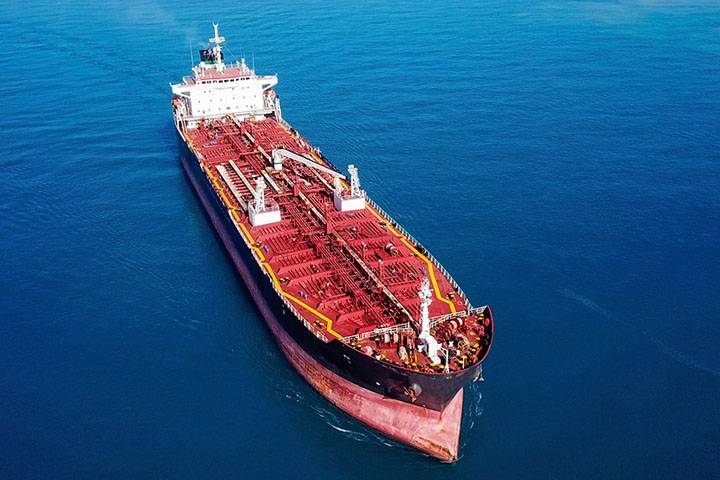
Since the full-scale invasion of Ukraine in 2022, Western nations have implemented a complex web of sanctions targeting Russia's energy sector, including price caps on seaborne crude and restrictions on maritime services. The stated goal has been to constrict the Kremlin's primary source of revenue for its military campaign. Yet, according to Sergey Vakulenko, a Senior Fellow at the Carnegie Russia Eurasia Centre, these measures have achieved only partial success. In an interview with FRANCE 24, Vakulenko explained that Russia has adeptly navigated these restrictions by establishing a "shadow fleet" of tankers, finding alternative insurers, and rerouting exports to compliant buyers in Asia, particularly India and China. This resilience has allowed Russian oil to continue flowing, albeit at sometimes discounted prices, but the volume of exports has remained surprisingly robust.
The Real Threat: A Global Crude Shortage
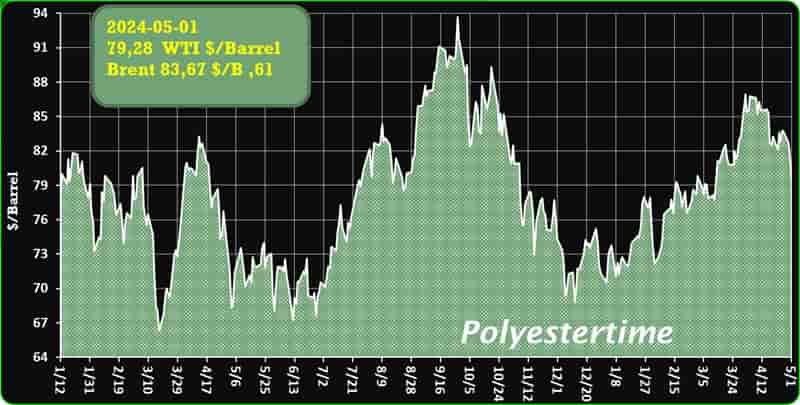
Vakulenko argues that a more potent threat to the sanctions' objective lies not in their removal, but in a tightening global oil supply. Geopolitical instability in the Middle East, particularly conflicts involving Iran, can disrupt shipping through critical chokepoints like the Strait of Hormuz. Furthermore, coordinated production cuts by OPEC+ nations, of which Russia is a key member, are designed to prop up prices by limiting supply. A significant physical shortage of crude on the market would inevitably drive prices upward. In such a scenario, even discounted Russian oil becomes a highly sought-after commodity. Buyers, desperate to secure supply, would be less concerned with price caps or sanctions compliance, potentially allowing Moscow to sell larger volumes at higher effective prices, thereby boosting its war chest substantially.
Policy Implications and Strategic Calculations
President Trump's deliberation highlights the inherent tension between domestic economic priorities and foreign policy goals. Lifting sanctions could provide immediate, albeit temporary, relief at the gas pump for American consumers, a politically popular move. However, it would also undermine the united Western front against Russian aggression and signal a willingness to prioritize economic comfort over strategic containment. The expert view presented by Vakulenko suggests that such a move might be less consequential than feared for Russian finances, but it would carry a heavy symbolic cost, fracturing international solidarity. A more effective strategy, therefore, may involve doubling down on enforcement of existing sanctions while simultaneously working to stabilize global energy supplies through diplomatic engagement with other major producers to prevent the shortages that truly empower Moscow.
Conclusion: Navigating a Volatile Energy Future
The interplay between energy security, economic policy, and geopolitical conflict remains intensely complex. The discussion around lifting oil sanctions on Russia underscores that policy decisions are rarely binary. While the removal of restrictions would be a clear political win for the Kremlin, the structural factors of the global oil market—particularly the risk of supply shortages—pose a more insidious and potentially larger boost to Russian war financing. The path forward requires a balanced approach that maintains pressure on Moscow through robust sanctions enforcement while proactively addressing the underlying market vulnerabilities that could inadvertently fill its coffers. The stability of both energy prices and global security may depend on this delicate equilibrium.