Trump Leaves Door Open to Potential US Seizure of Iranian Oil
In recent remarks, former President Donald Trump has declined to rule out the possibility of the United States seizing Iranian oil resources. While stating it was 'too soon to discuss' such a move, his comments have sparked immediate market reactions and raised significant questions about the future of US-Iran relations and global energy security. This article examines the context of these statements, their potential geopolitical implications, and the immediate economic consequences observed in global oil markets.
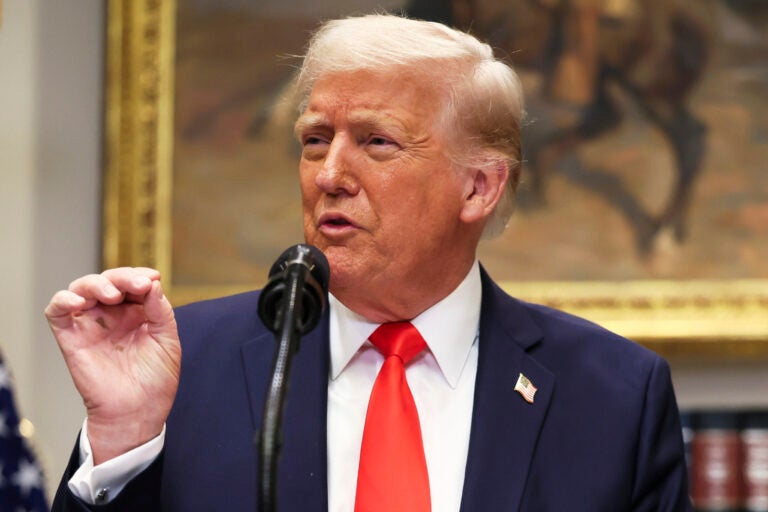
In a statement that has sent ripples through international diplomacy and energy markets, former President Donald Trump has left open the possibility of the United States taking control of Iranian oil. During an interview, Trump acknowledged that the idea had been discussed, stating, "Certainly, people have talked about it," but added that it was "too soon to talk about that." These remarks, reported by CGTN, come amidst heightened tensions and a joint US-Israel military campaign against Iran, immediately impacting global oil prices.
The Context of the Remarks
Trump's comments were made against a backdrop of escalating conflict. The report notes that Washington is pressing ahead with a joint military campaign with Israel against Iran. This geopolitical friction provides the immediate context for discussions about resource control. The concept of seizing another nation's sovereign resources is a drastic measure, typically associated with wartime or severe international sanctions regimes. By not dismissing the idea outright, Trump has introduced a significant element of uncertainty into an already volatile situation.
Immediate Market Reaction
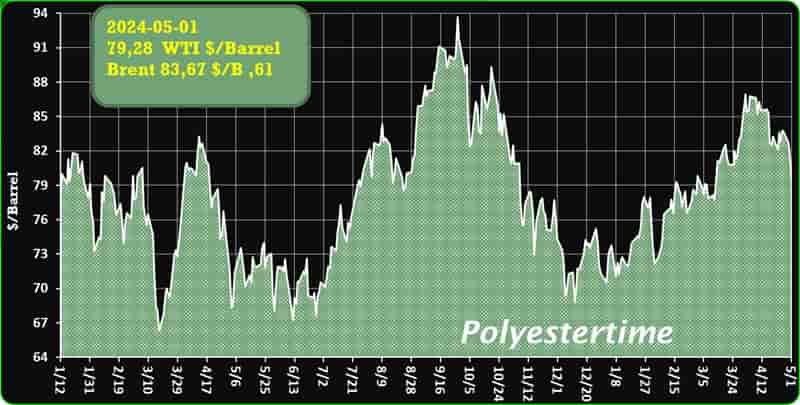
The financial markets responded swiftly to the heightened geopolitical risk. According to the referenced report, oil prices rose to nearly $120 a barrel on the day of Trump's comments, driven by fears of a prolonged supply disruption. This price surge underscores the market's sensitivity to any threat against Iranian oil exports. Iran holds some of the world's largest proven oil reserves, and any action that could remove its supply from the global market—whether through seizure, blockade, or intensified conflict—creates immediate upward pressure on prices, affecting economies worldwide.
Geopolitical and Legal Implications
The suggestion of seizing a nation's natural resources raises profound questions under international law. Such an act would likely be viewed as a violation of national sovereignty and could set a dangerous precedent. It would represent a significant escalation beyond sanctions or diplomatic pressure, potentially justifying retaliatory measures from Iran and drawing condemnation from other global powers. The move would also test the limits of international legal frameworks governing state behavior during conflict and the treatment of sovereign assets.
Strategic Calculus and Regional Stability
From a strategic perspective, controlling Iranian oil could be seen by some proponents as a way to cripple the Iranian government's primary source of revenue, thereby weakening its military and geopolitical capabilities. However, this approach carries immense risks. It could further destabilize the already tense Middle East, provoke a wider regional conflict, and trigger asymmetric responses from Iran and its allied militias across the region. The potential for escalation makes this one of the most high-stakes geopolitical gambits imaginable.
Conclusion: A Statement with Far-Reaching Consequences
While President Trump characterized the discussion as premature, his refusal to rule out seizing Iranian oil has had immediate and tangible effects. It has injected a new layer of risk into global energy markets and signaled a potential hardening of US posture towards Iran. Whether this remains rhetorical or evolves into policy will depend on the trajectory of the ongoing conflict and the broader strategic decisions of US leadership. For now, the world watches as a mere suggestion continues to influence diplomacy, conflict, and the price of energy for consumers across the globe.