Iraq's Precarious Position in the US-Israel War on Iran
Iraq has become a direct battleground in the expanding US-Israel conflict with Iran, facing attacks from both Tehran-backed militias and American forces. The country's fragmented political and security landscape, with factions aligned to competing external powers, leaves it uniquely vulnerable. This analysis explores why Iraq, long a proxy arena, is caught in the crossfire, hosting key US assets while Iranian influence runs deep within its security architecture, undermining its sovereignty and stability.
Iraq finds itself in an increasingly perilous position, directly impacted by the escalating conflict between the United States, Israel, and Iran. As attacks crisscross its territory, the nation's sovereignty is being violated from multiple directions, highlighting its role as a persistent proxy battleground. This article examines the dynamics dragging Iraq into the conflict, the nature of the attacks it endures, and the underlying structural vulnerabilities that prevent it from escaping the crossfire.

The Onset of Attacks in Iraq
The conflict reached Iraqi soil almost immediately. According to reports, within hours of the initial US-Israeli strikes on Iran, assets belonging to the United States located in Iraq's semi-autonomous Kurdish region came under retaliatory fire from groups backed by Tehran. This rapid escalation signalled that Iraq would not be a bystander. Iraqi Foreign Minister Fuad Hussein explicitly stated the country's predicament, noting that Iraq is facing attacks from "both sides of the conflict," a sentiment he expressed during a news conference in Baghdad. This dual-pressure scenario has defined the security situation in the country over the past weeks.
Nature and Targets of Recent Strikes
The attacks have been frequent and varied, utilising drones, rockets, and missiles. Key diplomatic and military facilities have been struck. For instance, a suicide drone was intercepted near the US Consulate in Erbil, with loud explosions reported in the area. In a separate incident, a drone attack struck a key US diplomatic support centre near Baghdad International Airport, a logistical hub for American diplomats. Reports indicated that six drones were launched, with one hitting the facility. Iran's Revolutionary Guard Corps (IRGC) has publicly claimed responsibility for strikes, such as targeting the US headquarters at Al-Harir Air Base in the Kurdistan region with five missiles. Concurrently, Iran-backed Iraqi militias have reported casualties from what they describe as US airstrikes on their positions.

US Military Presence and Iranian Influence
Iraq's vulnerability stems from the significant, yet reduced, US military footprint and the deeply entrenched influence of Iran. The US maintains a presence at several key bases, including Ain al-Asad Air Base in Anbar province and Erbil Air Base in the Kurdish region. These sites support training, intelligence, and logistical coordination. As of early 2026, approximately 2,500 US troops were in the country. On the other side, Iran's influence is not merely external. Following the 2003 US-led invasion, Tehran deepened its support for Shia political parties and armed groups. Many of these groups, such as Kataib Hezbollah, were later formalised into the state-sanctioned Popular Mobilisation Forces (PMF) that helped defeat ISIL (ISIS). Thousands of their members have been absorbed into Iraq's official security institutions, creating a powerful network aligned with Tehran's interests.
Why Iraq is Uniquely Exposed
Experts point to Iraq's fragmented sovereignty as the core reason for its exposure. Renad Mansour of Chatham House explains that different parts of Iraq's political and security landscape are aligned with competing external powers: the US and Iran. This fragmentation means there is no single, coherent foreign policy, and Baghdad's capacity to protest violations of its sovereignty is limited by the influence of informal militia networks. Burcu Ozcelik of RUSI adds that for Iran, Iraq is the primary theatre to pressure US interests cost-effectively. Pro-Iran groups under the "Islamic Resistance in Iraq" banner carry out asymmetric attacks on US assets. Furthermore, targeting the Kurdish region undermines its reputation for stability and pressures Iranian Kurdish opposition groups based there. Unlike other affected countries like Lebanon or Jordan, Iranian influence in Iraq is both deep and institutionalised, making disengagement nearly impossible.
Sovereignty Under Siege and Regional Implications
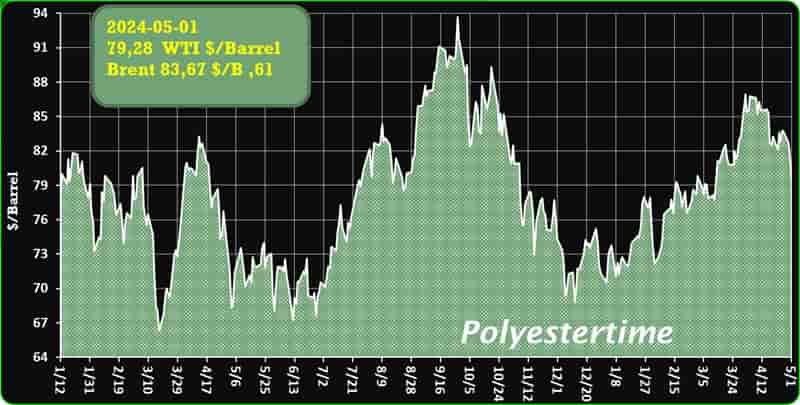
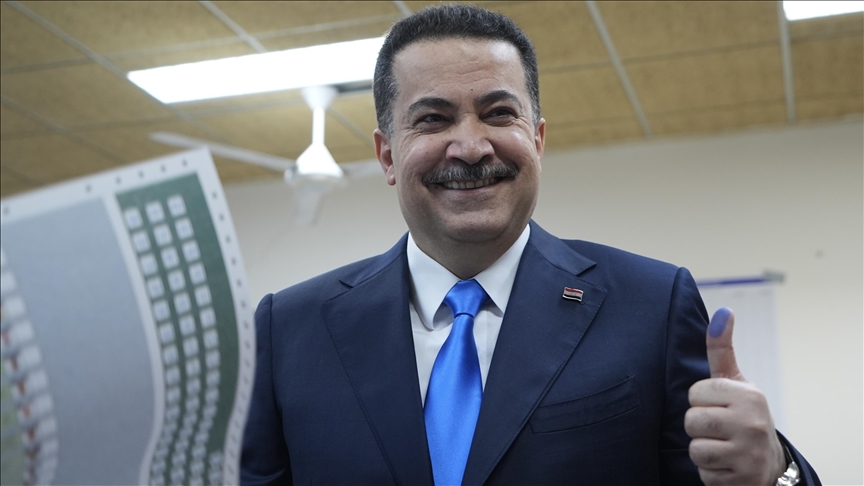
The constant attacks have severe implications for Iraq's sovereignty and regional stability. Prime Minister Mohammed Shia al-Sudani told US Secretary of State Marco Rubio that Iraq should not be used as a launchpad for attacks. However, the reality on the ground contradicts this plea. The conflict has expanded beyond military targets to include oilfields and energy facilities, contributing to volatile global oil prices. The situation also risks inflaming internal sectarian and ethnic tensions, particularly between the central government and the Kurdish region. As long as the broader US-Iran confrontation continues, Iraq's structural vulnerabilities ensure it will remain in the crossfire, suffering the consequences of a proxy war it cannot control.
In conclusion, Iraq's current crisis is a direct result of its historical role as a theatre for US-Iranian rivalry and its internal political fragmentation. The attacks from all sides are a symptom of these deeper issues. For meaningful stability to return, Iraq would need to assert a unified sovereign policy—a daunting task given the entrenched power of militias and the competing interests of major external actors. Until then, the nation's territory and people will continue to bear the brunt of a regional conflict that shows no signs of abating.