Tragic Landslide at DRC Coltan Mine Kills Over 200, Including 70 Children
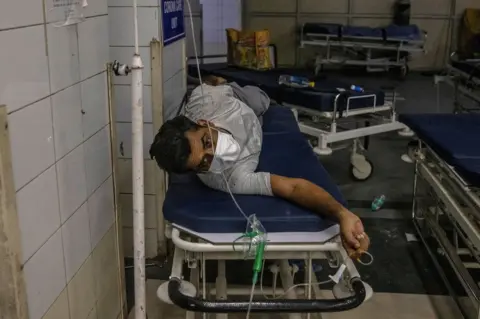
A devastating landslide triggered by heavy rains has killed more than 200 people at the Rubaya coltan mine in the eastern Democratic Republic of the Congo, according to authorities. The DRC's Ministry of Mines confirmed that approximately 70 children were among the victims, with survivors evacuated to medical facilities in Goma. The tragedy highlights the deadly risks of artisanal mining in a region that produces a significant portion of the world's coltan, a mineral essential for electronics manufacturing. Conflicting reports from rebel groups controlling the area add complexity to the incident, which follows a similar collapse at the same site just weeks earlier.
A catastrophic landslide has claimed the lives of more than 200 people at a coltan mining site in the Democratic Republic of the Congo, marking another tragic chapter in the region's long history of mining disasters. According to the DRC's Ministry of Mines, approximately 70 children were among the victims of the collapse at the Rubaya mine in North Kivu province, with injured survivors being evacuated to medical facilities in the provincial capital of Goma. This incident underscores the perilous conditions faced by artisanal miners in a region that supplies critical minerals for global technology supply chains.
The Rubaya Mine Disaster
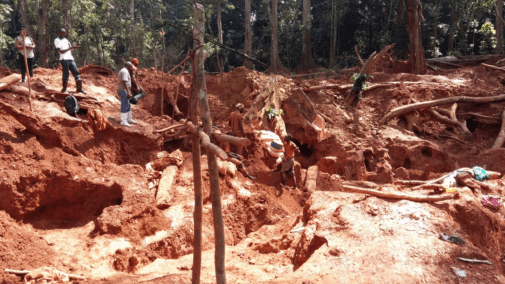
The landslide occurred at the Rubaya coltan mine in eastern DRC, an area that has been plagued by conflict and instability for decades. According to official reports from the Congolese government, the collapse was triggered by heavy rains that saturated the unstable mining terrain. The Rubaya mine is particularly significant as it produces approximately 15 percent of the world's coltan, a mineral essential for manufacturing mobile phones, computers, aerospace components, and gas turbines. The site's strategic importance has made it a focal point of both economic interest and armed conflict.
Conflicting Accounts and Rebel Control
The tragedy has been complicated by conflicting narratives from different stakeholders. While the DRC government has confirmed the death toll and attributed the disaster to natural causes, the M23 rebel group—which controls the mining area—has disputed these accounts. Fanny Kaj, a senior official with the M23 rebels, claimed that only five people had died and that the collapse was caused by "bombings" rather than a landslide. This discrepancy highlights the challenges of obtaining accurate information in conflict zones where multiple armed groups exert control over valuable mineral resources.

Pattern of Mining Disasters
This is not the first tragedy to strike the Rubaya mine. According to reports from Al Jazeera, a similar collapse at the same site in late January following heavy rainfall also killed more than 200 people. At that time, Congolese authorities blamed the incident on rebel groups, accusing them of allowing illegal mining operations without implementing adequate safety standards. The repeated disasters point to systemic failures in mining safety and regulation in conflict-affected areas where governance is fragmented and oversight is minimal.
Global Implications and Mineral Supply Chains
The tragedy at Rubaya has significant implications for global supply chains. Coltan, once processed into tantalum, is a critical component in virtually all modern electronic devices. The DRC supplies a substantial portion of the world's coltan, making mining conditions in the country a matter of international concern. Notably, the Rubaya site was recently added to a shortlist of mining assets being offered to the United States by the Congolese government under a minerals cooperation framework, according to the Al Jazeera report. This development highlights how local tragedies intersect with global economic interests.
Human Cost and Artisanal Mining
Beyond the statistics, the human cost of this disaster is staggering. The confirmation that approximately 70 children were among the victims speaks to the involvement of entire families in artisanal mining operations, often as a means of survival in economically depressed regions. Miners like Ibrahim Taluseke, who helped recover more than 200 bodies from the site, described the fear and danger that characterize daily life in these mining communities. Taluseke told The Associated Press that pit owners often discourage revealing the exact number of deaths, suggesting a pattern of underreporting and lack of accountability.

Conclusion: A Call for Accountability and Safety
The landslide at the Rubaya coltan mine represents more than just a natural disaster—it is a symptom of deeper systemic issues affecting mining regions in conflict zones. The combination of valuable mineral resources, weak governance, armed conflict, and economic desperation creates conditions where human safety is routinely sacrificed. As global demand for coltan and other critical minerals continues to grow, international consumers and corporations must consider the human cost embedded in their electronic devices. The repeated tragedies at Rubaya underscore the urgent need for improved safety standards, better regulation, and greater accountability from all stakeholders involved in the DRC's mining sector.