Arginine Shows Promise as Low-Cost Alzheimer's Treatment in New Research
Groundbreaking research from Kindai University reveals that the common amino acid arginine can significantly reduce Alzheimer's disease pathology in animal models. Oral arginine supplementation was shown to block harmful amyloid-beta aggregation, lower plaque levels in the brain, reduce inflammation, and improve behavioral outcomes in both fly and mouse models of Alzheimer's. With its established safety profile and low cost, arginine represents a promising candidate for drug repositioning that could lead to more accessible Alzheimer's therapies worldwide.
Alzheimer's disease remains one of the most challenging neurological disorders worldwide, with current treatments offering only modest benefits while carrying significant costs and potential side effects. However, new research from Kindai University in Japan reveals a surprisingly simple approach that could transform Alzheimer's treatment: the common amino acid arginine. This groundbreaking study demonstrates that oral arginine supplementation can dramatically reduce the harmful effects of Alzheimer's pathology in animal models, offering hope for a more accessible therapeutic option.
The Science Behind Arginine's Protective Effects
The research team, led by Professor Yoshitaka Nagai and graduate student Kanako Fujii, conducted comprehensive experiments to understand how arginine interacts with Alzheimer's pathology. Their initial laboratory tests demonstrated that arginine effectively slows the formation of amyloid-beta 42 aggregates in a concentration-dependent manner. This finding was particularly significant because amyloid-beta aggregation is a hallmark feature of Alzheimer's disease progression.
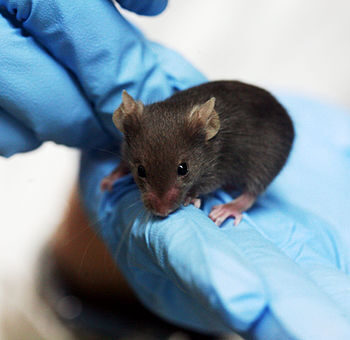
Building on these promising in vitro results, the researchers progressed to animal models, testing oral arginine in both Drosophila flies expressing amyloid-beta with the Arctic mutation and AppNL-G-F knock-in mice carrying three familial Alzheimer's mutations. In both systems, arginine treatment led to substantial reductions in amyloid-beta buildup and decreased the toxic effects typically associated with amyloid exposure.
Comprehensive Benefits Beyond Amyloid Reduction
The benefits of arginine supplementation extended well beyond simple amyloid reduction. In the mouse models, researchers observed multiple positive outcomes that suggest broader neuroprotective effects. Mice receiving oral arginine showed not only reduced amyloid plaque formation and lower insoluble amyloid-beta 42 levels in the brain but also performed significantly better in behavioral assessments.
Perhaps equally important, the treatment resulted in decreased expression of pro-inflammatory cytokine genes associated with neuroinflammation, which is increasingly recognized as a key driver of Alzheimer's progression. This anti-inflammatory effect suggests that arginine's benefits may involve multiple protective mechanisms working in concert to preserve neurological function.
Drug Repositioning Advantages
What makes arginine particularly promising as a potential Alzheimer's treatment is its established safety profile and existing clinical use. As Professor Nagai explains in the research publication, "What makes this finding exciting is that arginine is already known to be clinically safe and inexpensive, making it a highly promising candidate for repositioning as a therapeutic option for AD."
Drug repositioning offers significant advantages over traditional drug development. Since arginine is already approved for clinical use in Japan and demonstrates good brain permeability, it could potentially bypass many of the early development hurdles that typically slow the introduction of new treatments. This accelerated pathway could bring effective Alzheimer's interventions to patients much more quickly than conventional drug development timelines allow.

Future Directions and Clinical Implications
While the current findings are compelling, the research team emphasizes that additional preclinical and clinical studies are necessary to confirm whether these effects will translate to human patients and to determine appropriate dosing strategies. The researchers used specific doses and schedules designed for research purposes that don't necessarily match commercial arginine supplements currently available.
Nevertheless, the study provides strong proof of concept that basic nutritional or pharmacological supplementation could meaningfully reduce amyloid pathology and improve neurological health. The findings open new possibilities for developing arginine-based strategies not only for Alzheimer's disease but potentially for other neurodegenerative conditions caused by protein misfolding and aggregation.
This research represents a significant step toward more accessible Alzheimer's treatments that could be implemented globally. The cost-effectiveness and established safety of arginine make it particularly promising for widespread use, potentially offering hope to millions affected by Alzheimer's disease worldwide while deepening our scientific understanding of how amyloid aggregation occurs and can be prevented.