Trump Rates Iran War Success at '15 Out of 10' Amid Civilian Casualty Reports
U.S. President Donald Trump has declared the ongoing military campaign against Iran an overwhelming success, rating it '15 out of 10,' even as Iranian officials detail extensive attacks on civilian infrastructure. Pentagon officials describe an aggressive strategy of aerial dominance, while Iran accuses the U.S. of war crimes following strikes on schools and hospitals. The conflict, which began with coordinated U.S.-Israeli attacks, has resulted in significant casualties and regional destabilization, with no clear end in sight.
The United States' military campaign against Iran has entered a critical phase, marked by starkly contrasting narratives from Washington and Tehran. While U.S. leadership, including President Donald Trump, proclaims overwhelming tactical success, Iranian authorities are cataloging what they describe as systematic attacks on civilian sites, raising serious humanitarian and legal concerns. This short analysis examines the current state of the conflict through the lens of official statements and reported events.
U.S. Claims of Dominance and Success
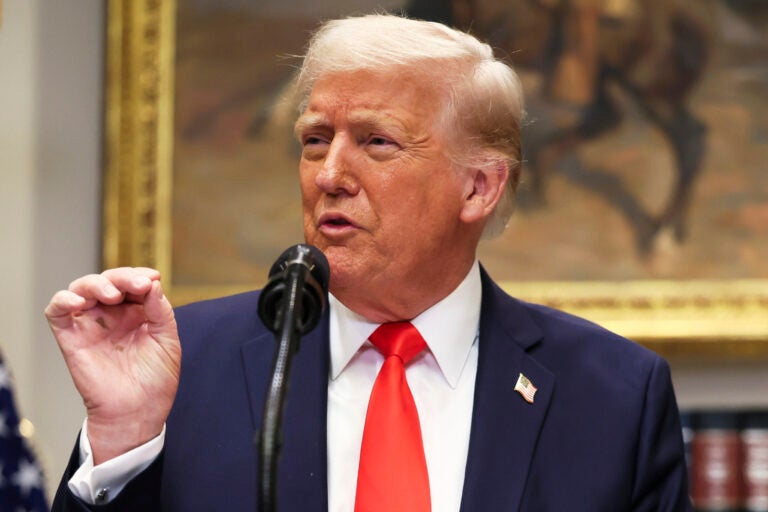
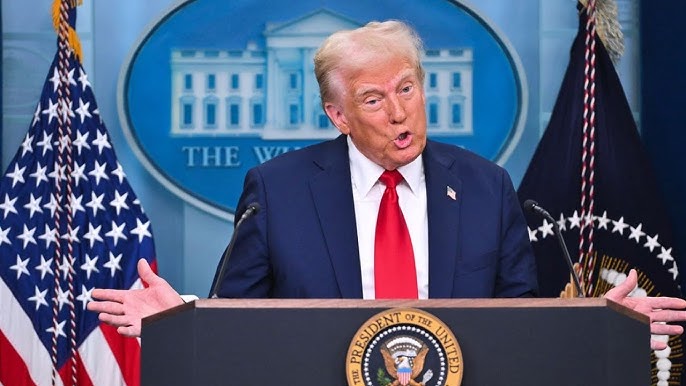
U.S. officials have adopted a tone of uncompromising confidence regarding the military offensive. In a recent statement, President Trump was asked to rate the war's success on a scale of one to ten. His response, "about 15," underscores the administration's perception of the campaign's effectiveness. This sentiment is echoed by Pentagon leadership. Defense officials, as reported by Al Jazeera, have framed the operation as an exercise in absolute aerial supremacy, designed to cripple the Iranian government "without mercy."
Pentagon chief Pete Hegseth articulated this strategy, stating that U.S. and Israeli air power controls the skies "every minute of every day," delivering "death and destruction from the sky, all day long." Hegseth explicitly noted that the conflict was "never meant to be a fair fight," characterizing U.S. actions as "punching them while they're down." White House spokeswoman Karoline Leavitt further emphasized this approach, predicting that the U.S. military would soon be "raining missiles and weapons down on Iran" on specific, pre-identified targets crucial to the campaign's objectives.
Iranian Accusations and Civilian Toll
In stark contrast to U.S. assertions of precision, Iranian officials have presented a detailed account of widespread damage to non-military targets. Foreign Ministry spokesperson Esmaeil Baghaei has accused the U.S. of committing war crimes and crimes against humanity, directly responding to Hegseth's remarks by stating that "only a NAZI mentality" could unleash such destruction. Iran has provided a list of civilian sites allegedly hit, which includes residential buildings, street markets, and medical centers.

The most devastating single incident reported occurred in the early hours of the campaign on February 28. A strike hit a girls' elementary school in the southern city of Minab, resulting in 165 fatalities, mostly children. While the U.S. Pentagon has stated it is "investigating" the Minab incident and reaffirmed that it does not target civilians, a Pentagon briefing map showed two strikes in or near the city. The total death toll in Iran since the start of the attacks has risen to at least 1,332, indicating the severe human cost of the conflict.
Strategic Stalemate and Regional Fallout
Despite the intensity of thousands of U.S. and Israeli strikes, which have eliminated key Iranian leadership including Supreme Leader Ali Khamenei, the conflict shows no signs of a decisive conclusion. The Iranian ruling structure, while damaged, remains standing with no visible internal challenge to the Islamic Republic system emerging. This points to a potential strategic stalemate where military superiority has not translated into political collapse.
Furthermore, the war has escalated into a regional crisis. Iran has been accused of retaliatory strikes against civilian targets in the Gulf region, including energy installations, hotels, and airports. Nations like Saudi Arabia have intercepted multiple drones near Riyadh, highlighting the spillover effect. The conflict has fueled mass displacement and intensified misery across the Middle East, creating a humanitarian disaster that extends far beyond Iran's borders.
Conclusion: A War of Perception
The U.S.-Iran conflict is currently a war of competing perceptions. From Washington's viewpoint, it is a demonstration of unmatched military power achieving its goals—a "15 out of 10" success. From Tehran's perspective, it is an assault characterized by brutality against civilians. The reality likely exists in the grim space between these narratives: a high-intensity aerial campaign causing significant military and civilian damage, yet failing to produce a swift political resolution. As the attacks continue and the civilian death toll mounts, the fundamental questions about the campaign's long-term objectives and the legality of its methods remain unanswered, casting a long shadow over any claims of success.