Ancient Microbes May Have Used Oxygen Long Before the Great Oxidation Event
New research from MIT suggests life on Earth may have evolved the ability to use oxygen hundreds of millions of years before the gas permanently filled the atmosphere. By tracing the evolutionary history of a key oxygen-processing enzyme, scientists found evidence that early microbes could have been consuming oxygen as soon as cyanobacteria began producing it around 2.9 billion years ago. This discovery challenges traditional timelines of aerobic respiration and offers a potential explanation for why oxygen took so long to accumulate in Earth's early atmosphere.
The story of oxygen on Earth is a tale of profound transformation. For billions of years, our planet's atmosphere was devoid of this life-sustaining gas. The dramatic shift known as the Great Oxidation Event (GOE), occurring approximately 2.3 billion years ago, marked the point when oxygen became a permanent fixture in the air, setting the stage for complex, oxygen-breathing life. However, groundbreaking research from the Massachusetts Institute of Technology (MIT) is rewriting this narrative, suggesting that life may have learned to "breathe" oxygen far earlier than previously believed.

The Great Oxygenation Mystery
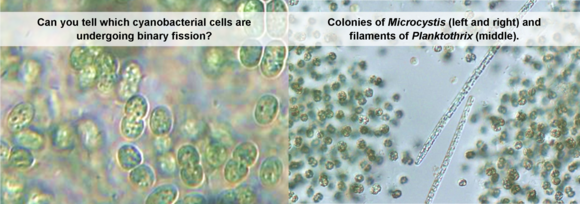
For decades, a significant puzzle has perplexed scientists studying Earth's early history. Geological evidence indicates that cyanobacteria—the first organisms capable of oxygenic photosynthesis—evolved around 2.9 billion years ago. This means they were producing oxygen for roughly 600 million years before the Great Oxidation Event. The central question has been: where did all that early oxygen go? The conventional explanation involved chemical reactions with rocks and minerals that effectively scrubbed oxygen from the environment. The new MIT study, published in Palaeogeography, Palaeoclimatology, Palaeoecology, introduces a compelling biological actor into this equation: early microbes that evolved to consume oxygen as it was produced.
Tracing the Enzyme of Aerobic Life
To investigate the possibility of early oxygen use, MIT geobiologists focused their attention on a crucial biological machine: the heme copper oxygen reductase enzyme. This enzyme is the cornerstone of aerobic respiration, the process that allows organisms from bacteria to humans to convert oxygen into usable energy. "We targeted the core of this enzyme for our analyses because that's where the reaction with oxygen is actually taking place," explains study co-author Fatima Husain, a postdoc in MIT's Department of Earth, Atmospheric and Planetary Sciences (EAPS).
A Molecular Clock Approach
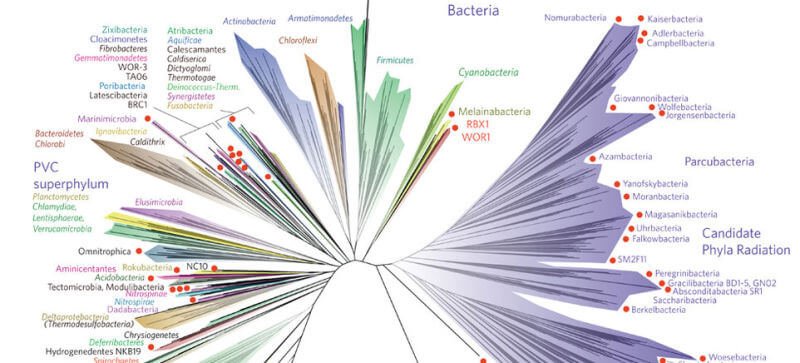
The research team employed a sophisticated molecular clock analysis. They identified the genetic sequence for the heme copper oxygen reductase and then searched through massive genomic databases containing millions of modern species. After filtering the data down to a representative sample of several thousand species, they mapped these enzyme sequences onto the evolutionary tree of life. By using known fossil ages to calibrate their timeline, the researchers could estimate when different branches of the enzyme family first emerged.
An Ancient Origin Story
The results of this extensive analysis were striking. The team traced the origins of the oxygen-using enzyme back to the Mesoarchean era, which spanned from 3.2 to 2.8 billion years ago. This places the evolution of aerobic respiration capability hundreds of millions of years before the Great Oxidation Event. The findings suggest that shortly after cyanobacteria began their photosynthetic work, other microbial life in their vicinity evolved the biochemical machinery to exploit this new chemical resource.
This discovery provides a plausible mechanism for the delayed rise of atmospheric oxygen. If communities of microbes were living in close proximity to oxygen-producing cyanobacteria, they could have rapidly consumed the oxygen as it was generated. This biological sink would have effectively prevented the gas from accumulating in the atmosphere for an extended geological period. "Our study adds to this very recently emerging story that life may have used oxygen much earlier than previously thought," says Husain. "It shows us how incredibly innovative life is at all periods in Earth's history."

Implications for Understanding Earth's History
The research, supported in part by the Research Corporation for Science Advancement, represents a significant shift in our understanding of early Earth's biogeochemistry. It paints a picture of a dynamic microbial world where evolutionary innovation kept pace with environmental change. The ability to use oxygen likely provided a substantial energetic advantage to those early microbes, driving their evolution and diversification long before the planet's atmosphere transformed.
"Considered all together, MIT research has filled in the gaps in our knowledge of how Earth's oxygenation proceeded," Husain notes. "The puzzle pieces are fitting together and really underscore how life was able to diversify and live in this new, oxygenated world." This work underscores a fundamental principle: life is not merely a passive passenger on Earth but an active participant in shaping its own environment. The delayed accumulation of oxygen may not have been solely a geochemical accident but also a consequence of biological consumption, highlighting the intricate feedback loops between life and the planet it inhabits.